What Is Backflow Prevention & Why Does Your Home Need It?
When you turn on the tap, you expect clean water every time. No second guessing. No strange smells. No risk. But what if something out of sight, deep in your plumbing, could suddenly let dirty water back into your home’s supply?
This is where backflow prevention steps in. It’s not just a fancy gadget—it’s a silent guard standing between your family and contaminated water. That’s why emergency plumbing teams like ours take it so seriously.
What Is Backflow? 🚰
Imagine you’re watering your garden, and there’s a sudden drop in city water pressure. Maybe a nearby pipe bursts. Suddenly, instead of water flowing out, it can get sucked back—pulling soil, fertilizer, or even bacteria into your clean water lines.
That’s backflow. It’s when water reverses direction, flowing the wrong way through your pipes. It’s not just an oddity. It’s a real risk, and it can happen faster than you think.
Backflow happens in two main ways:
- Backsiphonage: Like sipping through a straw, if the main water line pressure drops, contaminated water can get “slurped” backward into your home’s supply.
- Backpressure: If a pressurized system inside your home (like a boiler or irrigation pump) forces water back into the main line, it can push dirty water into places it doesn’t belong.
The U.S. Environmental Protection Agency (EPA) and most local building codes require backflow prevention for good reason. Water should always move one way: clean, straight to your faucet.
Risks of Backflow in Homes
Why should you care? Because backflow can turn a glass of safe water into a recipe for illness.
Here’s what’s at stake:
- Health Hazards: Contaminants like pesticides, sewage, or cleaning chemicals can enter your drinking water, causing stomach bugs or worse.
- Property Damage: Corrosive or dirty water can wreck appliances, stain sinks, and damage plumbing.
- Legal Compliance: Most cities—and insurers—require backflow devices in homes with sprinkler systems, boiler heating, or pools. Skipping them can mean big headaches later.
Some neighborhoods, especially those with older water mains or hillside homes, face higher risks. Places with a history of main breaks or lots of cross-connections (where hoses, irrigation, or fire sprinklers connect to drinking water) are particularly vulnerable.
Types of Backflow Devices
Backflow prevention isn’t one-size-fits-all. Devices come in several forms, each designed for specific risks.
- Air Gaps: The simplest and most fail-safe. Think of the space between your faucet and the sink rim—air gaps let water drop freely, making it impossible for dirty water to flow back up.
- Atmospheric Vacuum Breakers (AVB): These are small valves often used in garden hoses or irrigation lines.
- Pressure Vacuum Breakers (PVB): Common in sprinkler systems, these prevent backsiphonage by shutting tight when pressure drops.
- Double Check Valve Assemblies (DCVA): These use two valves in sequence for extra security. They’re found in homes with moderate risks, like fire sprinkler connections.
- Reduced Pressure Zone (RPZ) Assemblies: The gold standard for high-hazard scenarios, such as commercial kitchens or homes with chemical feed systems.
The right device depends on your setup and local code. The EPA sets guidelines, but your city’s plumbing code (and sometimes your water utility) will have specific requirements.
How and When to Test Your Backflow Device 🛠️
Backflow prevention isn’t “set it and forget it.” Devices must be tested regularly—usually once a year, sometimes more, depending on local rules.
Why test? Because over time, valves can stick, seals can wear out, and devices can fail without warning.
Typical testing schedule:
- Annual Inspection: Most cities require a yearly check by a certified technician.
- After Installation or Repairs: Any new device should be tested, as well as after pipe repair, Gas Line Installation, or major plumbing work near you.
- After Freeze Events: Cold snaps can crack devices or loosen fittings, making a post-winter check essential.
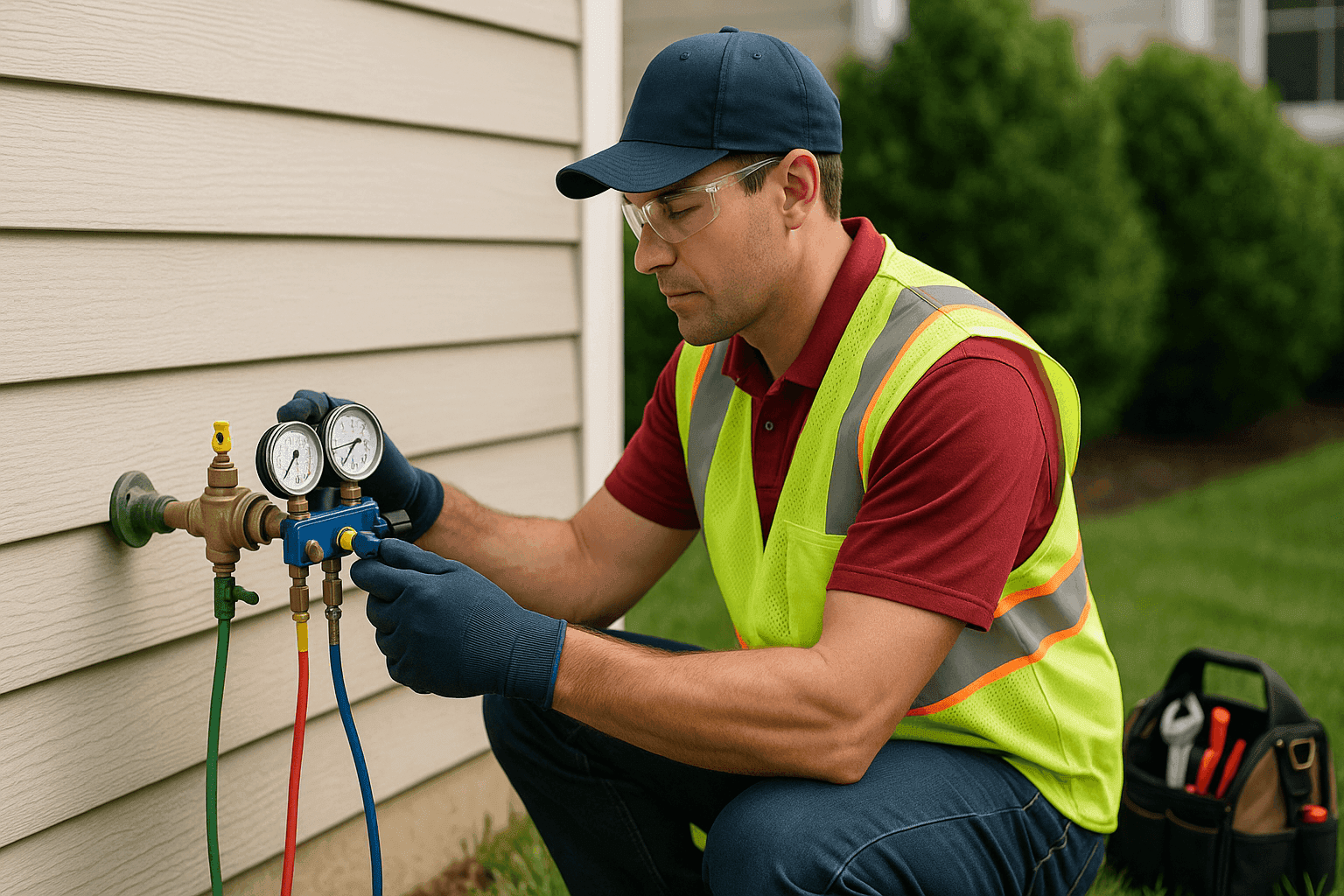
Testing is not a DIY job. Certified testers use gauges and tools to measure pressure and ensure every valve works as intended. They’ll also file paperwork with your city or water provider—a step required for legal compliance.
Quick Safety Checklist
Stay ahead of backflow risks with these simple checks:
- Know if you have a sprinkler system, pool, or boiler—these often require backflow devices.
- Check for visible devices near your main water shutoff or outdoor spigots.
- Don’t submerge hoses in buckets, pools, or ponds.
- After pipe repairs or emergency plumbing visits, ask if testing is due.
- Watch for odd smells, discoloration, or cloudy water—signs something could be wrong.
DIY vs. Call a Pro
Some plumbing jobs are weekend-friendly. Backflow prevention isn’t one of them.
What you can do:
- Inspect visible devices for leaks or signs of corrosion.
- Make sure hoses aren’t left submerged or attached to chemical sprayers without a valve.
What you should leave to a pro:
- Annual backflow testing and certification.
- Repairs to any backflow device.
- Upgrading or replacing devices to meet local code.
Attempting repairs without proper training can lead to fines, void insurance, or worse—contaminated water.
What Pros Do On Arrival
When our emergency plumbing team arrives, here’s what happens:
- Assessment: We locate and identify all backflow devices, checking for obvious leaks or damage.
- Testing: Using specialized gauges, we test each device in sequence, looking for pressure drops or failures.
- Documentation: We file testing results with your city or water provider, as required by law.
- Repairs/Upgrades: If a device fails, we explain your options and carry out repairs or replacements.
- Education: We show you how to spot early warning signs and set up reminders for future testing.
Prevention & Maintenance
A little foresight goes a long way. Here’s how to keep your plumbing safe:
- Schedule annual testing for each backflow device.
- Use air gaps on sinks, tubs, and outdoor faucets where possible.
- Never attach hoses to chemical sprayers or irrigation systems without a vacuum breaker.
- After any emergency plumbing work—especially pipe repair or Gas Line Installation near you—ask if your device should be retested.
- Keep records of testing dates and device locations.
Costs & Time Factors
How much does backflow prevention cost? It depends on your home’s setup.
- Device Installation: Ranges from a few hundred dollars for simple vacuum breakers to more for RPZ assemblies.
- Annual Testing: Usually takes 30–60 minutes per device; costs vary by region and type.
- Repairs or Replacements: Prices depend on parts and labor—older devices or hard-to-access setups may cost more.
Remember, regular maintenance is cheaper than water contamination or property damage.
When It’s an Emergency 🚨
Some signs mean you should call for emergency plumbing help right away:
- Sudden drop in water pressure, especially after a main break or fire hydrant use.
- Water that smells, looks, or tastes strange.
- Leaks or water pooling near a backflow device.
- Any notification from your city about a “boil water” advisory.
Don’t wait. Contaminated water is a health emergency.
FAQ
How do I know if my home needs a backflow prevention device?
If you have a sprinkler system, pool, boiler, or live in an area with known cross-connection risks, you likely need one. Your local plumbing code or water provider can confirm.
How often should backflow devices be tested?
Most local codes require annual testing by a certified technician. Some areas may require more frequent checks for high-risk setups.
What happens if I skip testing?
You could face fines, lose insurance coverage, or risk contaminated water. In many areas, water service can be shut off for non-compliance.
Are backflow devices required everywhere?
Requirements vary, but the EPA recommends backflow prevention for many residential setups. Most cities in the U.S. require them for irrigation, pools, and certain plumbing fixtures.
Local and Seasonal Considerations
In regions with lots of hillside homes, older neighborhoods, or frequent water main breaks, the risk of backflow is higher. Areas with cold winters should pay close attention after freeze-thaw cycles, which can damage devices.
Some cities require additional protection for homes near industrial zones or those with known cross-connection issues. Always check your city’s specific requirements and keep up with annual testing.
Backflow prevention keeps your family’s water safe—day and night. If you have questions about testing, installation, or urgent repairs, don’t wait.
Call Expert Plumbing now — or reach us anytime at 877-837-7735 .