Signs Your Water Heater Needs Repair or Replacement
When you step into the shower on a frosty morning, the last thing you want is a blast of icy water. But if your water heater isn’t doing its job, that’s exactly what you’ll get. For families in cold climates, reliable hot water isn’t just comfort—it’s essential for health and home safety.
At Expert Plumbing, we know the signs of water heater trouble. From sudden leaks to strange banging noises, these warning signs can sneak up fast. Let’s help you spot them early and know what to do next.
Top Signs Your Water Heater Needs Attention 🚨
Even the best water heaters don’t last forever. But how do you know when yours is asking for help—or ready for retirement? Here are the most common signs:
- No Hot Water: If your hot water runs cold or disappears entirely, your heater could be on its last legs. Sometimes it’s a simple fix, but it might mean the heating element or thermostat is failing.
- Strange Noises: Rumbling, popping, or banging sounds aren’t normal. Think of it like your heater’s way of crying out for attention. Sediment buildup often causes these noises and can shorten your unit’s lifespan.
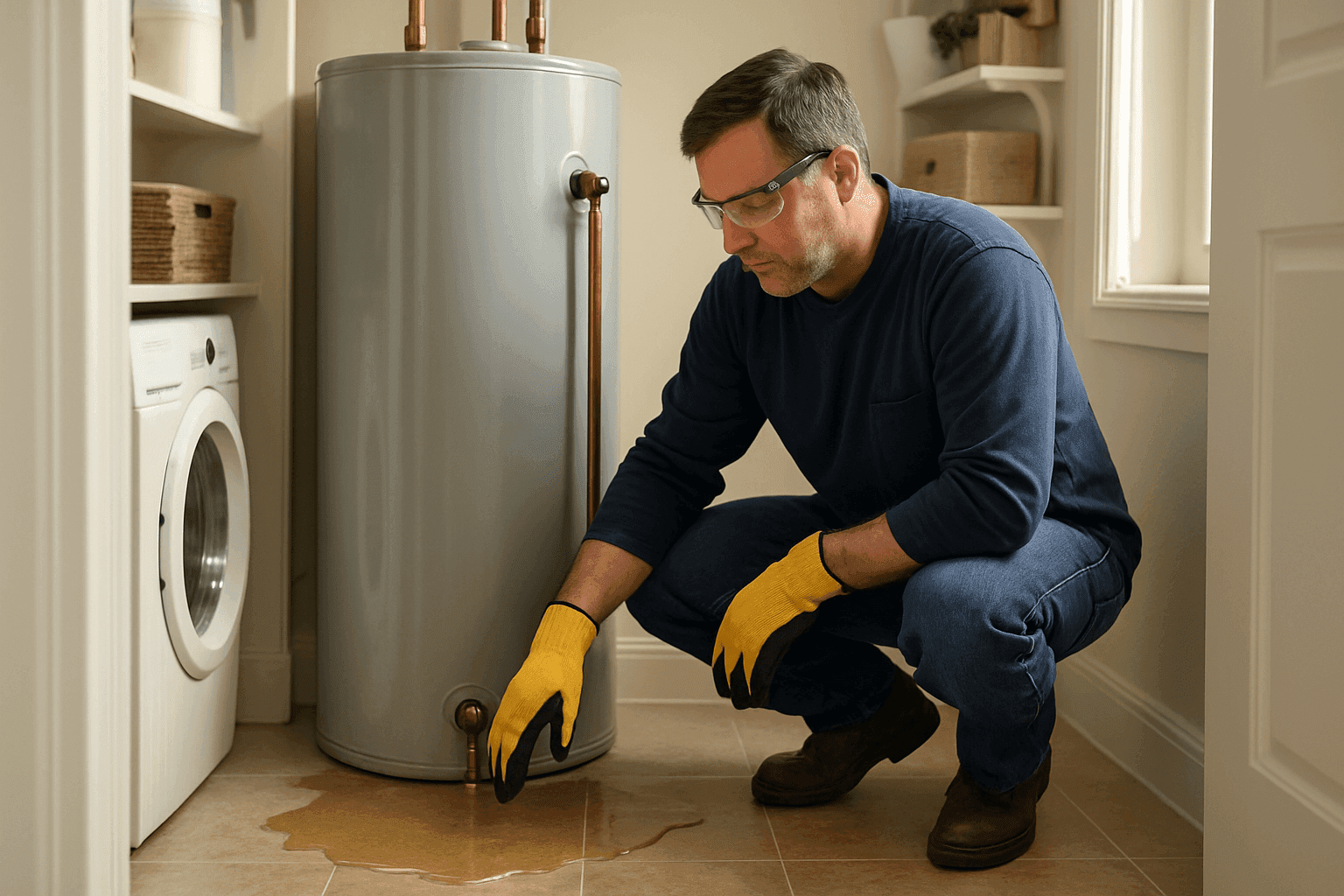
- Leaks and Puddles: Any moisture around the base of your water heater is a red flag. Small leaks can quickly grow and damage floors, walls, and nearby belongings.
- Age of Unit: Most residential water heaters last 8–12 years according to the U.S. Department of Energy. If yours is older, repairs may only be a temporary solution.
- Rusty or Discolored Water: Orange or brown water from your hot tap means corrosion inside the tank. Left unchecked, this can lead to serious leaks or total failure.
- Temperature Fluctuations: Water runs hot, then cold, then hot again? This rollercoaster ride usually signals a malfunctioning thermostat or heating element.
- Low Hot Water Pressure: Weak flow from your faucets can mean sediment or mineral buildup inside the tank or pipes.
Ignoring these signs is like ignoring the “check engine” light in your car. Problems only get worse.
Common Repairable Issues
Not every hiccup means you need a whole new heater. Here are some issues a licensed plumber can often fix:
- Heating Element Replacement: If your water isn’t as hot as it should be, a burned-out element is a likely culprit—especially for electric units.
- Thermostat Problems: Faulty thermostats can cause erratic temperatures. Adjusting or swapping out the thermostat often solves the issue.
- Sediment Flushing: Regular maintenance (flushing the tank) removes buildup, restoring both efficiency and quiet operation.
- Pipe and Valve Leaks: Sometimes, the leak isn’t from the tank itself but from a loose drain valve or corroded pipe—these can often be repaired quickly.
- Anode Rod Replacement: This part attracts corrosion, protecting the tank. Replacing a worn-out anode rod can extend your heater’s life.
When in doubt, always ask for input from a licensed plumber. They’ll inspect your system and reference manufacturer guidelines for safe repairs.
When to Replace vs. Repair
A repair might fix the problem today, but some situations call for a replacement. Here’s how to decide:
Replace Your Water Heater If:
- It’s over 10–12 years old.
- You notice rust in your hot water.
- The tank itself is leaking (not just a fitting or valve).
- Repairs are becoming frequent or costly.
- Your energy bills are rising and the unit is less efficient.
- You need a larger or more energy-efficient model for your home’s needs.
Repair Might Be Enough If:
- The problem is limited to a single part (thermostat, valve, or heating element).
- The unit is under 7–8 years old.
- There’s no sign of major corrosion or tank failure.
Tip: Newer models often offer better insulation and energy savings, which can help offset the upfront cost over time.
What to Do If It Leaks 🛠️
A leaking water heater is urgent. Here’s what to do, step by step:
- Turn Off the Power:
- Electric heater? Switch off the circuit breaker.
- Gas heater? Turn the gas supply valve to “off.”
- Shut Off the Water Supply: There’s usually a cold-water shutoff valve above the tank. Turn it clockwise to stop the flow.
- Contain the Leak: Place towels or a bucket under the leak to minimize damage.
- Don’t Touch Electrical Parts: If water is near outlets or wiring, stay clear until help arrives.
- Call Emergency Plumbing: Leaks can worsen fast, risking flood damage or mold. This is a job for professionals.
Pro Tip: Water heater leaks can also trigger gas line issues—never ignore the smell of gas. If you suspect a gas leak, leave your home and call emergency services immediately.
Energy Efficiency and Safety Concerns
Old or malfunctioning water heaters waste energy and can even become safety hazards. According to ENERGY STAR®, efficient models use up to 50% less energy. Plus, faulty heaters can cause dangerous pressure buildup or gas leaks.
Local building codes (like the International Residential Code) require specific safety devices, including pressure relief valves and proper venting. Licensed plumbers ensure your installation meets these requirements.
Risks of Delaying Water Heater Repairs
Procrastinating on repairs can turn a small issue into a disaster. Here’s what’s at stake:
- Flooding: Even a small leak can soak floors, drywall, and personal items.
- Mold Growth: Warm, damp areas are a perfect breeding ground for mold.
- Structural Damage: Persistent leaks can weaken home foundations and subfloors.
- Fire or Explosion Risk: Especially with gas units, neglecting safety can be catastrophic.
- Voided Warranty: Many manufacturers require regular maintenance to keep warranties valid.
Professional Input: Licensed Plumbers and Manufacturer Guidelines
Every water heater model is different. That’s why it’s crucial to follow the manufacturer’s maintenance recommendations—usually found in the owner’s manual. Licensed plumbers stay up to date on local codes and safety best practices.
If your unit is still under warranty, repairs should always be performed by a certified technician to avoid voiding coverage.
What to Do in Cold Climates ❄️
In colder regions, water heaters work overtime. This means breakdowns are more likely when you need hot water most. Insulate your water heater and pipes to reduce heat loss and prevent freezing. Schedule preventive maintenance before winter, when demand spikes.
Quick Safety Checklist
Before you do anything, review these safety musts:
- Turn off electricity or gas supply before touching the heater.
- Never ignore leak warnings—especially around gas lines.
- Keep flammable materials away from the tank.
- Test the pressure relief valve regularly (per manufacturer instructions).
- Know where your main water shutoff is located.
DIY vs. Call a Pro
Some maintenance is safe for handy homeowners—like draining sediment from the tank or checking the thermostat setting. But for anything involving gas, electrical, or pressurized systems, call a licensed plumber.
If you’re searching for “emergency plumbing” or “Gas Line Installation near you,” it means you need a professional fast. Mistakes can be costly—or dangerous.
What Pros Do On Arrival
A licensed plumber will:
- Inspect for visible leaks and corrosion.
- Test the heating element, thermostat, and safety valves.
- Check for gas leaks with approved detection equipment.
- Reference manufacturer specs to determine if repair or replacement is best.
- Provide clear next steps and safety recommendations.
Prevention & Maintenance
Protect your investment (and your peace of mind):
- Schedule annual inspections by a licensed plumber.
- Flush the tank at least once per year to remove sediment.
- Replace the anode rod every few years (check your manual for timing).
- Test the temperature-pressure relief valve every six months.
- Insulate pipes and the tank, especially in colder climates.
Routine care can add years to your water heater’s life.
Costs & Time Factors
Water heater repairs typically range from a quick fix (like replacing a thermostat) to more complex jobs (like tank replacement). The time involved varies:
- Minor repairs: 1–2 hours.
- Major repairs or part replacements: 2–4 hours.
- Complete replacement: Usually completed in half a day.
Costs depend on the type, age, and condition of your unit—and whether you need a specialty service like “Gas Line Installation near you.”
Remember: Delaying repairs can increase costs and risks down the road.
When It’s an Emergency
If your water heater is leaking, making loud noises, or producing no hot water at all, don’t wait. Flooding, gas leaks, and electrical hazards can escalate in minutes. Emergency plumbing services are essential for immediate safety and to prevent major property damage.
Frequently Asked Questions
How long should a water heater last?
Most units last 8–12 years, depending on maintenance and usage. Check your owner’s manual for your model’s expected lifespan.
Can I repair my water heater myself?
Simple tasks like adjusting the thermostat or draining sediment are safe for most homeowners. For anything involving gas, electricity, or leaks—call a licensed plumber.
What causes water heater leaks?
Leaks can be caused by corrosion, faulty valves, loose fittings, or excess pressure. A plumber can diagnose the source quickly.
Is it dangerous to ignore water heater problems?
Absolutely. Delaying repairs can lead to water damage, mold, or even fire and explosion risks—especially with gas units.
Local and Seasonal Considerations 🌨️
In areas with cold winters, demand for hot water spikes and so does the risk of breakdowns. Insulate your tank and pipes, and schedule preventive checkups before the first freeze. If you live in a region with hard water, consider a water filtration system to reduce mineral buildup inside your heater.
If you’ve spotted water heater warning signs or need emergency plumbing, don’t wait for a cold shower or a bigger problem.
Call Expert Plumbing now — or reach us anytime at 877-837-7735 .