Toilet Troubleshooting: Fixing Common Toilet Problems at Home
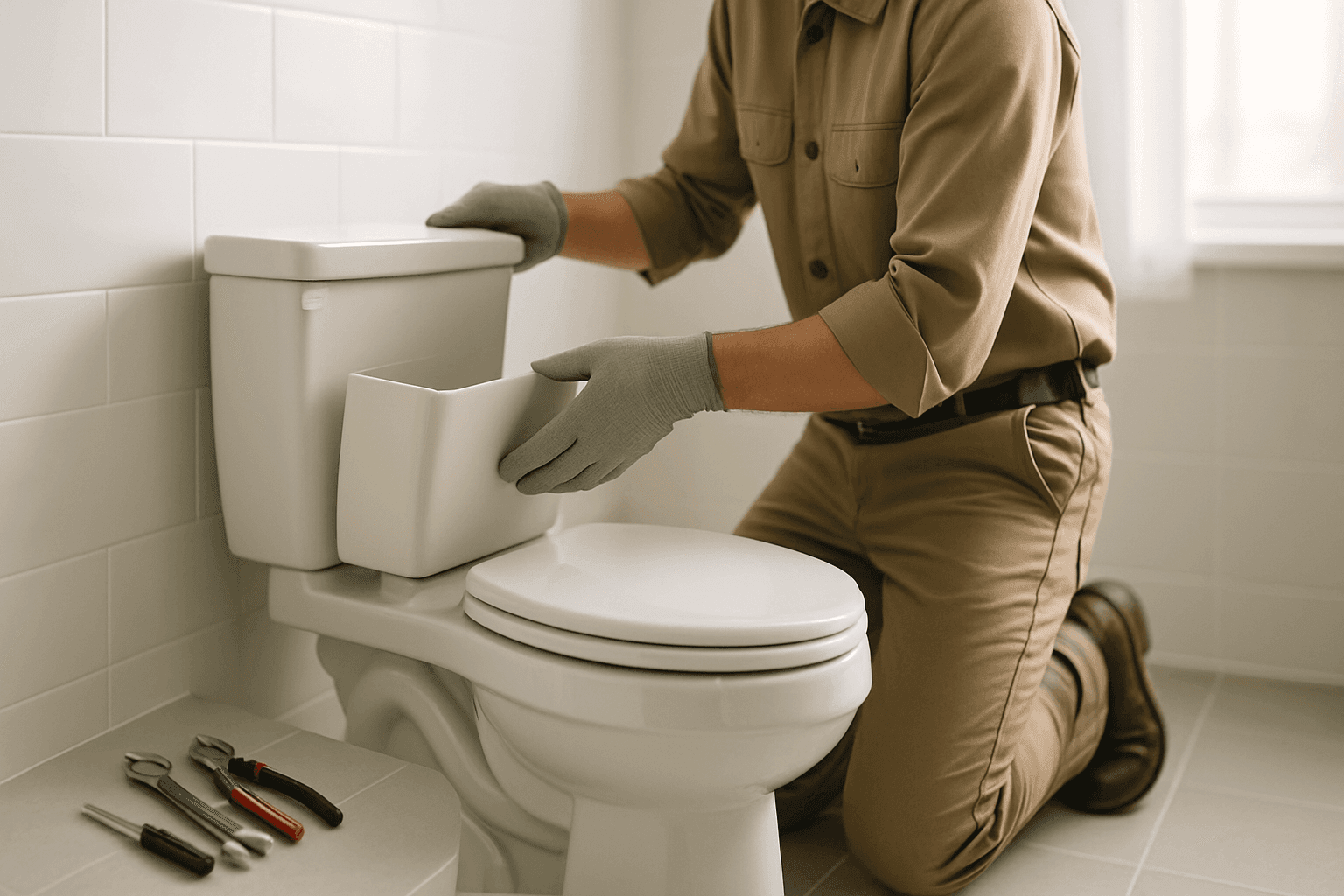
Toilet problems always seem to strike at the worst possible moment. A flush that refuses to work or a puddle forming around the base can throw your day into chaos. At Expert Plumbing, our licensed, background-checked plumbers have responded to every imaginable scenario—sometimes in the dead of night.
You don’t have to panic. Many toilet issues can be spotted early and fixed with tools you already own. And when a wrench just won’t cut it, you’ll know exactly when to reach out for professional emergency plumbing help.
Identifying the Issue 🚽
Before you grab the plunger, take a moment to observe. Toilet troubles come in a handful of classic forms. Recognizing the problem is half the battle:
- Won’t Flush: You press the handle, but nothing happens—or you get a weak swirl.
- Constantly Running: The sound of running water never stops.
- Clogging: Water rises dangerously high, or drains painfully slow.
- Leaks at the Base: Water pools around the bottom of the toilet.
- Unusual Odors: A whiff of sewage or musty dampness.
Each of these issues can have quick fixes, but sometimes they hint at bigger plumbing headaches.
Quick Checklist: Common Tools You’ll Need
- Plunger (flange type for toilets)
- Adjustable wrench or channel-lock pliers
- Bucket and towels
- Screwdriver (flathead and Phillips)
- Flashlight
- Rubber gloves
Quick Safety Checklist
Plumbing repairs can get messy—and hazardous. Pause and run through this safety list:
- Turn off the water supply valve (usually behind the toilet).
- Never mix cleaning chemicals in the bowl or tank.
- Wear gloves to avoid skin contact with dirty water.
- If you suspect a gas smell or see sparks, leave the bathroom and call emergency services.
- Keep children and pets away from work areas.
- If using power tools, ensure outlets are dry and your hands are clean.
- Know where your home’s main water shutoff is located.
DIY Fixes with Tools You Have
A little knowledge saves a lot of stress. Here’s how to tackle the most common toilet mishaps:
Won’t Flush
- Check the Handle: If the handle feels loose or floppy, open the tank. The lift chain may be disconnected or tangled. Reattach to the flapper arm.
- Flapper Problems: The flapper is a rubber piece at the bottom of the tank. If it’s warped, worn, or not sealing, water won’t flow right. Replacement flappers are available at hardware stores and are easy to swap out.
- Low Water Level: If the tank isn’t refilling enough, adjust the float. Gently bend the float arm or turn the adjustment screw.
Constantly Running
- Check the Flapper: A leaky flapper is usually the culprit. Wiggle it—does it seal tightly? If not, replace.
- Float Too High: If water spills into the overflow tube, lower the float so the fill valve shuts off sooner.
- Fill Valve Issues: Debris or wear can cause fill valves to malfunction. Turn off water, unscrew the valve cap, and clean or replace as needed.
Clogging
- Plunge Properly: Use a flange plunger for the best seal. A few firm pushes, then pull up quickly to break the clog’s grip.
- Toilet Auger: For stubborn blockages, a toilet auger (or closet snake) can break up or retrieve objects.
- Avoid Chemicals: Drain cleaners can damage pipes and are rarely effective for toilet clogs.
Leaks at the Base
- Check for Condensation: Sometimes, “leaks” are just condensation on the tank dripping down. Dry everything off and watch for new water.
- Worn Wax Ring: If water keeps appearing around the base after every flush, the wax ring seal may be failing. Replacing this involves lifting the toilet—if you’re not comfortable, call a plumber.
- Loose Bolts: Gently tighten the floor bolts. Don’t overtighten; porcelain cracks easily.
When to Call a Plumber
Some problems are like icebergs—what you see is only a fraction of what’s happening beneath the surface. Call for emergency plumbing help if:
- Water keeps pooling around the base, even after drying and tightening bolts.
- You smell sewage or rotten eggs (possible sewer line or gas issues).
- The toilet overflows repeatedly, even after plunging.
- Water is backing up into other drains (bathtub, sink) when you flush.
- You hear gurgling from pipes or see bubbles in the bowl.
- You spot cracks in the porcelain tank or bowl.
Licensed plumbers can quickly diagnose hidden issues—like a cracked sewer line, collapsed pipe, or dangerous gas leak—and perform repairs in line with local code and safety guidelines (refer to the Uniform Plumbing Code or your local building authority for more info).
What Pros Do On Arrival
When you call in a professional from Expert Plumbing, here’s what you can expect:
- Assessment: We listen to your description, inspect the toilet, and check surrounding fixtures for related problems.
- Leak Detection: Using specialized tools, we test for hidden leaks, water pressure issues, and backflow risks.
- Repairs: From replacing faulty flappers and gaskets to resealing the toilet base or clearing deep clogs, we get to the root cause.
- Safety Checks: If gas or sewer lines are nearby, we perform safety checks and can coordinate further gas line installation near you if needed.
- Cleanup: We leave your bathroom as clean (or cleaner) than we found it.
All our technicians are fully licensed, insured, and background-checked for your peace of mind.
Prevention & Maintenance
An ounce of prevention keeps emergencies at bay. Here’s how to keep your toilet healthy:
- Don’t flush wipes, paper towels, or feminine products. Even “flushable” wipes can clog pipes.
- Check for leaks monthly. A few drops of food coloring in the tank—if it seeps into the bowl, your flapper leaks.
- Listen for running water. Addressing a running toilet early saves on water bills.
- Inspect the base for moisture. Catching leaks early prevents floor damage or mold growth.
- Schedule annual plumbing inspections. Professional preventative maintenance can spot hidden problems before they escalate.
Authoritative sources like the Environmental Protection Agency (EPA) recommend annual leak checks and prompt repair to conserve water and prevent costly damage.
Costs & Time Factors
Not all repairs are created equal. Here’s what to expect:
- Simple DIY fixes: Flapper or handle replacement can take 10–20 minutes and cost under $20 in parts.
- Clog removal: Plunging takes minutes; using an auger may take 15–30 minutes.
- Wax ring replacement: This is a more involved job—allow 1–2 hours, especially if you’ve never lifted a toilet before.
- Professional repairs: Emergency plumbing response times vary, but most issues are resolved within 1–3 hours of arrival.
Remember, delaying repairs can make a cheap fix much more expensive—especially if water damage or hidden leaks develop.
When It’s an Emergency
Some toilet problems need immediate attention to prevent major damage or health hazards:
- Active water leakage from the base or tank
- Overflowing bowl that won’t stop, risking flooding
- Raw sewage backup or strong sewage odors
- Broken toilet in a one-bathroom home or when guests are present
In these cases, shut off the water supply and call for emergency plumbing right away.
FAQ: Common Toilet Troubles
Why does my toilet keep running after I flush?
A worn or misaligned flapper is the most common reason. Sometimes the fill valve or float needs adjustment. If replacing these parts doesn’t help, a plumber can check for deeper valve or supply problems.
Can I use chemical drain cleaners in my toilet?
It’s not recommended. Most chemical cleaners don’t work well on toilet clogs and can damage pipes, seals, and the porcelain itself. Stick with mechanical tools like plungers or augers.
What causes toilet leaks at the base?
Leaks at the base usually mean the wax ring seal is worn or the bolts are loose, allowing water to escape with every flush. If tightening bolts doesn’t stop the leak, a new wax ring is needed.
My toilet is slow to fill—what’s wrong?
Sediment in the fill valve, low water pressure, or partially closed supply valves can slow tank refill. Cleaning or replacing the fill valve and ensuring the supply line is open should solve the issue.
Regional/Seasonal Considerations: Septic vs. Sewer Systems
Where you live changes how you approach toilet repairs.
- Homes on Septic: Clogs can back up the entire system. Avoid flushing anything but waste and toilet paper. Regular septic tank pumping (every 3–5 years) keeps things flowing.
- Homes on Sewer: City sewers can back up due to tree roots, grease, or heavy rain. If multiple drains back up, call for sewer line inspection and repair.
- Cold Climates: Frozen pipes can cause toilets to malfunction or leak. Insulate pipes and keep the bathroom warm in winter.
If you’re unsure whether your home is on a septic or sewer system, your local building authority or a licensed plumber can help you find out.
Toilet problems don’t have to ruin your day—or your bathroom floor. Whether it’s a quick handle fix or a midnight emergency, Expert Plumbing is here to help you get back to normal, fast.
Call Expert Plumbing now — or reach us anytime at 877-837-7735 .