Sump Pump Failure: Causes, Prevention & What to Do Next
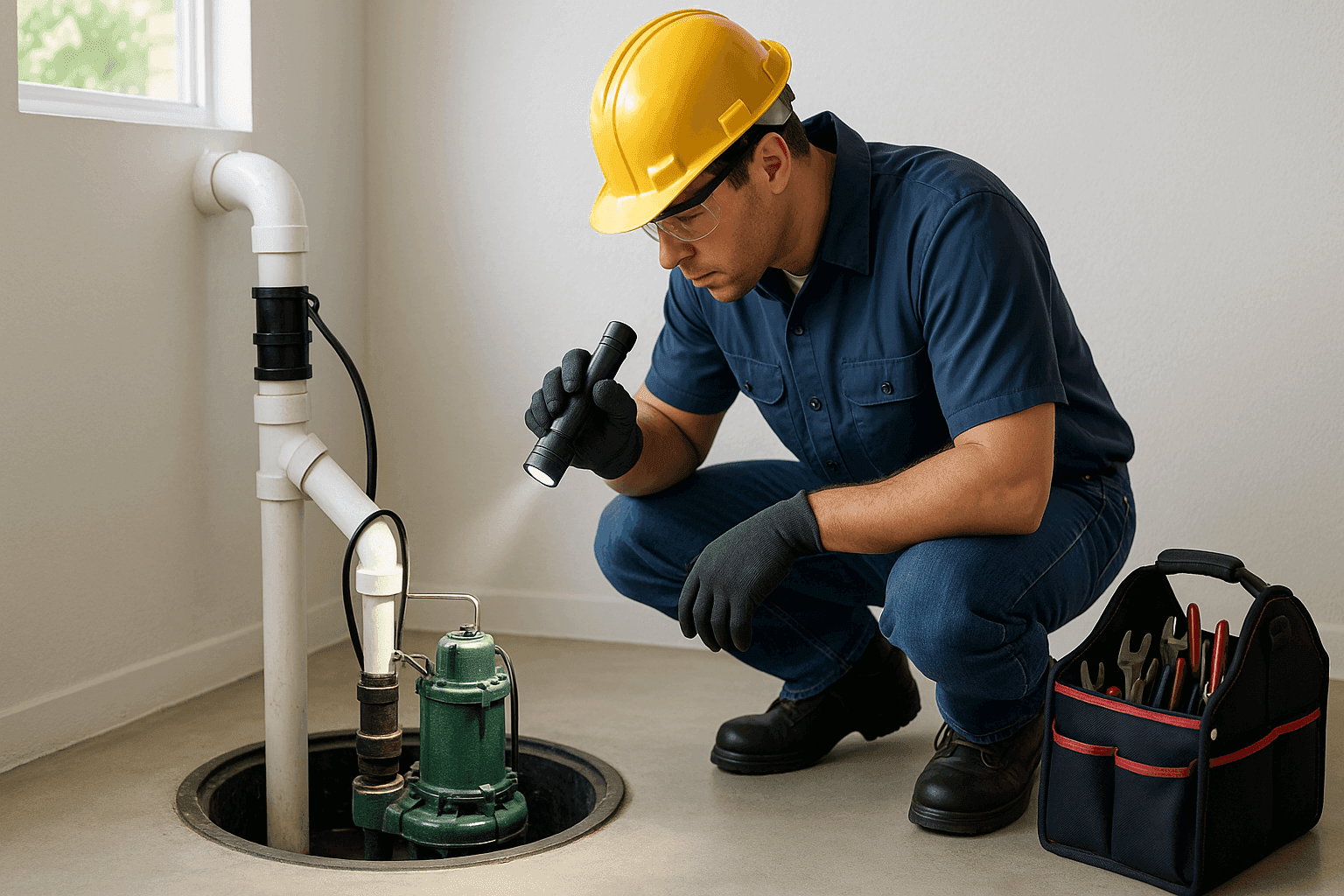
When a sump pump fails, water doesn’t just seep in—it invades. A big storm doesn’t care about your schedule or your sleep. If your basement is at risk, every second counts.
We’ve helped countless families through late-night emergencies, and we know how overwhelming it feels when the water keeps rising. Here’s what you need to know, what you can do right now, and how to keep your home safe for years to come.
Why Sump Pumps Fail ⚡
A sump pump’s job is simple: keep water out of your basement. But even the best ones can fail, turning a minor leak into a full-blown flood. Why does this happen?
- Power Loss
The most common culprit. Storms knock out electricity, but water doesn’t wait politely for the lights to come back on. - Switch or Float Failure
Think of the float as the brain’s messenger. If it gets stuck or jammed, your pump won’t know when to start or stop. - Clogged or Frozen Discharge Pipes
Imagine a straw blocked with gunk—you can’t drink, and the pump can’t drain. - Old Age or Wear
Sump pumps don’t last forever. Most need replacing every 7–10 years. - Improper Installation
A crooked pump or incorrect pit size can stop the whole show before it starts.
Take it from the National Association of Home Builders: regular checks and proper installation are key for long-term reliability.
Troubleshooting Checklist 📝
Before panic sets in, run through this quick safety and troubleshooting list:
- Check the Power Source
Is the pump plugged in? Has a breaker tripped? - Inspect the Float
Gently lift it. Does the pump kick on? - Look for Obstructions
Remove any visible debris from the pit and discharge pipe. - Listen for Strange Noises
Grinding, humming, or silence? Each means something different. - Check for Water Movement
If water isn’t moving out, you’ve got a problem. - Avoid Standing Water
Electricity and water are a dangerous mix. Stay clear if outlets or cords are wet.
If your basement is already flooding and you can't identify the issue safely, step back and call for emergency plumbing help.
Preventative Maintenance Tips
Think of your sump pump like a trusty umbrella. You don’t wait for rain to check for holes. Protect your basement with these habits:
- Test Monthly
Pour a bucket of water into the pit. The pump should start and drain it away smoothly. - Clean the Pit Every 3–4 Months
Remove dirt, gravel, or anything that could jam the float. - Check the Discharge Line
Make sure it’s clear—especially before rainy seasons. - Inspect for Corrosion or Rust
Replace any damaged parts to avoid surprise breakdowns. - Backup Power Source
Install a battery backup so your pump works even when the power is out.
According to the Plumbing-Heating-Cooling Contractors Association, these simple checks save thousands in potential water damage repairs.
Emergency Steps During Storms 🌧️
When the sky darkens and thunder rumbles, don’t wait to act. Here’s what to do if you suspect a sump pump failure during a storm:
- Move Belongings to Higher Ground
Protect valuables, furniture, and anything that can soak up water. - Unplug Electrical Items in the Area
Safety first—prevent shocks and further damage. - Turn Off Power to the Basement (If Safe)
Only if there’s no standing water—otherwise, wait for professional assistance. - Use a Wet/Dry Vacuum or Mop
If water is minimal, start cleanup to limit damage. - Call for Emergency Plumbing
The sooner a licensed plumber arrives, the better your odds of preventing major damage.
If you’re dealing with a gas line installation near you, keep the area clear. Gas and water are a dangerous mix.
Licensed Repair Advice: Real-Life Example
One family we helped last spring discovered their sump pump had failed just as a heavy rainstorm hit. The float switch was jammed with gravel from years of buildup. With water rising fast, they called for emergency plumbing. Our licensed team arrived, cleared the debris, replaced the switch, and installed a battery backup—all before the water could ruin their new flooring.
It’s the kind of story we see every season. Small issues snowball when left unchecked.
Local and Seasonal Nuance
Before rainy or thaw seasons, sump pumps need extra attention. Schedule checks in early spring and late fall. In areas with freezing winters, make sure discharge lines are protected to prevent ice blockages.
If your home has a history of basement moisture, consider a water alarm. It’s a simple, affordable device that notifies you the moment water starts pooling—sometimes before you even notice.
FAQ
How often should I test my sump pump?
Test it once a month by pouring water into the pit and watching for a proper cycle. Inspect before heavy storms or each season change.
What if my basement floods at night?
Call for emergency plumbing right away. Move valuables, avoid electrical hazards, and wait for help if water is deep.
Can I install a backup battery myself?
Some homeowners can, but for guaranteed safety and code compliance, hire a licensed professional. Incorrect installation can void warranties or risk further damage.
Is sump pump failure covered by insurance?
It depends on your policy. Most homeowner’s insurance does not cover flood damage unless you carry specific endorsements. Check with your provider.
Closing Thoughts
A working sump pump is your silent defender. Don’t let it fail when you need it most. Maintenance now saves stress, money, and damage later.
Call Expert Plumbing now — or reach us anytime at 877-837-7735 .