Top Signs Your Sewer Line Needs Repair or Replacement
Have you noticed water pooling in your yard, strange gurgling from the toilet, or that unmistakable rotten egg smell drifting from the drains? Sewer line problems rarely arrive quietly. They knock loud, and they don’t wait for a convenient time. When you’re dealing with an emergency plumbing situation, every minute counts.
At Expert Plumbing, we know how stressful sewer line issues can be. Your home’s safety—and your family’s health—depend on catching problems early. Let’s break down the warning signs, causes, and what you should do next.
Common Symptoms of Sewer Line Trouble 🚩
Sewer lines are like the veins of your home’s plumbing system. When they’re clogged or broken, the whole house feels it. Here’s what you’re most likely to notice first:
- Slow Drains Throughout the House: If just one sink is slow, it could be a local clog. But if every drain seems sluggish—kitchen, bathroom, even the laundry room—it’s often a sign the main sewer line is struggling.
- Gurgling Sounds: Ever flush the toilet and hear a bubbling sound from the tub? That’s air fighting through water trapped by a blockage.
- Foul Odors: A healthy sewer line is airtight. If you’re smelling sewage indoors or near your yard, it means something’s cracked or leaking.
- Soggy or Sunken Lawns: Is your grass suddenly greener or mushier in one spot? Underground leaks can saturate the soil, creating unexpected puddles or depressions.
- Frequent Toilet Backups: One clogged toilet is an inconvenience. Several in a week? That’s a red flag waving for urgent sewer line attention.
- Mold, Mildew, or Pest Problems: Moisture from leaks encourages mold growth and attracts unwelcome guests—think rats or cockroaches.
Don’t ignore these signals. Left unchecked, minor annoyances can turn into health hazards or major property damage.
Causes of Sewer Line Failure
Why do sewer lines go bad? Sometimes it’s age, sometimes it’s what’s happening underground. Let’s look at the usual suspects:
- Tree Roots: Trees are relentless. Their roots sniff out the tiniest cracks, squeezing into joints and expanding, crushing pipes as they grow. This is common in older neighborhoods or places with big, mature trees.
- Soil Shifts: In regions with heavy clay, sandy soils, or freeze-thaw cycles, the ground can move over time. Pipes crack, sag, or disconnect as the earth settles or swells.
- Corrosion: Older homes often have cast iron or clay pipes. Decades underground can rust or weaken these materials, making them brittle.
- Flushing Non-Flushables: Wet wipes, grease, feminine products—these build up and block pipes, even those labeled “flushable.”
- Construction or Heavy Traffic: Construction work or even heavy vehicles passing over your yard can crush or shift pipes, especially if they’re shallow.
- Poor Installation: Sometimes the problem starts on day one. Pipes with poor joints, bad slopes, or subpar materials eventually fail.
Understanding the cause helps decide on the best fix—whether it’s a quick repair or a full replacement.
How Pros Inspect Sewer Lines
Diagnosing a sewer line problem isn’t guesswork. Modern plumbers use advanced tools to see what’s happening below ground, without digging up your whole yard.
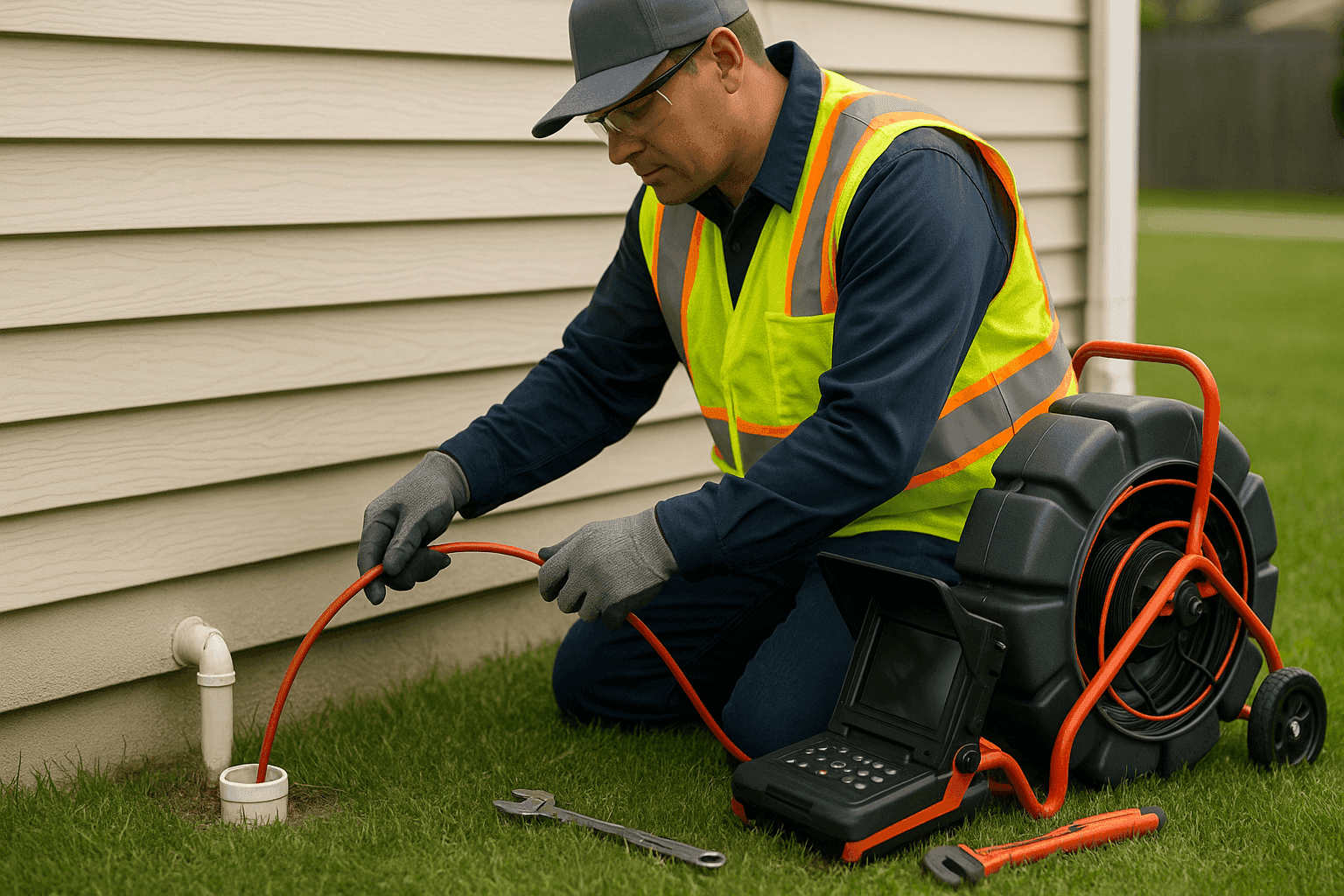
- Video Camera Inspection: A flexible waterproof camera snakes through your pipes, sending back real-time video. Plumbers can spot cracks, roots, and blockages instantly. It’s like getting a live weather report from underground.
- Smoke Testing: Non-toxic, colored smoke is pushed through the lines. If you see smoke escaping from odd places in your yard or home, it reveals leaks or illegal connections.
- Listening Devices: For hidden leaks, specialized microphones pick up the subtle sound of water escaping under pressure.
- Pressure Testing: Pipes are pressurized and monitored for drops, signaling leaks or breaks.
According to the International Plumbing Code (IPC), camera inspections and non-destructive tests are now standard for diagnosing residential sewer lines.
Repair vs. Replacement: What’s the Right Call?
So the problem’s found—now what? Here’s how the decision usually shakes out:
When Repair Makes Sense
- Small, Isolated Cracks: A single joint or crack can often be patched or lined without a full dig-up.
- Minor Root Intrusions: If roots are just starting to invade, mechanical or chemical root removal (followed by sealing) may do the trick.
- Localized Blockages: A stubborn clog may only need snaking or hydro-jetting.
When Replacement Is Better
- Multiple Breaks or Collapses: If the pipe looks like Swiss cheese, patching won’t last.
- Extensive Corrosion: Old, rusted-out pipes are a ticking time bomb.
- Severe Root Damage: When roots have destroyed whole sections, replacement is safer and longer-lasting.
- Ongoing Backups Despite Repairs: If you’ve fixed it twice and it keeps coming back, it’s time for a fresh start.
Modern trenchless methods can replace pipes with minimal digging, but not every situation qualifies. Your plumber will recommend the safest, most cost-effective option for your home.
Quick Safety Checklist
- Shut off water at the main if sewage is backing up.
- Keep kids and pets away from standing water or soggy spots.
- Don’t use chemical drain cleaners—they can worsen pipe damage.
- If you smell gas or sewage indoors, leave the house and call emergency plumbing services.
- Check for visible mold or mildew—this could signal a hidden leak.
DIY vs. Call a Pro
It’s tempting to grab a plunger or a bottle of cleaner when drains back up. But sewer line problems run deeper than most DIY fixes can reach.
DIY Tasks
- Plunge minor clogs in sinks or toilets.
- Clean hair out of shower drains.
- Use a wet/dry vacuum to clear standing water (if safe).
Call a Pro For
- Multiple slow or backed-up drains.
- Persistent foul odors.
- Water backing up in unexpected places (like a tub filling when you flush).
- Gurgling or bubbling sounds in non-plumbing fixtures.
- Any signs of sewage leaks outside or inside.
Gas Line Installation near you or major pipe repairs should always be handled by licensed technicians. Plumbing codes require specific safety measures that only trained pros can guarantee.
What Pros Do On Arrival
Expect a step-by-step approach:
- Assessment: Quick walk-through to check every fixture and review symptoms.
- Camera Inspection: Sending a video line down the sewer to spot exact problem spots.
- Testing: Pressure or smoke tests if leaks are suspected but not visible.
- Diagnosis: Explaining the cause, showing you camera footage, and outlining repair options.
- Action: Clearing blockages, repairing or replacing pipes, and checking for proper flow.
- Cleanup: Sanitizing affected areas to remove health hazards.
Licensed plumbers will always follow local codes and best practices, protecting your home and the environment.
Prevention & Maintenance
The best fix is often prevention. Here’s how to keep your sewer lines flowing:
- Don’t plant trees or shrubs near sewer lines.
- Avoid flushing anything but toilet paper.
- Schedule annual drain cleanings to clear minor build-up before it becomes a major headache.
- Consider water filtration systems to prevent mineral buildup.
- Watch for recurring puddles, odd odors, or insect infestations.
- Ask about backflow prevention devices if you live in flood-prone areas.
Local building codes and the Environmental Protection Agency (EPA) both recommend routine inspections, especially for homes over 30 years old.
Costs & Time Factors
Repairing or replacing a sewer line is a big job—but prices and timelines vary.
- Repairs may take a few hours to a day.
- Full replacements (especially with new trenchless technology) can often be completed in 1–3 days, depending on length and depth.
- Costs depend on the material, length of pipe, depth, and whether trenchless methods are possible. Replacing a short section costs much less than a full line from house to street.
Remember, putting off repairs can lead to bigger, costlier problems later—like foundation damage or contamination.
When It’s an Emergency
Some sewer problems just can’t wait:
- Raw sewage backing up in the home.
- Strong sewage or gas smell indoors.
- Fast-growing puddles or sinkholes in the yard.
- All drains backing up at once.
- Water heater or boiler leaks near the sewer line.
If you’re facing any of these, call an emergency plumbing service right away. Health risks and property damage escalate quickly.
FAQ: Sewer Line Repair & Replacement
Q: How often should I have my sewer line inspected?
A: As a rule of thumb, every 2–3 years for homes over 20 years old, or immediately if you notice symptoms. Newer homes with PVC pipes may go longer.
Q: Are repairs covered by homeowner’s insurance?
A: Sometimes, but only if the cause is sudden and accidental. Gradual wear and tear (like roots or corrosion) is usually not covered. Check your policy details.
Q: Can tree roots really break pipes?
A: Absolutely. Roots are nature’s slow-motion wrecking ball, especially in older clay or cast iron lines.
Q: What’s the difference between pipe relining and pipe bursting?
A: Relining installs a new liner inside the old pipe; bursting breaks up the old pipe and pulls a new one through the hole. Both are trenchless, but your plumber will choose based on your situation.
Local & Seasonal Considerations 🌳
Different regions face different challenges:
- Tree Roots: If you live in an area with lots of old, established trees, root invasion is a top concern. Regular root barriers and inspections can help.
- Soil Shifts: In places with heavy rainfall, drought, or freeze-thaw cycles, shifting soil can crack pipes. After extreme weather, watch for new soggy spots.
- Heavy Clay or Sandy Soils: These soil types expand, contract, or erode more easily, putting extra stress on underground pipes.
- Urban vs. Rural: City homes may be more prone to older, corroded pipes. Rural homes with private septic systems need extra vigilance for leaks or backups.
No matter where you live, a watchful eye and quick response can prevent small problems from turning into costly disasters.
If you notice any of these warning signs or just have a hunch something’s not right, don’t wait. Call Expert Plumbing now — or reach us anytime at 877-837-7735 . Your home’s safety starts with one call.