Sewer Line Problems: Signs, Causes & When to Call a Pro
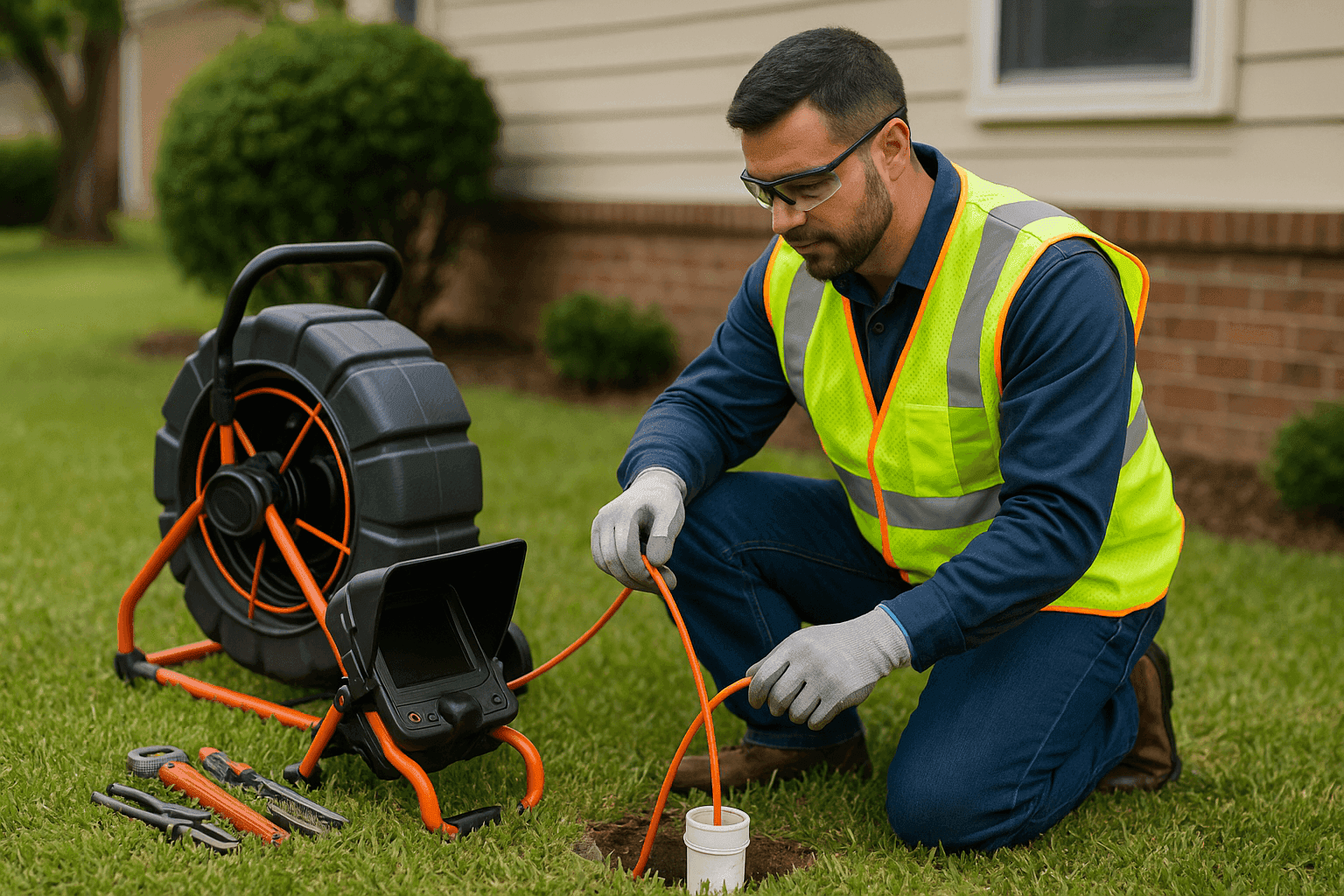
Is your nose picking up a funky odor in the yard? Maybe your shower drains slower than a lazy river, or there are weird wet patches outside—no rain in sight. Sewer line problems don’t just disrupt daily life. They threaten your home’s safety and comfort. At Expert Plumbing, we know that a burst, blocked, or cracked sewer line is more than a mess—it's an emergency.
Plumbing emergencies don’t wait for business hours. Neither do we. Our licensed team helps families handle everything from sewer inspection to complete pipe repair, all day, every day.
Warning Signs of Sewer Trouble 🚩
Even the sturdiest homes can fall victim to hidden sewer line issues. Spotting the warning signs early saves you money—and prevents chaos.
- Slow Drains Throughout the House
One sluggish sink? Maybe it’s just a clog. But if tubs, toilets, and sinks are all slow, the main sewer line could be struggling. - Persistent Sewer Odors
That rotten egg smell isn’t just unpleasant—it’s a red flag. Sewer gas seeping inside means something’s wrong below. - Water Backups & Gurgling Noises
Toilets bubbling? Water coming up in the bathtub after flushing? Your pipes are trying to tell you something. - Soggy or Sunken Yard Spots
Patches of grass that stay wet, even in dry weather, could signal an underground leak. - Mold Growth & Wall Stains
Sewer leaks often lead to extra moisture behind walls. Watch for unexplained spots or musty smells.
Some of these signs can be subtle. Others—like a sudden sewage backup—demand immediate help from an emergency plumbing team.
Common Causes: Tree Roots, Old Pipes & More
Sewer lines are tough. But even tough things break down—especially in older homes or after years of use. Here’s why:
- Tree Roots Invading the Line
Roots seek out moisture, and sewer lines are like a buffet. They slip into tiny cracks, then grow until they block or break the pipe. - Aging or Deteriorated Pipes
Cast iron, clay, or Orangeburg pipes (common in homes built before the 1980s) can collapse or corrode. Age wears everything down. - Grease, Debris, and "Flushable" Wipes
What goes down the drain doesn’t always disappear. Grease, wipes, and debris build up over time, creating stubborn clogs. - Ground Movement
Soil settles. Driveways shift. Small earthquakes or nearby construction can crack or offset pipes. - Poor Installation or Repairs
Pipes installed without proper slope, or with cheap materials, are ticking time bombs.
In homes built before the 1970s, outdated pipe materials multiply your risk. Regular inspections—especially with a video camera—catch small problems before they explode into big ones.
DIY Troubleshooting
Not every sewer problem needs a shovel or scope. Sometimes, a little detective work helps you decide what to do next.
- Plunge Carefully
If a single drain is slow, try a plunger. But if multiple drains act up, skip the chemicals. They can make things worse. - Check for Obvious Blockages
Remove hair catchers or stopper assemblies and clear visible debris. - Look for Wet Yard Spots
Walk around your yard. Is there a patch that’s always soggy or smells bad? - Listen for Odd Sounds
Gurgling toilets or sinks point to vent or line issues.
If these steps don’t solve it—or if the problem returns—don’t keep fighting. Over-the-counter fixes can damage pipes, and you could end up knee-deep in a much bigger mess.
When to Call a Pro
Some plumbing jobs are safe for DIYers. Sewer line problems? Not so much. Here’s when to pick up the phone:
- Multiple Drains Are Slow or Backing Up
This points to a main line issue, not just a single clog. - Sewer Odors Indoors or Outdoors
Sewer gas is dangerous. Don’t take chances with your health. - Standing Water or Sewage in the House
Any sign of sewage indoors is an emergency. Act fast to avoid structural damage and health hazards. - Persistent Yard Wet Spots
A leaking underground pipe is a job for a licensed plumber. - Unexplained Mold or Water Damage
If you see stains, mold, or bubbling paint near plumbing lines, a pro should inspect for hidden leaks.
Professional plumbers use video inspection cameras to see inside pipes. This reveals cracks, roots, and blockages—no guessing, no unnecessary digging. Licensed plumbers follow local codes and safety guidelines (see: International Plumbing Code, Uniform Plumbing Code).
Preventing Sewer Backups
You can’t stop tree roots from growing. But you can lower your risk of a sewer disaster.
- Don’t Flush Wipes or Hygiene Products
Even “flushable” wipes cause trouble. Toss them in the trash. - Keep Grease and Food Out of the Drain
Let grease cool and throw it away—don’t pour it down the sink. - Schedule Routine Video Inspections
Annual or biennial checks spot early warning signs, especially in older homes. - Install a Backwater Valve
This device keeps sewage from backing up into your house. Many local codes now require them in flood-prone areas. - Trim Trees Near Sewer Lines
Roots are less likely to invade if you keep trees under control. - Consider Preventative Maintenance Plans
Regular drain cleaning and pipe inspections extend your plumbing’s life.
What Happens When a Pro Arrives
Ever wondered what plumbers actually do when they show up for emergency plumbing calls? Here’s what to expect:
- Site Assessment & Safety Check
The technician checks for hazards, including gas leaks or electrical risks. - Video Inspection
A small camera snakes through the line, showing real-time footage of cracks, roots, and blockages. - Diagnosis & Recommendation
You’ll get a clear explanation of the cause—no guesswork, no hidden issues. - Repair or Replacement
Depending on the damage, repairs might be as simple as snaking the line or as complex as replacing a section of pipe. - Code-Compliant Restoration
All work follows local plumbing and safety codes, protecting your home and investment.
Emergency Plumbing: When Every Minute Counts
Certain sewer problems can’t wait.
- Sewage Overflow Indoors
Immediate risk to health and property. - Major Yard Flooding
Can lead to foundation damage and mold. - Gas Smell Near Sewer Lines
Rare, but dangerous. Leave the area and call both your gas supplier and a plumber. - Total Loss of Drainage
If nothing drains, your home is out of commission.
In emergencies, licensed plumbers respond fast. Quick action minimizes damage and keeps your family safe.
Local & Seasonal Risks: Older Homes, Shifting Soil
If you live in an older neighborhood, your pipes may be overdue for replacement. Many homes still rely on clay or cast iron lines, which crack and rust over decades. Seasonal changes—especially heavy rain or freezing and thawing—can make things worse.
- Winter: Frozen ground stresses pipes. Any weakness can turn into a break.
- Spring/Fall: Tree roots surge. Wet weather saturates soil, shifting pipes.
- After Construction: Vibrations and ground movement can knock pipes loose.
Regular inspection—especially after storms or landscaping work—catches problems before they get out of hand.
FAQ: Sewer Line Questions from Homeowners
How often should I have my main sewer line inspected?
For homes older than 40 years, or with large trees nearby, a video inspection every 1–2 years is smart.
Are chemical drain cleaners safe for sewer lines?
Most are not. They can erode pipes and worsen blockages. Stick to mechanical cleaning and call a pro for stubborn issues.
Can tree roots really break a sewer line?
Yes. Tree roots are powerful and will find any weakness in underground pipes.
Will insurance cover sewer line repairs?
Some policies do, but many exclude “wear and tear.” It’s smart to review your policy or ask your agent.
Quick Safety Checklist
- If you smell gas, get out and call the gas company.
- Avoid all contact with sewage—wear gloves if you must handle anything.
- Turn off the main water supply if there’s an active leak.
- Don’t enter flooded areas with electrical outlets or appliances.
- Call a licensed plumber for emergency plumbing help.
Final Thoughts: Don’t Wait Until It’s a Disaster
Sewer line issues can sneak up on anyone—especially in older homes or after wild weather. But the earlier you spot warning signs, the simpler (and safer) the solution. If your drains are slow, your yard is swampy, or you smell something foul, don’t wait.
Expert Plumbing is ready to help 24/7 with sewer line inspection, pipe repair, leak detection, and emergency plumbing services. We're licensed, insured, and experienced—so you get peace of mind, not just a quick fix.
Call Expert Plumbing now — or reach us anytime at 877-837-7735 .