The Ultimate Guide to Preventing Clogged Drains Year-Round
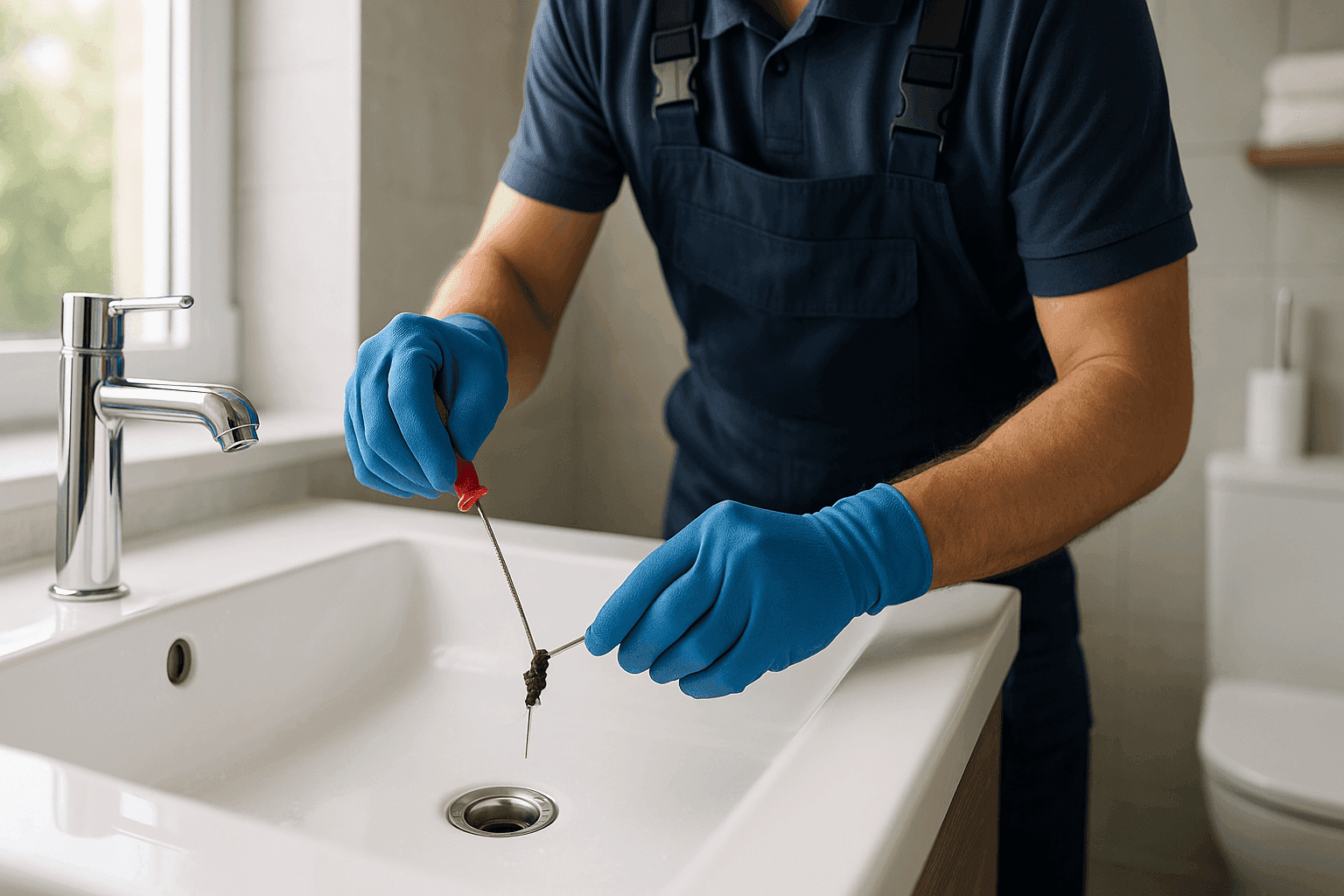
Drains don’t wait for a good time to clog. They act up after a big dinner, during the holidays, or right before guests arrive. It’s frustrating. It’s messy. It can even be dangerous if raw sewage or gas lines are involved.
At Expert Plumbing, we know what it’s like to face a stubborn clog on a busy weeknight. Our team handles everything from emergency plumbing to advanced camera drain inspections. This guide gives you the tools and knowledge to keep your home’s water flowing freely—no matter the season.
Common Causes of Clogged Drains
Why do drains clog? It’s not just bad luck. Most blockages have a cause you can see, smell, or even hear if you know what to look for.
- Hair and Soap Scum: Bathroom sinks, tubs, and showers are magnets for hair and sticky residue. Over time, this forms a tangled net below the surface.
- Grease and Food Waste: Kitchen sinks take a beating. Grease hardens in pipes. Food scraps (even if you have a garbage disposal) pile up and slow the flow.
- Foreign Objects: Kids’ toys, sanitary wipes, cotton swabs, and other “flushable” items get stuck. Pipes aren’t designed for this kind of traffic jam.
- Mineral Buildup: Hard water leaves invisible deposits. These grow layer by layer, shrinking pipe openings.
- Tree Roots: Underground pipes are not immune. Roots sniff out tiny leaks and break in, causing slow drains and, sometimes, total blockages.
- Aging Pipes: Corrosion and shifting soil can collapse old pipes, especially if you live in an older home.
When these issues go unchecked, a simple slow drain can turn into a full-scale emergency plumbing call.
DIY Prevention Methods
A little attention goes a long way. Think of your drains like arteries—keep them clear, and your home stays healthy.
- Use Drain Screens: Catch hair, food, and debris before it slips down the drain.
- Dispose of Grease Properly: Pour cooled grease into a container. Toss it in the trash, not down the sink.
- Run Hot Water: After using your kitchen sink, run hot water for 30 seconds to flush away oils.
- Baking Soda and Vinegar: Once a month, pour half a cup of baking soda followed by half a cup of vinegar down the drain. Wait 10 minutes, then rinse with hot water. It’s like a mini spa day for your pipes.
- Be Mindful of What You Flush: Only toilet paper and waste should go in the toilet. Even wipes labeled “flushable” can cause havoc.
- Regular Plunger Use: If you notice a slow drain, a few pumps of the plunger can dislodge minor clogs before they grow.
These simple habits can prevent most blockages. But some issues lurk deeper—out of sight, out of mind.
Seasonal Drain Maintenance Checklist 🗓️
Every season brings its own plumbing challenges. Here’s how to stay ahead, month by month. Download the full checklist at the end of this guide to keep handy all year.
Spring:
- Inspect exposed pipes for winter damage.
- Clear out yard debris from outdoor drains and sump pumps.
- Schedule a professional camera inspection if your home is prone to tree roots.
Summer:
- Check for slow drains after heavy rainfall (can signal root intrusion).
- Clean grease traps and kitchen drains after BBQs or large gatherings.
- Test outdoor spigots for leaks, especially if used for gardens or pools.
Fall:
- Remove fallen leaves from gutters and outdoor drains.
- Insulate pipes in unheated areas to prepare for cold snaps.
- Check shower and bathtub drains for buildup.
Winter:
- Let a trickle of water run on freezing nights to prevent pipe bursts.
- Avoid pouring fats or oils down the drain (they solidify faster in cold).
- Watch for gurgling drains—a sign of deeper problems when pipes contract.
A few minutes each season can save hours of hassle later.
🔒 Download Your Year-Round Drain Maintenance Checklist (PDF) — Print and keep under your sink or in your utility room!
When to Use Professional Services
Sometimes, a plunger and determination aren’t enough. Here’s when it’s time to call for help:
- Water backs up in multiple fixtures at once.
- Persistent foul odors linger, even after cleaning.
- Gurgling or bubbling sounds come from toilets or sinks.
- Slow drainage doesn’t improve with DIY methods.
- You notice wet spots, mold, or water stains near pipes or walls.
- Suspected gas leaks—never ignore the smell of rotten eggs (safety first).
Expert Plumbing brings advanced tools to the job. Our camera inspections reveal what’s happening deep inside your pipes, pinpointing the problem without guesswork. We can handle urgent sewer line repairs, pipe repair, toilet repair, and even gas line installation near you.
Eco-Friendly Solutions
Keeping your pipes clear shouldn’t harm the planet. Here’s how to balance clean drains and clean conscience:
- Enzyme Cleaners: Biodegradable enzymes break down organic matter without harsh chemicals. Look for products that meet EPA Safer Choice standards.
- Manual Tools: Plungers and drain snakes don’t use chemicals at all. They’re reusable and effective.
- Proper Waste Disposal: Collect oils, grease, and non-biodegradable materials in containers before tossing them in the trash.
- Rain Gardens: Direct runoff from downspouts into planted areas to reduce yard flooding and pressure on outdoor drains.
- Low-Flow Fixtures: Modern sinks, toilets, and showers minimize water waste and reduce the risk of overwhelming your pipes.
Remember, harsh chemical drain cleaners can damage pipes, harm wastewater treatment plants, and pollute local waterways. Choose green solutions whenever possible.
Recognizing Problem Signs Early
Catching issues before they become emergencies is like changing your car’s oil before the engine seizes.
- Water pooling around floor drains or in showers
- Bubbling or gurgling noises
- Unpleasant odors from sinks or tubs
- Repeated clogs in the same drain
- Sudden drops in water pressure
If you notice these warning signs, act quickly. Early intervention is always less expensive than emergency repairs.
Our Thorough Drain Cleaning & Camera Inspections
When you call Expert Plumbing, you get more than a quick fix. Our technicians arrive with advanced drain cleaning machinery and high-definition cameras. We can see deep inside your pipes—locating cracks, roots, and hidden buildup.
This technology means fewer surprises, safer repairs, and clear answers. Our approach follows local codes and recommendations from the International Association of Plumbing and Mechanical Officials (IAPMO), giving you peace of mind.
Frequently Asked Questions
How often should I clean my drains?
Monthly cleaning with baking soda and vinegar, plus seasonal checks, is a good rule of thumb.
Are chemical drain cleaners safe?
Most store-bought drain cleaners can damage pipes and harm the environment. Use them only as a last resort, and always follow the manufacturer’s safety guidelines.
Can I prevent tree roots from invading my pipes?
Keep trees and shrubs away from sewer lines. Schedule yearly camera inspections if your property has mature landscaping.
What should I do if my drain backs up at night?
If water is flooding or sewage is coming up, call for emergency plumbing right away. Shut off the main water supply if safe to do so.
Local and Seasonal Considerations 🌦️
Weather patterns and local soil conditions play a big role in your home’s plumbing health.
- Heavy rain: Can overwhelm older sewer systems, leading to backups.
- Extreme cold: Increases the risk of frozen, burst pipes.
- Clay-rich soils: Shift more with moisture changes, sometimes cracking underground pipes.
If you live in a flood-prone area, consider sump pump repair and backflow prevention services. For older homes, regular repiping and leak detection help head off disaster before it arrives.
Strong, clear drains don’t happen by accident. They’re the result of smart habits, seasonal attention, and, when needed, professional expertise. If you’re facing a stubborn clog—or want peace of mind with a camera inspection—help is just one call away.
Call Expert Plumbing now — or reach us anytime at 877-837-7735 .