How to Prevent Frozen Pipes and Winter Plumbing Disasters
Every winter, homeowners brace themselves for more than cold winds and high heating bills. The real threat often lurks behind walls and under floors—frozen pipes and the chaos they can unleash. Burst pipes send thousands of gallons of water gushing through homes each year, causing millions in damage.
At Expert Plumbing, we’ve seen the panic that sets in when water starts pouring where it shouldn’t. But with a few smart steps, you can keep your home safe, dry, and comfortable all season long.
Why Pipes Freeze ❄️
Cold snaps don’t just nip at your nose—they attack your plumbing. When temperatures drop, water in your pipes acts like a stubborn soda left too long in the freezer. It expands as it freezes, pushing against the walls of your pipes until something gives. Usually, it’s the pipe itself.
But not every pipe is equally at risk. Here’s what matters:
- Pipes in unheated spaces (attics, basements, crawl spaces, garages)
- Exterior walls with little or no insulation
- Outdoor spigots and exposed plumbing
According to the Insurance Institute for Business & Home Safety, just a one-eighth inch crack in a pipe can spill up to 250 gallons of water a day. That’s like turning your kitchen sink on full blast and walking away for hours.
How to Insulate Pipes
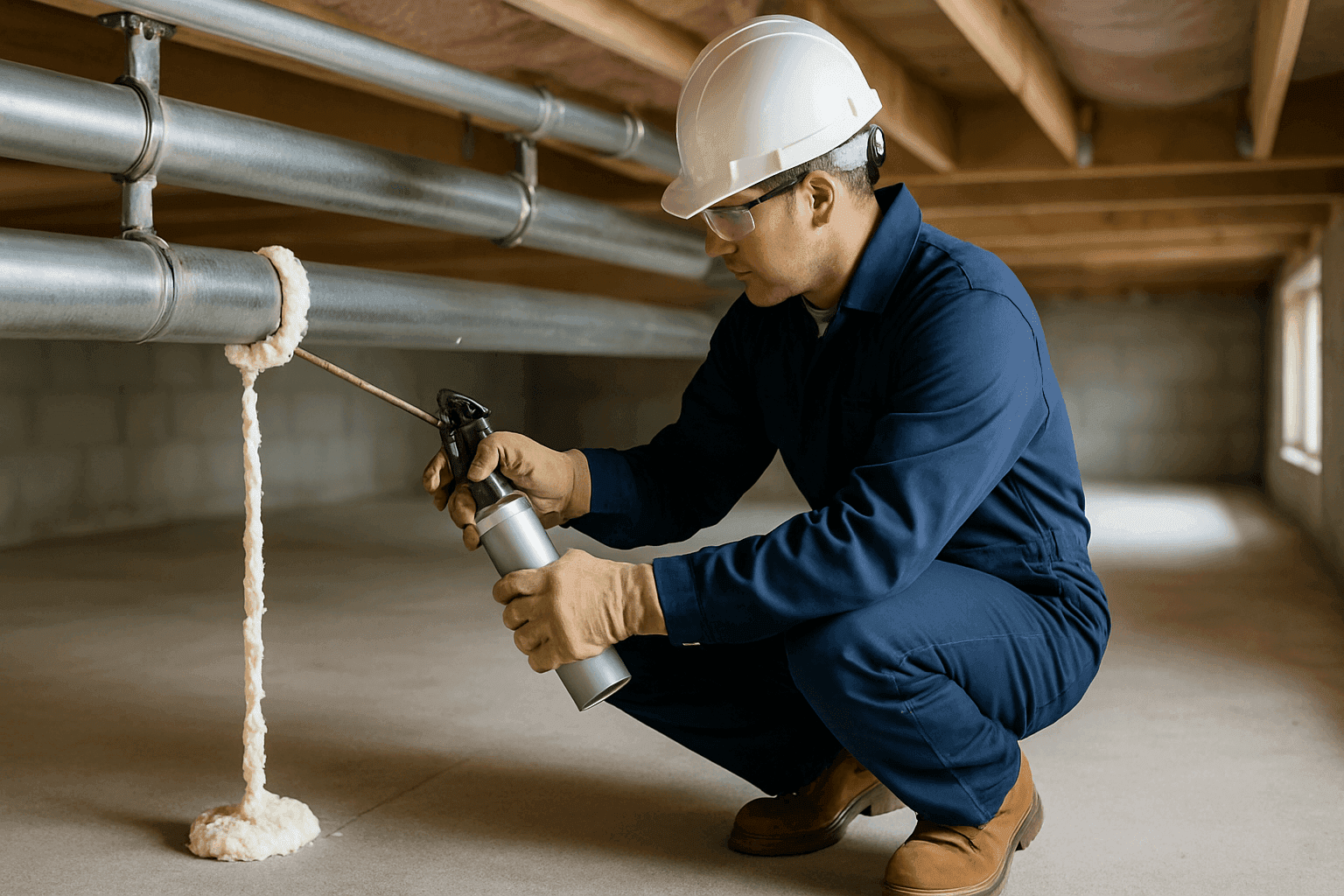
Think of insulation as a warm winter coat for your plumbing. A little effort can make a huge difference.
Where to start:
- Focus on pipes running through unheated areas—basements, garages, crawl spaces, and attics.
- Don’t forget under kitchen and bathroom sinks, especially if they’re on exterior walls.
What to use:
- Foam pipe sleeves: Slide them on like a pool noodle over your pipes.
- Fiberglass pipe wrap: Great for tricky bends or pipes close to walls.
- Heat tape: An electric wrap that gently warms pipes during extreme cold. (Always follow manufacturer instructions and local code. The U.S. Consumer Product Safety Commission recommends using only UL-listed heat tape.)
Pro tip: Seal gaps and cracks in walls near pipes. Cold air sneaking in through tiny holes can undo all your insulation work.
Signs of Frozen Pipes
Sometimes, the first clue is a tap that won’t give you a drop. But there are other warning signs—catching them early can save you from a waterfall later.
- Unusual sounds: Pipes groan, bang, or whistle when freezing.
- Odd smells: If you notice sewer odors or musty air, a blocked or burst pipe could be forcing smells back into your home.
- Frost on pipes: If you can see exposed plumbing, a layer of frost or condensation is a red flag.
- Little or no water flow: This is the most obvious clue. If one faucet isn’t working but others are, check exposed pipes feeding that fixture.
Emergency Thawing Techniques 🧤
If you suspect a pipe has frozen, don’t wait. Take action, but do so safely.
What you can do:
- Turn on the faucet: Even a trickle helps relieve pressure and encourages flow.
- Apply gentle heat: Use a hair dryer, heating pad, or towels soaked in hot water. Start near the faucet and work back toward the frozen section.
- Never use open flames: Blowtorches or propane heaters are fire hazards (and can damage pipes).
- Keep cabinet doors open: Let warm air circulate around pipes under sinks.
- If you locate the freeze but can’t thaw it, shut off your home’s main water valve to prevent flooding if the pipe bursts.
When to Call a Pro
Some situations call for more than DIY. If you notice the following, it’s time to reach out for emergency plumbing help:
- You can’t locate the frozen section.
- The pipe is behind a wall or ceiling you can’t access.
- The pipe has bulged, cracked, or already burst.
- Water pressure drops throughout your home (not just one fixture).
- There’s standing water or visible leaks.
A trained plumber brings specialized tools—thermal imaging cameras, pipe thawing machines, and decades of experience. With gas line installation near you, leak detection, and pipe repair on tap, you’re in good hands.
Prevention & Maintenance
Winter-proofing isn’t just a December thing. The best protection starts before the first freeze.
Simple steps:
- Drain and disconnect garden hoses.
- Shut off and drain outdoor faucets using dedicated shut-off valves.
- Keep your home’s thermostat set above 55°F—even if you’re away.
- Let faucets drip during extreme cold to keep water moving.
- Schedule annual plumbing inspections. Preventative maintenance (like backflow testing and leak detection) can catch small problems before they explode into big ones.
Long-term upgrades:
- Consider adding insulation to basements and crawl spaces.
- Upgrade old pipes to modern materials less prone to freezing or bursting.
- Install smart leak detectors that send alerts to your phone if trouble starts.
The American Red Cross and local building codes both recommend these steps for winterizing homes—don’t skip them.
Costs & Time Factors
Frozen pipe disasters aren’t just a nuisance—they’re expensive. Insurance claims data shows average water damage from burst pipes can run thousands of dollars, not counting lost keepsakes or weeks of repairs.
What to expect:
- DIY insulation is affordable and can be done in a weekend.
- Professional pipe repair or leak repair costs vary by the extent of the damage and pipe location.
- Emergency plumbing services may cost more after-hours or on holidays.
- Full repiping or major sewer line repair takes longer and may require permits and inspections, depending on your local code.
The bottom line? A little prevention now saves a mountain of headaches (and cash) later.
When It’s an Emergency 🚨
How do you know it’s time to call emergency plumbing? If water is gushing, ceilings are sagging, or you smell gas near pipes or your water heater, don’t wait. Shut off your main water valve and, if safe, your home’s gas supply. Then get professional help right away.
Remember: Even a small leak can cause mold, structural damage, and electrical hazards if left unchecked.
FAQ
Q: Should I leave faucets dripping all winter?
A: Only during severe cold snaps or if you’ve had freeze problems before. Continuous dripping isn’t needed otherwise.
Q: Can I use space heaters to warm pipes?
A: It’s safer to heat the room or area, not point heaters directly at pipes. Never leave space heaters unattended.
Q: How can I tell if my pipes are at risk?
A: Pipes in unheated or exterior spaces, or homes with poor insulation, are most vulnerable.
Q: Will homeowner’s insurance cover burst pipes?
A: Most policies cover sudden bursts but may not cover damage from neglected maintenance. Check your policy and always act fast.
Local & Seasonal Considerations
Winter hits differently depending on where you live. In milder climates, pipes are often less insulated and more vulnerable when rare freezes strike. Northern regions tend to have stricter building codes and better-insulated plumbing—but even there, extreme cold can catch you off guard.
Keep an eye on local weather alerts. If you’re planning renovations, ask about upgrades like water filtration systems, sump pump repair, or repiping to future-proof your home.
When the temperature drops and time is tight, don’t gamble with your home’s safety. For emergency plumbing, pipe repair, or seasonal maintenance—Call Expert Plumbing now — or reach us anytime at 877-837-7735 .