How to Prevent Frozen Pipes This Winter
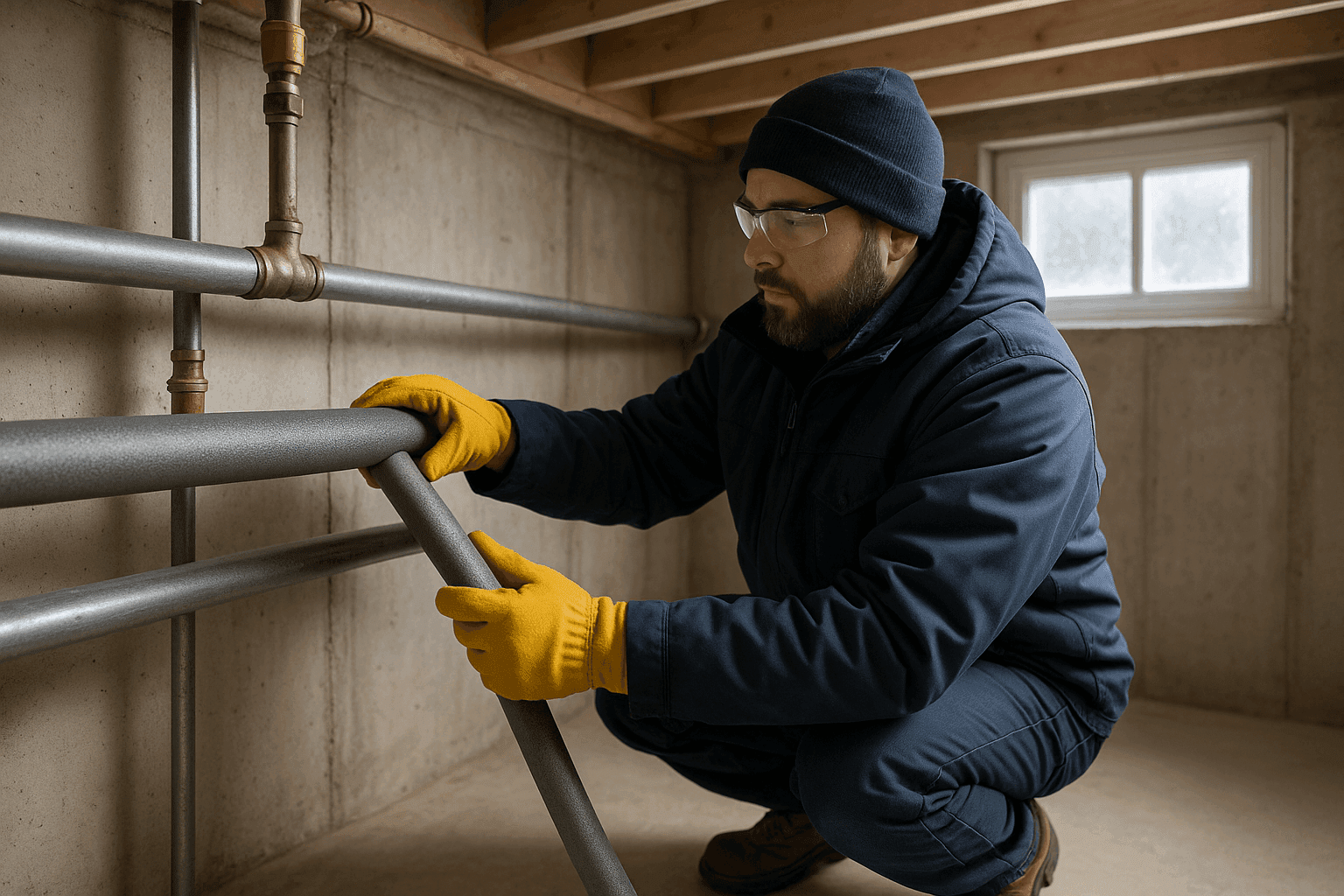
Winter can sneak up on homeowners. One minute you’re sipping coffee, the next, you’re mopping up a cold puddle from a burst pipe. If you’ve ever dealt with frozen plumbing, you know the chaos it causes—water everywhere, disrupted routines, and costly repairs. That's why understanding how to protect your pipes is crucial, no matter where you live.
At Expert Plumbing, we’ve helped families across every climate handle emergencies. Our licensed team knows what works—and what doesn’t—when the temperature drops. Here’s a clear, practical guide that can save you a headache (and your wallet) this winter.
Why Pipes Freeze
Pipes are like silent sentinels running through your home. But when temperatures plummet—especially below 32°F (0°C)—the water inside can freeze. As it turns to ice, it expands, building pressure until even the toughest metal or plastic gives way.
Some pipes freeze faster than others:
- Uninsulated pipes in unheated spaces: garages, basements, crawlspaces, attics.
- Exterior wall pipes: Even inside, if they’re up against a chilly wall.
- Outdoor spigots and supply lines: Not just for garden hoses.
- Older or poorly installed pipes: Thin copper, galvanized steel, or PEX lines without protection.
In many homes, it’s these hidden, forgotten stretches of pipe that are most at risk. And it’s not just snowbelt states. Sudden temperature swings, wind chill, or poor insulation can cause freezing surprises even in milder climates. 🧊
Warning Signs to Watch For
A frozen pipe rarely announces itself politely. Instead, look for these red flags:
- Sudden loss of water flow—or just a trickle instead of a stream.
- Unusual noises: clanking, banging, or ticking behind the walls.
- Frost or condensation on exposed pipes.
- Damp patches, water stains, or bulging drywall.
- Strange odors from drains or faucets (ice can block venting, sending smells backward).
If you spot these signs, act fast. The longer a pipe stays frozen, the greater the risk of a rupture and full-blown water damage.
DIY Insulation Tips
You don’t need to be a master plumber to protect your pipes. A few simple steps can make a world of difference:
1. Insulate Exposed Pipes
- Use foam pipe sleeves or wrap insulation (available at hardware stores).
- Focus on pipes along exterior walls, in basements, crawlspaces, and attics.
- For tight spots, even wrapping with old towels and securing with tape helps in a pinch.
2. Safe Use of Heat Tape
- Heat tape (UL-listed, thermostat-controlled) can keep pipes above freezing.
- Always follow manufacturer instructions—never overlap tape or plug multiple tapes into one another.
- Check cords for fraying or damage before use. Safety first!
3. Seal the Leaks
- Seal cracks and gaps around doors, windows, and foundations that let cold air in.
- Use expanding foam or caulk for gaps near pipes.
4. Keep Heat Consistent
- Don’t let your thermostat dip below 55°F (13°C), even if you're away.
- Open cabinet doors under sinks to let warm air reach pipes.
5. Let Faucets Drip
- Leave the coldest tap in your house running at a slow trickle on frigid nights.
- Moving water is less likely to freeze.
Small steps, big payoff.
What to Do if Pipes Freeze
It happens. Don’t panic—just follow these steps:
- Turn off the main water supply immediately. Know where your emergency shut-off valve is located.
- Open all faucets to relieve pressure and allow water (and steam) to escape as pipes thaw.
- Gently warm the frozen section: use a hair dryer, portable space heater, or warm towels. Start closest to the faucet and work backward.
- Never use an open flame or blowtorch—serious fire hazard.
- Inspect pipes for cracks or leaks as they thaw. If you spot damage, call for emergency plumbing help right away.
If you can’t locate the frozen spot—or the pipe is inside the wall—call a licensed plumber. Fast action can prevent a minor freeze from turning into a major flood. 🚨
Professional Winterization Services
Sometimes, it’s smarter to call in the pros—especially if:
- Your home has a history of frozen or burst pipes.
- You travel frequently or leave your home unattended in winter.
- You’re unsure about your plumbing layout or insulation quality.
Licensed plumbers can provide:
- Full-home plumbing inspections, including hard-to-reach pipes.
- Professional-grade insulation and heat tape installation.
- Safe, code-compliant solutions for water shut-off and drain-down.
- Backflow prevention checks and repairs.
- Emergency plumbing response if a pipe bursts.
According to the International Plumbing Code (IPC) and local building guidelines, proper pipe protection isn’t just smart—it’s required by law in many areas.
Pipe Types at Risk
Not all pipes are created equal. Here’s what you should know:
- Copper pipes: Conduct the cold quickly and can split along long seams.
- PVC and PEX: More flexible, but still break under extreme pressure.
- Galvanized steel: Strong, but corrosion can lead to weak spots that fail when frozen.
Older homes with mixed pipe materials need extra vigilance. If you’re not sure what’s behind your walls, an inspection before deep winter is a wise move.
Emergency Shut-Off Steps
Knowing how to act in a crisis can save thousands in repairs:
- Locate your main water shut-off valve. (Usually in the basement, crawlspace, or near the street.)
- Turn it clockwise to close. This stops new water from entering your system.
- Open all faucets to drain lines.
- Shut off your water heater (especially electric models) to prevent damage.
Keep a flashlight and basic tools handy—don’t fumble in the dark when minutes count.
DIY vs. Call a Pro
When DIY Works
- Wrapping and insulating pipes you can see.
- Sealing up drafts and cracks.
- Letting faucets drip on cold nights.
When to Call a Licensed Plumber
- You suspect pipes have already frozen but can’t access them.
- You find leaks, cracks, or water stains.
- Installing or replacing heat tape safely.
- Winterizing a vacant property or complex plumbing system.
A professional brings tools and experience. They know where hidden pipes run, follow building codes, and spot trouble before it starts.
Preventative Maintenance
A few habits go a long way:
- Schedule annual plumbing inspections before winter sets in.
- Add pipe insulation as part of your fall home checklist.
- Flush and maintain your water heater—sediment buildup can cause pressure issues in winter.
- Check sump pumps, backflow preventers, and shut-off valves for smooth operation.
- Ask about water filtration systems that won’t clog and freeze.
Think of it as a tune-up for your home’s circulatory system.
Costs & Time Factors
- DIY insulation: Most materials cost $1–$3 per foot; a typical home takes a weekend to finish.
- Professional winterization: More thorough, often done in a few hours for most homes.
- Emergency burst pipe repairs: Can range from a minor fix to major reconstruction—repairs and damage restoration add up quickly.
Prevention is almost always cheaper than repair.
When It’s an Emergency
If you find water pouring from a ceiling, walls, or floor, it’s time to act—immediately:
- Shut off water at the main valve.
- Move valuables and electronics out of the area.
- Call for emergency plumbing help—delays mean more damage.
- Document damage for insurance with photos.
Water moves fast. The sooner you respond, the less you lose.
Local & Seasonal Considerations
Not all winters are the same. In cold climates, deep freezes are a given—insulation is a must. In milder areas, pipes may be less protected, making a surprise cold snap especially dangerous.
If you’re in a “borderline” climate, don’t get caught off guard. Check the year’s weather outlook and be ready to act if forecasters predict a big chill. 🏠
Frequently Asked Questions
How cold does it have to get for pipes to freeze?
Water can freeze at 32°F (0°C), but most homes see problems when temps dip below 20°F (-6°C) for several hours—especially in unheated spaces.
Will letting faucets drip really help?
Yes. Running water doesn’t freeze as easily. Even a slow trickle can relieve pressure and prevent ice blockages.
Can I use a space heater or hair dryer on frozen pipes?
Yes, but only if you can see the pipe and there’s no standing water nearby. Never leave the heater unattended, and never use open flames.
Should I turn off water if I leave town in winter?
Absolutely. Shut off the main valve and drain pipes, or have a plumber winterize the system—especially for long trips.
Don't wait for a plumbing emergency to strike. Protect your home and your peace of mind this winter. For emergency plumbing help or to book a winterization service,
Call Expert Plumbing now — or reach us anytime at 877-837-7735 .