Cost Guide: Average Prices for Common Plumbing Repairs
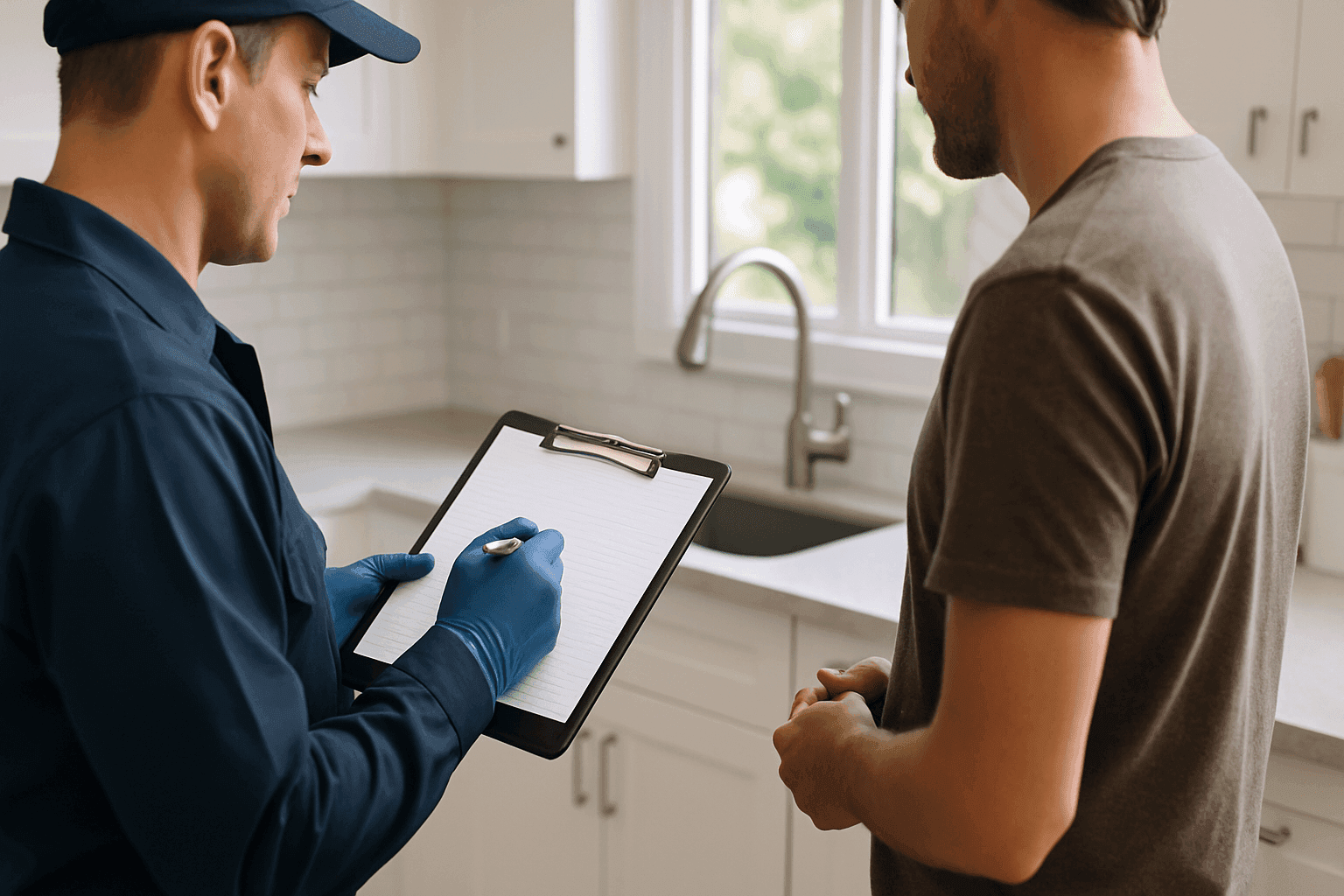
Every homeowner dreads the drip under the sink, the toilet that won’t stop running, or that sudden gurgle from the basement. Plumbing problems don’t wait for payday, and they rarely pick a convenient hour. When you need emergency plumbing, knowing what repairs cost helps you breathe easier—and plan ahead.
At Expert Plumbing, we’re here to shine a light on the real numbers. No surprises. No smoke and mirrors. Just what you need to know to budget for common repairs and make smart choices for your home.
What Affects Plumbing Costs? 💧
Picture plumbing repairs like fixing a car—some issues are a quick tune-up, others mean opening the hood. Costs aren’t just about the part that’s broken; several factors influence the final bill:
- Type of repair: Fixing a leaky faucet is different from replacing a sewer line.
- Time of service: Nights, weekends, and holidays can bump up prices.
- Location: Urban areas may see different rates than rural or remote spots. Travel time matters.
- Severity and urgency: An urgent gas leak isn’t priced like a routine pipe replacement.
- Materials and parts: Copper pipes, specialty valves, or new fixtures can add up.
- Labor: Licensed, insured plumbers command higher (and safer) rates than unlicensed handymen.
- Access: Hard-to-reach pipes behind walls or beneath concrete take longer and cost more.
The U.S. Bureau of Labor Statistics estimates that plumbing costs rise 3–5% annually, so what you paid last year may differ today.
National Price Ranges by Repair Type
It’s tough to pin down exact numbers without seeing your job, but here’s what most residential repairs cost across the country:
Pipe Repair
- Minor leak (visible, accessible): $150–$350
- Major burst or underground pipes: $500–$2,500+
- Pipe Installation or Repiping: $1,500–$5,000 depending on home size and pipe material
Toilet Repairs
- Simple fixes (flapper, handle, fill valve): $100–$250
- Unclogging toilets: $120–$275
- Replacing a toilet: $250–$600 (includes standard labor and disposal)
Leak Detection & Repair
- Leak detection (specialized equipment): $150–$400
- Slab leak repair: $500–$4,000 (varies by location and extent)
Water Heater Service
- Water heater repair: $150–$700
- Water heater installation: $1,000–$3,500 (tank vs. tankless, capacity, gas/electric)
Gas Line Installation Near You
- New gas line (short run): $350–$850
- Full home gas line installation: $2,000–$6,000+
- Gas safety checks: $75–$200
Sewer & Drain Work
- Drain cleaning: $130–$400
- Sewer line inspection (camera): $250–$600
- Sewer line repair/replacement: $1,500–$7,000+
- Sewer line installation: $3,000–$10,000 (length and depth matter)
Other Common Repairs
- Fixture installation (sink, faucet, showerhead): $150–$500 each
- Garbage disposal repair: $120–$400
- Sump pump repair: $250–$600
- Backflow testing and prevention: $150–$350
Figures reflect national averages from sources including HomeAdvisor, Angi, and the Plumbing-Heating-Cooling Contractors Association (PHCC), as of early 2025.
Hidden Fees & How to Avoid Them 🕵️
Few things sting like a bill that’s higher than you expected. Here’s what to watch for:
- Service call or diagnostic fee: Most plumbers charge $50–$150 just to assess the problem.
- After-hours/holiday surcharges: Emergency plumbing at 2 a.m. or on Christmas? Expect a 1.5–2x rate.
- Mileage/travel: Remote or rural areas may see extra charges for travel time.
- Disposal fees: Old fixtures or debris removal can add $25–$100.
- Permits and code compliance: Some repairs, especially gas or sewer work, require city permits (usually $50–$300).
How to Sidestep Surprises
- Ask for a written, itemized estimate before work begins.
- Clarify if the price includes labor, materials, and disposal.
- Check if permits are needed—and who pulls them.
- Confirm the plumber is licensed and insured (in most states, this is mandatory for gas, sewer, and major water work).
When to Choose Emergency Service 🚨
Sometimes, waiting isn’t an option. Emergency plumbing means calling for help right away, often outside regular hours. Here’s when you should pick up the phone—no hesitation:
- Major leaks or flooding: Water can ruin floors, walls, and electrical systems within minutes.
- Gas leaks: If you smell rotten eggs or hear a hissing sound, get out and call emergency services, then your plumber.
- Sewer backups: Raw sewage is a health hazard and needs immediate attention.
- No water: If your home loses water supply unexpectedly, especially in winter.
Emergency plumbing rates are higher (sometimes double), but the cost of waiting can be far worse—from structural damage to mold growth.
How to Get Accurate Estimates
A phone quote is a starting point, not a guarantee. For the clearest picture:
- Describe the problem clearly: Note when it started and any changes.
- Send photos or videos if possible: Many companies can give a ballpark range this way.
- Ask about minimums: Some jobs have a base rate, even if finished quickly.
- Get it in writing: Reputable plumbers provide written estimates and invoices.
- Check credentials: Licensed, insured plumbers protect you from liability and ensure work meets building codes.
The International Association of Plumbing and Mechanical Officials (IAPMO) and your local building department are good sources for code requirements.
Local and Seasonal Nuance 🌧️
Where you live—and when you call—changes the price. Here’s how:
- Remote and rural areas: Expect higher rates due to travel and limited competition.
- Big cities: Labor may cost more, but supply houses are closer, so materials could be cheaper.
- Winter emergencies: Frozen pipes, burst lines, and no-heat calls spike after the first freeze, often with extra charges.
- Holiday surcharges: Thanksgiving, New Year’s Eve, and weekends mean fewer techs on call, so rates go up.
- Older homes: Outdated pipes and fixtures can mean more time, specialized tools, and higher costs.
Planning routine maintenance in spring or fall—not winter—often saves money and stress.
Practical Tips for Homeowners
- Know your shut-off valves. In a leak or burst, shutting water off fast can limit damage.
- Do small maintenance: Tighten loose fixtures, clear minor clogs, and replace worn washers.
- Schedule regular inspections: Annual checkups can catch issues before they become emergencies.
- Compare rates, but don’t just chase the lowest bid: Unlicensed work can cost more in the long run.
FAQ
Do I really need a licensed plumber?
Yes—especially for gas line installation, sewer work, or anything requiring a permit. Licensing means the plumber has passed exams, carries insurance, and follows code. It’s about safety, not just paperwork.
Will insurance cover my plumbing repair?
Sometimes. Sudden, accidental damage (like a burst pipe) is often covered by homeowners insurance. Gradual leaks or wear and tear usually aren’t. Check your policy or talk to your agent.
How long do plumbing repairs take?
Simple fixes (toilet clogs, faucet swaps) may take 1–2 hours. Major repairs (re-piping, sewer line work) can last a day or more, depending on access and permitting.
Can I save money by buying my own parts?
Maybe, but quality matters. Plumbers often guarantee the parts they supply. If you buy your own and it fails, you could pay twice—once for the part, once for new labor.
The Bottom Line
Plumbing problems can be stressful, but surprises on your bill shouldn’t be. By understanding what drives costs, asking the right questions, and choosing licensed, insured pros, you’ll keep your home safe—and your wallet steady.
Call Expert Plumbing now — or reach us anytime at 877-837-7735 .