Essential Plumbing Maintenance Checklist for Every Home
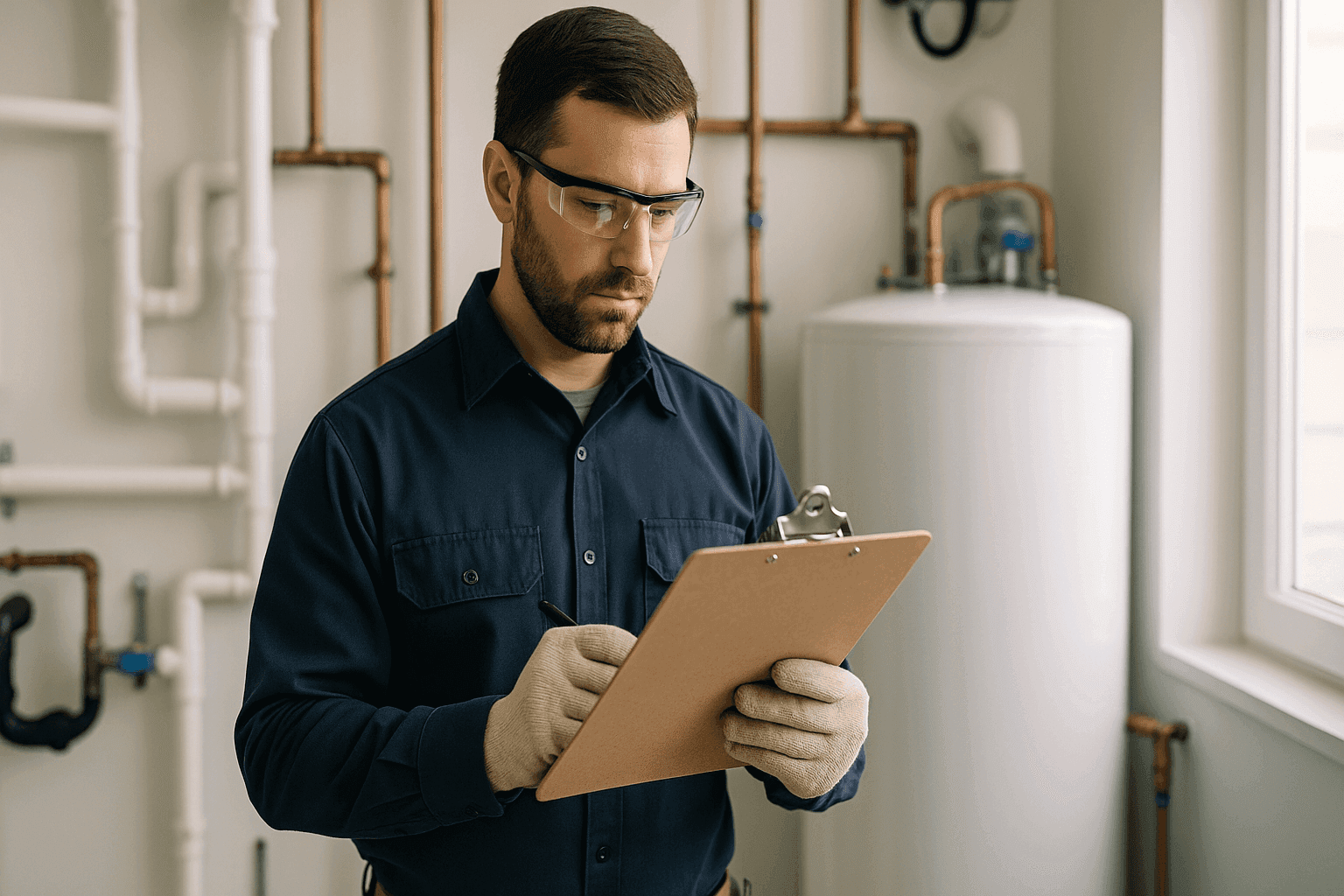
Plumbing rarely crosses your mind—until something goes wrong. A slow drip, a sudden burst, an ice-cold shower. Emergencies never wait for a convenient time. That’s why a little attention now can save you from a flood of headaches later.
At Expert Plumbing, we’ve seen it all. From midnight leaks to surprise sewer backups, we know how quickly small issues can spiral into big messes. Let’s walk through the essential, season-by-season checklist every homeowner needs to keep plumbing running smooth—and emergencies at bay.
Why Maintenance Matters 🛠️
Your plumbing is like your home’s circulatory system. Pipes, valves, and fixtures work together behind the scenes, moving water in and waste out. One clog, one unnoticed leak, and the whole system feels it.
Routine maintenance helps you:
- Catch small problems before they become costly emergencies.
- Extend the life of fixtures and pipes.
- Keep water bills predictable.
- Protect your home from water damage and mold.
According to the International Association of Certified Home Inspectors, most plumbing failures can be prevented with basic upkeep. Think of it as a regular health checkup for your home.
Spring Plumbing Tasks
Fresh starts aren’t just for your closet. Spring is the perfect time to check that winter hasn’t left any hidden issues behind.
- Inspect exposed pipes for cracks or leaks. Cold weather can cause hairline splits.
- Test sump pumps. Pour a bucket of water into the pit—does it kick on?
- Check toilets for running water and silent leaks. Add a few drops of food coloring to the tank; if color appears in the bowl after 30 minutes, you’ve got a leak.
- Clean or replace faucet aerators to boost water flow.
- Look for soggy spots outside. These can signal a sewer line issue.
- Flush your water heater. This removes sediment, helping it run efficiently (and last longer).
Summer Plumbing Tasks
Summer brings heavy rains and backyard fun, but also unique plumbing challenges.
- Inspect outdoor spigots and hoses for leaks or drips.
- Clear debris from gutters and downspouts. Overflowing gutters can lead to foundation leaks.
- Check for slow drains in showers and sinks—tree roots are most active now.
- Schedule backflow prevention testing (required in many areas for safety).
- Test water pressure. Low pressure can hint at hidden leaks or buildup.
- Check for musty odors in bathrooms—signs of hidden dampness or mold.
Fall Plumbing Tasks 🍂
As temperatures drop, your pipes need extra care to avoid winter disasters.
- Drain and store outdoor hoses. Shut off exterior faucets if possible.
- Insulate exposed pipes in basements, garages, and crawl spaces.
- Schedule a sewer line inspection if you have large trees nearby.
- Check your water heater’s temperature. Set it to 120°F for safety and efficiency.
- Test your garbage disposal. Run cold water and grind ice cubes to clean the blades.
- Examine toilets and tubs for caulk and grout gaps—seal to prevent leaks.
Winter Plumbing Tasks
Frozen pipes can burst, causing catastrophic damage. Be proactive.
- Let faucets drip during extreme cold to prevent freezing.
- Open cabinets under sinks to let warm air reach the pipes.
- Check boiler and water heater function.
- Watch for signs of slow drainage—ice can cause hidden blockages.
- Know how to shut off your main water valve—practice before you need it.
- Schedule a professional Gas Safety Check if you have gas appliances.
DIY vs. Pro Maintenance 🔧
Some plumbing tasks are as simple as changing a light bulb. Others? Not so much. Here’s a quick guide:
DIY-Friendly Tasks:
- Tightening loose faucet handles.
- Cleaning aerators and showerheads.
- Unclogging minor sink blockages with a plunger.
- Inspecting visible pipes for leaks.
Call a Pro For:
- Gas Line Installation near you (always requires a licensed technician).
- Major pipe repairs or replacements.
- Boiler repair and water heater installation.
- Backflow testing (many municipalities require certified professionals).
- Sewer line inspection, repair, or installation.
- Leak detection inside walls or underground.
Remember: DIY fixes can help with the basics, but some jobs—especially anything involving gas, sewer, or hidden leaks—are best left to trained professionals.
Signs You Need a Plumber
Don’t ignore these red flags. If you notice any of the following, it’s time to call for emergency plumbing services:
- Sudden drop in water pressure.
- Persistent foul odors from drains.
- Gurgling toilets or slow drains throughout the house.
- Wet spots on floors, ceilings, or walls.
- Water heater leaks or no hot water.
- Unexplained spike in your water bill.
- Gas smell near appliances or throughout the home (evacuate immediately and call for help).
What Pros Do On Arrival 🧰
When you bring in a licensed plumber, they’ll:
- Perform a detailed inspection—sometimes with cameras for hard-to-reach pipes.
- Use leak detection tools to pinpoint trouble areas.
- Test water pressure and flow.
- Check for code compliance (especially on gas lines and new installations).
- Provide a clear rundown of issues and recommended repairs.
For gas work, expect a full safety check as per National Fire Protection Association (NFPA) codes.
Preventative Maintenance Tips
A little effort now prevents major headaches later:
- Replace old washing machine hoses with braided stainless steel.
- Install water leak alarms near water heaters and under sinks.
- Schedule annual drain cleaning to avoid buildup.
- Know where your main water shutoff is—label it for family members.
- Have routine backflow prevention and testing performed.
- Insulate pipes before the first frost, not after.
Costs & Time Factors
Plumbing maintenance doesn’t have to break the bank. Many seasonal tasks take just minutes. Hiring a pro for annual inspections, water heater service, or backflow testing can range from a few hours for simple jobs to a full day for complex repairs.
Emergency plumbing, on the other hand, often means after-hours rates and urgent materials. Proactive care is almost always more affordable than cleanup after a major leak or burst pipe.
When It’s an Emergency 🚨
If water is gushing, your basement is flooding, or you smell gas:
- Shut off the main water or gas valve immediately.
- Stay clear of electrical outlets and appliances if water is present.
- Do not attempt to repair gas lines—evacuate and call for help.
Fast response can save thousands in repairs. Keep the number for emergency plumbing services handy.
Plumbing FAQ
How often should I have my plumbing inspected?
Once a year is a good rule of thumb, especially before winter.
Is it safe to use chemical drain cleaners?
Not recommended. These can eat through pipes and harm the environment. Try a plunger or call a professional.
What causes water pressure issues?
Hidden leaks, mineral buildup, or a failing pressure regulator are common culprits.
Do I need a permit for Gas Line Installation near you?
Usually, yes. A licensed plumber will handle permits and make sure everything meets local code.
Local and Seasonal Considerations
Your maintenance needs might change based on climate and home age. In older homes, pipes may be more vulnerable to freezing and corrosion. Areas with hard water need more frequent water heater flushing and fixture cleaning to prevent buildup.
Always check with your local municipality for guidelines on backflow prevention, sewer line inspection schedules, and recommended maintenance.
Staying proactive with plumbing maintenance isn’t just about peace of mind—it’s about protecting your home, your wallet, and your family. If you spot trouble or want expert eyes on your system, don’t hesitate to reach out.
Call Expert Plumbing now — or reach us anytime at 877-837-7735 .