Pipe Repair vs. Repiping: How to Decide What’s Best for Your Home
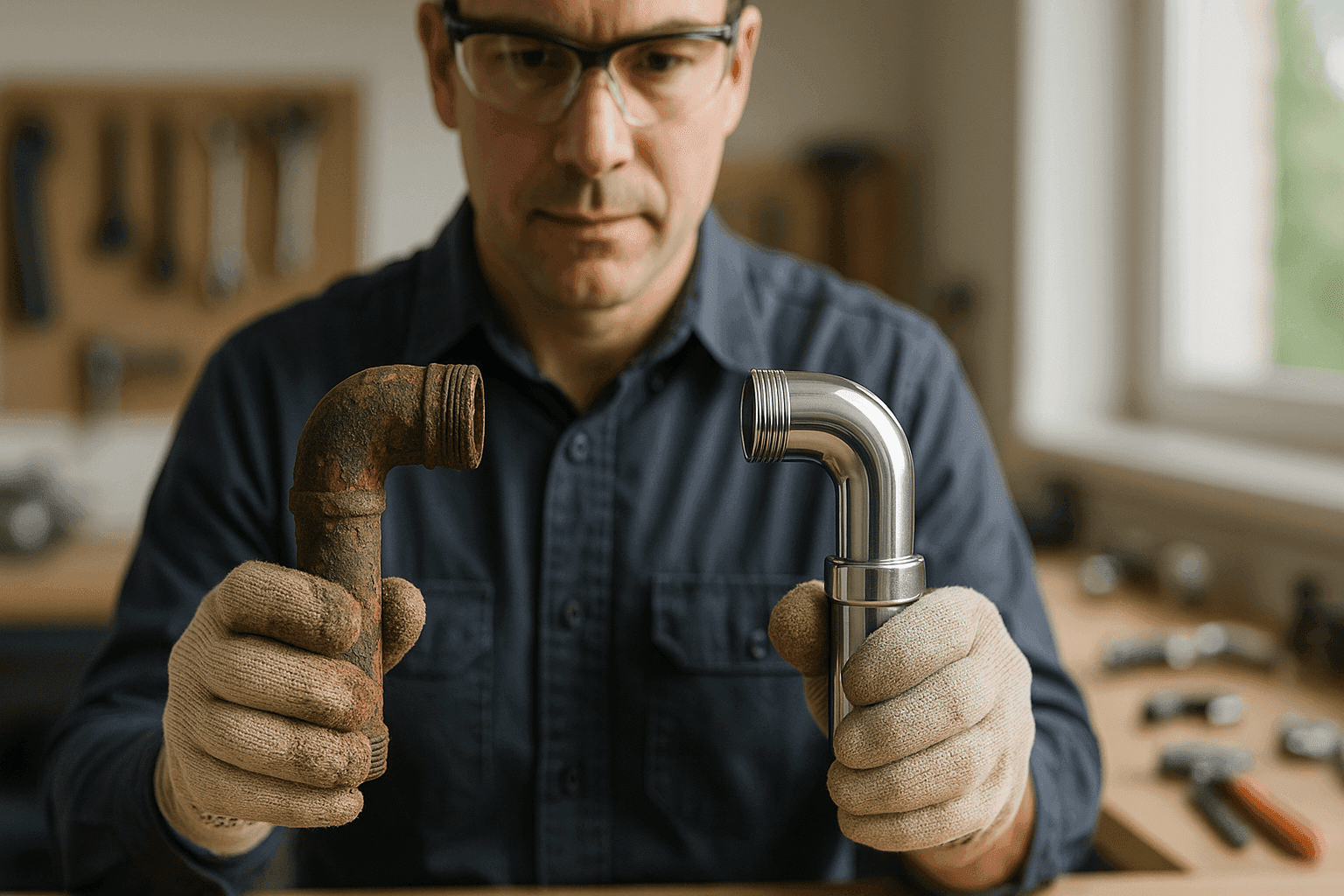
Every homeowner dreads the sound of dripping water behind the wall or the sudden appearance of a ceiling stain. Sometimes, it’s just a tiny leak. Other times, it’s the tip of a rusty iceberg. You want solutions, not panic. And you want the right fix, not just a quick patch.
At Expert Plumbing, we understand the stress of plumbing problems. Whether you need a simple pipe repair or a full repipe, making the right choice now can save you time, money, and headaches later.
Signs Your Pipes Need Attention 🛑
Not all plumbing issues shout for attention—some whisper. Here’s how to catch them before they become disasters:
- Frequent Leaks: If you’re calling for leak repair every few months, your pipes may be waving a white flag.
- Discolored Water: Brown, yellow, or cloudy water points to corrosion or rust inside your pipes.
- Drop in Water Pressure: A sudden drop could mean a clog, buildup, or failing pipe.
- Odd Noises: Pipes should be quiet. Banging, whistling, or gurgling are warning signs.
- Visible Corrosion: Green, white, or flaking on exposed pipes means trouble.
- Water Stains or Mold: Unexplained stains on walls, ceilings, or floors hint at hidden leaks.
If you recognize even one of these, it’s time to take a closer look.
Repair Options & Costs
So what’s next—patch the problem or overhaul the plumbing? Here’s what’s on the table:
Pipe Repair
Think of pipe repair as putting a patch on your favorite jeans. It’s fast and targeted.
- Spot Repairs: Fixes leaks or cracks in a small section.
- Clamps and Epoxy: Quick solutions for accessible pipes.
- Pipe Relining: Inserts a liner into the pipe—less invasive, but not always possible.
Costs: Repairs can range from $150 to $1,000 or more, depending on the location and severity. Emergency plumbing calls, after-hours, or weekend service may add to the bill.
Repiping
Full repiping is like getting a new wardrobe. When the fabric of your plumbing is worn out, starting fresh is safer.
- Whole-Home Repiping: Replaces old pipes with modern materials. Stops recurring leaks and improves water quality.
- Partial Repiping: Just the kitchen, bathroom, or a specific area.
Costs: Repiping a home ranges from $4,000 to $15,000+, influenced by home size, pipe material, and local code requirements. While this is a major project, it usually comes with a longer lifespan and fewer future worries.
Tip: Always ask your licensed plumber about warranties on materials and labor.
When Repiping Is the Smarter Choice
Some pipes are like old shoes—they’ve seen too many miles. Here’s when repiping makes more sense:
- Multiple Leaks: If you’re playing whack-a-mole with leaks, the system is failing.
- Old Pipe Materials: Homes built before 1970 often have galvanized steel or even lead pipes. These are unsafe and prone to failure.
- Severe Corrosion: If pipe walls are thinning out, a patch won’t hold.
- Major Renovations: If you’re remodeling, it’s smart to update plumbing at the same time.
- Water Quality Issues: Persistent rust, strange smells, or metallic tastes aren’t fixed with a simple repair.
Code Reference: The Uniform Plumbing Code and local building codes may require updates if pipes are unsafe or noncompliant.
Material Comparisons 🧰
Choosing the right pipe is as important as the fix itself. Here’s how popular materials stack up:
- Copper: Lasts 50+ years, resists bacteria, but can corrode from acidic water.
- PEX (Cross-linked Polyethylene): Flexible, easy to install, freeze-resistant, 40–50 year lifespan.
- CPVC (Chlorinated Polyvinyl Chloride): Affordable, good for hot water, 40–50 year lifespan.
- Galvanized Steel: Once standard, now outdated. Prone to rust, lasts 20–50 years.
- Lead: Banned for decades. Dangerous—replace ASAP.
Pro Tip: Ask about water filtration systems if you’re updating old pipes.
Local Nuance: Old vs. New Construction
In some neighborhoods, pipes are as old as the homes themselves. That means:
- Older Homes: Likely to have outdated materials and hidden corrosion. Repiping may be safer long-term.
- Newer Homes: Modern materials, but repairs may be needed for accidental damage or installation mistakes.
- Seasonal Factors: Cold climates put pipes at risk for freezing and bursting. Preventative maintenance is key in winter.
The Role of Licensed Plumber Consultation
Not every leak needs a sledgehammer solution. A licensed plumber can:
- Use advanced leak detection tools—saving time and avoiding unnecessary wall cuts.
- Assess water pressure and quality for hidden risks.
- Review your plumbing with a camera for sewer line inspection.
- Advise on code compliance, especially for gas line installation near you.
A professional’s eye can spot dangers you might miss—and ensure the fix is done right.
Warranty Info: What to Ask
Before you commit, ask these questions:
- What’s covered? Materials, labor, or both?
- How long does the warranty last?
- Are there maintenance requirements for the warranty?
Clear answers now prevent headaches later.
Quick Safety Checklist 📝
- Know where your main water shutoff is.
- Shut off water if you see an active leak.
- If you smell gas, leave immediately and call emergency services.
- Never ignore water stains or ceiling bulges.
- Don’t use DIY patch kits for major leaks—call for emergency plumbing help.
Making a Cost-Effective Decision
Let’s make this simple:
- Minor, isolated leaks: Repair may be best.
- Frequent, widespread leaks or old pipes: Repiping is a smart investment.
- Concern about water safety: Lean toward repiping and new materials.
Remember, delaying repairs can mean water damage, mold, and even higher bills.
FAQ: Pipe Repair & Repiping
Q: How do I know if my pipes are too old?
A: If your home is 50+ years old and you’ve never replaced the pipes, it’s time for a professional inspection.
Q: Will my water be off during repairs?
A: For repairs, expect a few hours. For full repiping, water may be shut off for days. Your plumber will explain timing.
Q: Is pipe replacement messy?
A: Repiping can involve opening walls and ceilings, but pros minimize mess and handle cleanup.
Q: What about insurance?
A: Homeowners insurance may cover sudden pipe bursts but not gradual wear. Check your policy.
Practical Tips for Homeowners
- Schedule annual plumbing checkups—small issues grow fast.
- Install water leak detectors near appliances and in basements.
- In freezing climates, insulate exposed pipes before winter.
- Ask about backflow prevention and testing if you have an irrigation system.
Reference: The International Association of Plumbing and Mechanical Officials (IAPMO) offers guidelines for plumbing safety.
Final Thoughts
In the end, it’s not just about pipes. It’s about your home, your comfort, and your peace of mind. Don’t let uncertainty turn a small drip into a costly flood.
Call Expert Plumbing now — or reach us anytime at 877-837-7735 .