Kitchen Plumbing Problems: Troubleshooting Common Issues
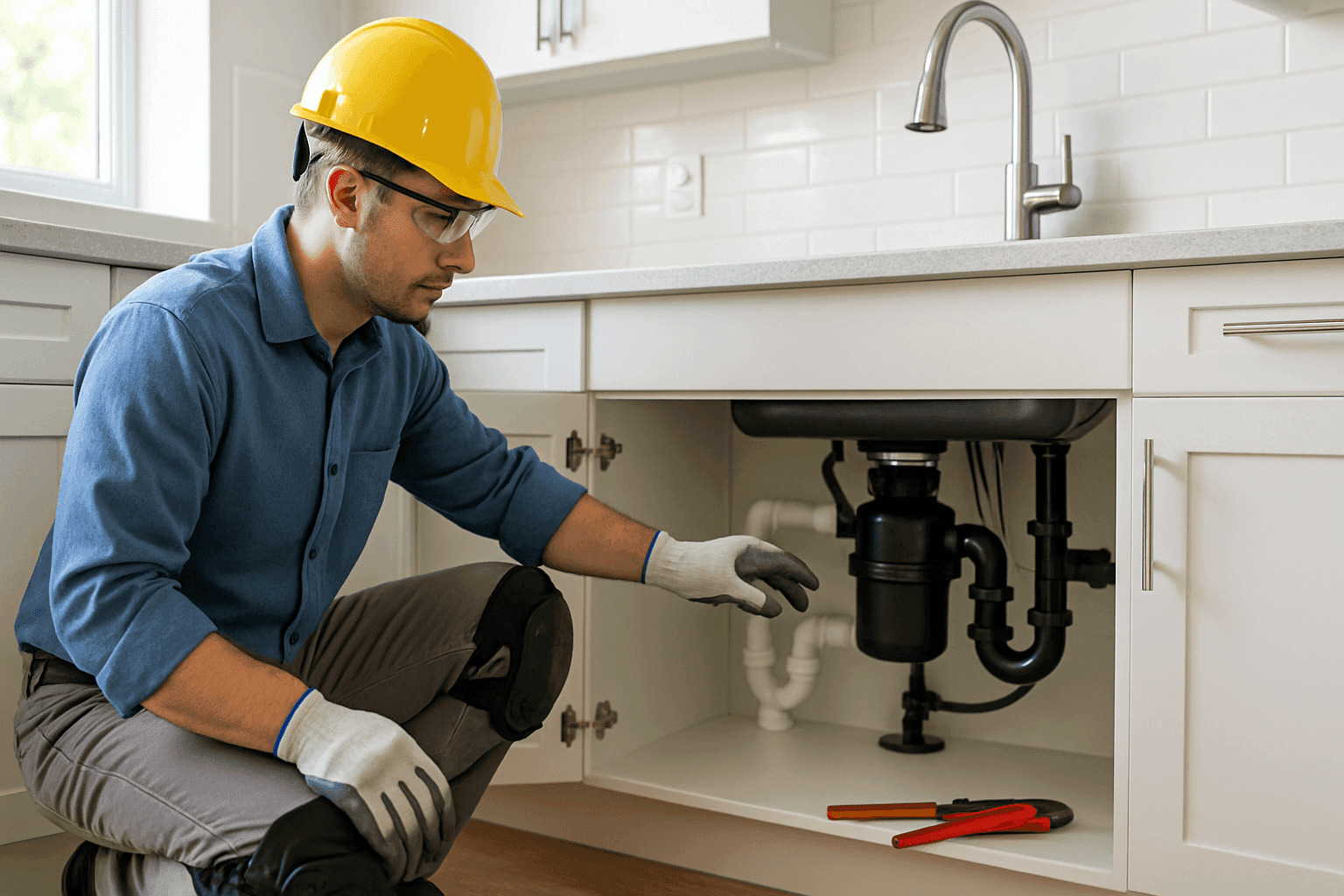
Does your kitchen sound like a leaky faucet at midnight? Maybe you’ve noticed water pooling where it shouldn’t, or a garbage disposal that groans but won’t grind. Kitchen plumbing problems never arrive at a convenient time. They demand attention—and sometimes, fast action.
At Expert Plumbing, we know residential plumbing inside and out. Our team handles everything from pipe repair to emergency plumbing calls, helping homeowners keep their kitchens running smoothly. If you’ve hit a snag with your kitchen sink, faucet, or disposal, you’re in the right place.
Diagnosing Sink Leaks 🛠️
A leaky kitchen sink isn’t just an annoyance. Over time, even a slow drip can soak cabinets, warp wood, and feed mold. Sink leaks often hide in plain sight—sneaky as a raccoon in the night.
Common Leak Sources
- Faucet connections: Drips or puddles near the handles.
- P-trap: The curved section under the sink. Joints can loosen or crack.
- Supply lines: Flexible hoses that feed hot and cold water. They can deteriorate or come loose.
- Sink drain: The basket strainer can develop worn-out seals.
How to Check for Leaks
- Dry Run: Wipe everything dry under the sink.
- Fill & Test: Fill the sink, then release the water while watching underneath.
- Feel Around: Use a dry paper towel to check joints and hoses for moisture.
If you spot water but can’t find the source, it might be a slow leak that only appears with heavy use. Don’t ignore it—water damage multiplies over time.
Garbage Disposal Issues
Garbage disposals are like the unsung heroes of the kitchen—until they stop working. If your disposal hums but doesn’t spin, or if it’s completely silent, something’s off.
Troubleshooting Steps
- Jam: Turn off the disposal. Use the hex key tool (usually stored under the sink) to manually free the blades. Never stick your hand inside.
- Reset: Press the red reset button on the bottom of the unit.
- Power: Check if the outlet’s GFCI has tripped.
Safety Warning
Always cut the power before investigating a garbage disposal. According to the Consumer Product Safety Commission, serious injuries can occur if the unit is powered on unexpectedly.
Faucet and Sprayer Fixes
A dripping faucet isn’t just a sound problem—it’s a water bill problem. A single drip can waste gallons a day.
Quick Fixes
- Tighten handles: Sometimes a loose handle is the culprit.
- Replace washers: Worn washers or cartridges are the usual suspects in drippy faucets.
- Check sprayer hoses: If your side sprayer leaks, inspect the hose for cracks or loose fittings.
If tightening or swapping a washer doesn’t fix things, the issue may be deeper in the fixture.
Preventing Future Problems 🌱
An ounce of prevention is worth a pound of pipe repair. Simple habits can keep your kitchen plumbing healthy.
- Avoid pouring grease down the drain—it solidifies and clogs pipes.
- Run cold water while using the disposal to flush debris.
- Check under the sink monthly for signs of moisture.
- Use mesh drain strainers to catch food scraps.
The International Association of Certified Home Inspectors recommends regular visual checks and prompt attention to any signs of leaks.
Quick Safety Checklist
- Shut off water supply before repairs.
- Unplug appliances before inspecting.
- Never mix chemical drain cleaners—dangerous fumes can result.
- Wear gloves and eye protection for any hands-on work.
- If you smell gas, leave the area and call for emergency plumbing services.
DIY vs. Call a Pro
Some kitchen plumbing problems are safe for DIY. Others demand a trained hand.
Safe to DIY
- Tightening fittings under the sink.
- Replacing faucet washers or cartridges.
- Clearing simple clogs with a plunger.
Call a Pro For
- Persistent leaks you can’t locate.
- Garbage disposals that won’t reset.
- Water pooling under the sink with no clear source.
- Gas Line Installation near you or any suspected gas leak.
- Signs of mold, warped cabinets, or drain smells.
Remember: It’s cheaper to call for help early than to repair water or mold damage later.
What Pros Do On Arrival
When our plumbers arrive, they don’t just look—they listen, test, and investigate.
- Inspect all joints, supply lines, and shutoff valves.
- Use moisture meters and leak detection tools.
- Test garbage disposal and check for electrical faults.
- Recommend repairs or replacement as needed, always following local plumbing codes.
Our team always follows up with advice to help prevent a repeat issue.
Prevention & Maintenance
Regular care keeps your kitchen from turning into a plumbing disaster zone.
- Annual inspections: Have a plumber check all under-sink fittings and shutoff valves.
- Backflow prevention: Protect your home from contaminated water.
- Water filtration systems: Reduce mineral buildup in pipes and fixtures.
- Preventative maintenance: Schedule periodic drain cleaning and leak detection.
Refer to guidelines from the International Plumbing Code for best practices in home plumbing maintenance.
Costs & Time Factors
Kitchen plumbing repairs range from a quick fix to a multi-hour project. Here’s what to expect:
- Simple repairs: Replacing a washer or tightening a fitting can take 10–30 minutes.
- Garbage disposal swaps: Usually under an hour, barring electrical issues.
- Leak repair: Depends on access, pipe material, and extent of water damage.
Labor and parts vary by region and project complexity. Emergency plumbing calls after hours or on holidays may involve higher service fees.
When It’s an Emergency 🚨
Some kitchen plumbing problems can’t wait.
- Gushing water from a burst pipe.
- Backed-up sink with sewage odor.
- Suspected gas leaks (leave the home immediately).
- No water flow at all.
In these cases, shut off your main water valve and call for emergency plumbing services right away.
FAQ
Why does my kitchen sink smell bad?
Odors often come from food debris trapped in the drain or disposal. Regular cleaning helps. If smells linger, the vent could be blocked or there may be a deeper clog.
How can I tell if my garbage disposal is broken or just jammed?
If the disposal hums but blades don’t spin, it’s likely jammed. If it’s silent and won’t reset, it may need repair or replacement.
What’s the best way to prevent kitchen clogs?
Don’t pour oils or coffee grounds down the drain. Use a drain strainer and run hot water after each use.
Can I use chemical drain cleaners?
Chemical cleaners can damage pipes, especially old metal or PVC. They also pose safety risks. Physical methods (plunger, snake) are safer.
Local/Seasonal Considerations
Colder months can bring unique challenges. Pipes near exterior walls are more likely to freeze and burst. In humid climates, under-sink areas may be more prone to mold growth. If your area sees heavy rains, check sump pumps and ensure all drains are clear to prevent backups.
If you’re in need of emergency plumbing, pipe repair, or Gas Line Installation near you, our team is on call 24/7 to tackle any kitchen plumbing challenge.
Call Expert Plumbing now — or reach us anytime at 877-837-7735 .