How to Unclog a Toilet: Step-by-Step Homeowner Guide
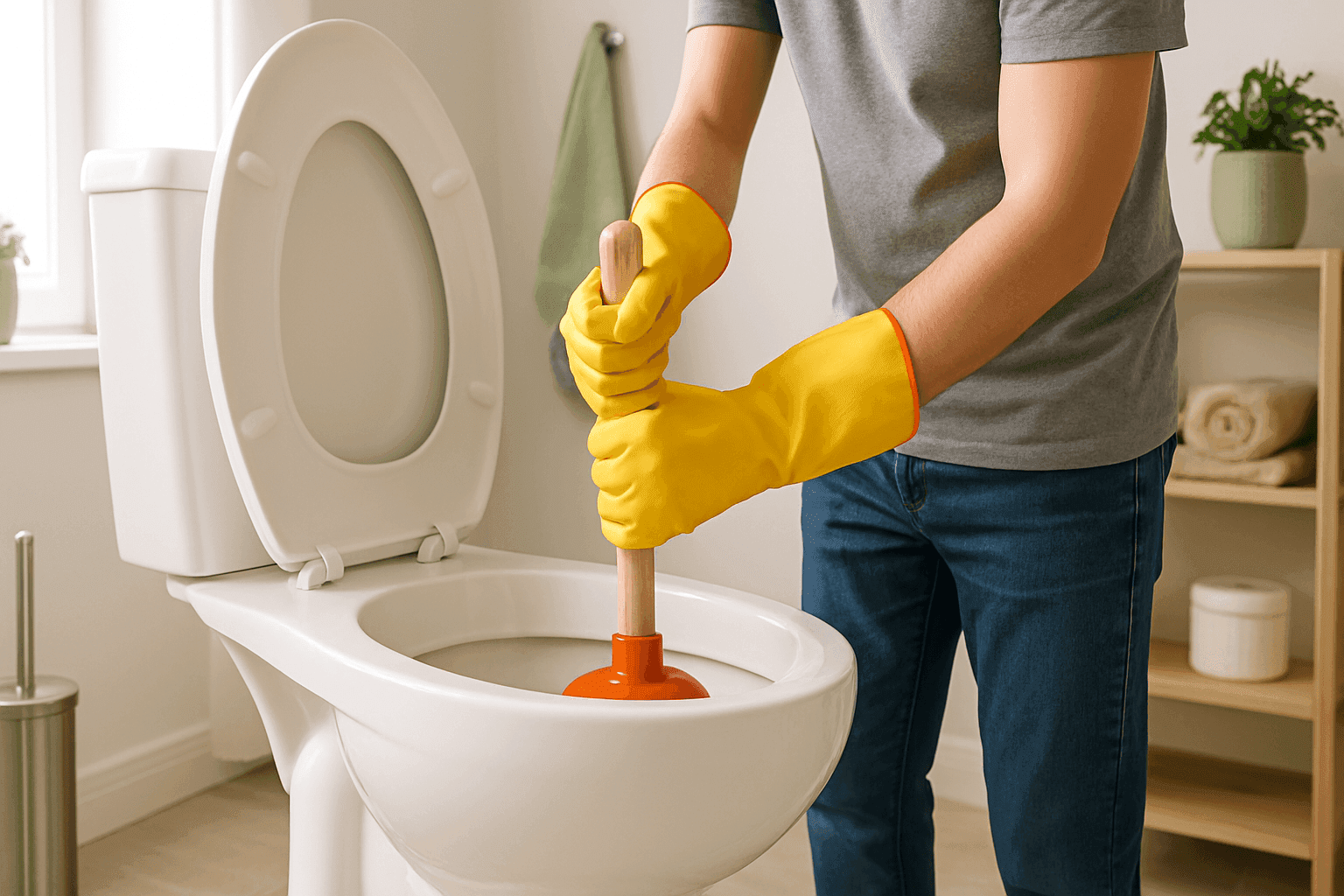
You hear that dreaded gurgle. The water’s rising, nerves are tightening, and suddenly you’re standing in front of a clogged toilet—maybe right before guests arrive. If you’re reading this, you’re not alone. At Expert Plumbing, we’ve helped thousands of homeowners navigate these moments, from minor clogs to full-blown emergencies.
This guide is your resource for tackling toilet clogs with confidence. You’ll learn why toilets clog, which tools and methods work best, what to avoid, and the habits that keep plumbing problems at bay. Most importantly, you’ll know when it’s time to call emergency plumbing help near you.
Causes of Toilet Clogs 🚽
Clogs rarely show up out of nowhere. Most happen for a reason—and a little detective work now can save you headaches later.
- Too Much Toilet Paper: Even “flushable” wipes can create blockages. Large wads of paper or thick wipes swell and snag inside pipes.
- Non-Flushable Items: Kids’ toys, feminine hygiene products, cotton swabs—none of these belong in your plumbing. Even small items can block a bend.
- Hard Water Build-Up: Minerals from hard water gradually narrow pipe openings, making clogs more likely.
- Aging or Damaged Pipes: Older homes often have pipes with rough interiors or partial collapses, especially if repiping hasn’t been done in decades.
- Low-Flow Toilet Issues: Some efficient models don’t provide enough force to clear waste, especially during heavy use.
- Holiday or Party Surges: Extra guests mean more flushes, more paper, and a higher risk of a clog—right when you need your plumbing most.
Think of your toilet’s drain like a busy highway: add too many cars (or the wrong vehicle) and you get a traffic jam.
DIY Unclogging Tools & Methods
When it comes to unclogging, having the right tool—and knowing how to use it—makes all the difference.
Step 1: Grab a Plunger
The plunger is your first responder. For toilets, use a flange plunger (the kind with a little “sleeve” extending from the base).
- How to Use:
- Place the plunger so it fully covers the drain hole. If the bowl is too full, remove some water first (use a bucket or cup).
- Press down gently at first to get a good seal.
- Use quick, forceful pumps—about 15-20 times. The goal is to create pressure, not splash water everywhere.
- Lift the plunger and check if the water drains. If not, repeat a few more times.
Tip: Always wear rubber gloves and old clothes—splashes happen.
Step 2: Try a Toilet Auger
If plunging doesn’t work, a toilet auger (also called a closet auger) is your next best bet.
- How to Use:
- Insert the curved end gently into the toilet drain.
- Crank the handle to work the cable deeper into the clog.
- When you feel resistance, keep turning—this helps break up or snag the blockage.
- Slowly pull the auger out, then try flushing.
Step 3: Hot Water & Dish Soap (for Light Clogs)
Sometimes, a stubborn clog just needs a push.
- Pour a generous amount of dish soap into the toilet.
- Follow with a bucket of hot (not boiling) water from waist height.
- Wait 15-20 minutes, then try flushing.
Warning: Never use boiling water—it can crack porcelain.
Safety Tips
- Ventilate the Bathroom: Open a window or run the fan.
- Avoid Mixing Cleaning Products: Some combos (like bleach and ammonia) can release dangerous fumes.
- Keep Children and Pets Away: Tools and water can create slip hazards.
When to Avoid Chemical Products ⚠️
Chemical drain cleaners are tempting—just pour and wait, right? But there’s a catch (or several):
- Corrosive Risks: Many products use strong acids or lye that can eat through pipes or damage porcelain over time.
- Toxic Fumes: These chemicals can irritate skin, eyes, and lungs—especially in small bathrooms.
- Not Always Effective: If the clog is solid (like a child’s toy), chemicals won’t help.
The National Association of Home Builders and most plumbing codes recommend using mechanical tools (plungers, augers) over chemical products. In fact, some pipe warranties are voided by chemical use.
If DIY methods don’t clear the clog, it’s better to call for emergency plumbing than risk major pipe damage.
Preventative Habits 🛁
Once your toilet is flowing freely, let’s keep it that way. Good habits can prevent most future clogs.
- Flush Only Toilet Paper: Keep a small trash can nearby for wipes, cotton swabs, and feminine products.
- Limit Paper Use: Teach family and guests to use less paper, especially during parties or holidays.
- Routine Maintenance: If your home is older, schedule periodic drain cleaning or pipe inspection to catch issues early.
- Watch for Slow Drains: A slow drain is often a warning sign. Address it before a clog forms.
- Install a Water Filtration System: Reduces mineral build-up and keeps pipes cleaner (ask about Water Filtration Systems near you).
Clogs don’t have to be a regular event. A little prevention goes a long way.
Quick Safety Checklist
- Put on gloves before starting any unclogging attempt.
- Remove valuables or rugs from the area—splashes are common.
- Never flush repeatedly if the water isn’t draining; this can cause an overflow.
- Know where your main water shut-off valve is located.
- Have a bucket and towels ready in case you need to bail out water.
DIY vs. Call a Pro
Not every clog requires a plumber, but some situations do. Here’s when to try it yourself, and when to make the call:
DIY is usually safe if:
- The water isn’t rising dangerously.
- You can see the clog or know it’s paper-based.
- Plunging or augering brings results quickly.
Call for emergency plumbing if:
- The toilet overflows with every flush.
- Multiple drains in your home are backing up—this could mean a main sewer line clog.
- You hear gurgling in other fixtures (like tubs or sinks).
- DIY methods fail after several careful tries.
When in doubt, it’s better to reach out than risk water damage or sewage backups.
What Pros Do On Arrival
When you call for emergency plumbing, here’s what happens next:
- Assessment: A licensed plumber will inspect the toilet and other nearby fixtures to pinpoint the problem.
- Specialty Tools: Pros use high-powered augers or even small cameras to inspect deeper into the pipes.
- Safe Clearing: If the clog is deeper in the system, the plumber may need to remove the toilet or access the drain stack.
- Check for Underlying Issues: Sometimes, a clog reveals bigger problems—like tree roots in the sewer line or a broken pipe. Your plumber will advise if bigger repairs (like Sewer Line Repair or Repiping) are needed.
Most visits wrap up within an hour, but complex cases (heavy blockages, pipe damage) can take longer.
Prevention & Maintenance
You’ve cleared the clog. Now what?
- Regular Cleaning: Use safe, non-corrosive toilet cleaners, and avoid drop-in tank tablets (they can break down flapper valves).
- Pipe Inspection: Scheduling Sewer Line Inspection every few years can catch roots, build-up, or damage before problems start.
- Backflow Prevention: If your home has frequent clogs, ask about backflow prevention and testing.
- Upgrade Old Fixtures: If your toilet is from the last century, consider upgrading to a modern, high-efficiency model.
Preventative maintenance doesn’t just prevent clogs—it can save you from unexpected emergencies, water damage, and costly repairs.
Costs & Time Factors
Most DIY unclogging attempts take 10–30 minutes. Plungers and augers are affordable and available at any hardware store.
Calling a plumber? Time and cost can vary based on:
- Clog severity: Simple clogs are quick; deep main line blockages take longer.
- Pipe access: If a toilet or section of pipe must be removed, expect more time.
- After-hours service: Emergency plumbing rates can be higher on nights, weekends, or holidays.
- Location: Rural or remote areas may have longer wait times.
General range: Most standard toilet clogs are resolved within an hour. Deep or complex clogs may require further inspection or repairs.
When It’s an Emergency
Overflowing water, sewage backups, or sudden loss of all toilet function—these are emergencies. Here’s what to do:
- Turn Off the Water: Locate the shut-off valve behind your toilet and turn clockwise.
- Contain the Mess: Use towels to protect floors and prevent water from spreading.
- Do Not Flush Again: Repeated flushing increases the risk of overflow.
- Call for Emergency Plumbing: Fast action prevents lasting damage.
If water is flooding other fixtures, you may need to shut off your main water supply. In extreme cases, consider leaving the house until help arrives—sewage can pose health risks.
FAQ
Q: Is it safe to use a wire hanger as a DIY auger?
A: Not recommended. Hangers can scratch porcelain, snag inside pipes, or break off, making things worse. Use a proper toilet auger.
Q: Can I prevent clogs with regular drain cleaner?
A: It’s better to use mechanical methods. Frequent use of chemical cleaners can damage pipes and isn’t effective for all clogs.
Q: What if my toilet clogs every few weeks?
A: Persistent clogs may signal a larger issue—like tree roots, partial pipe collapse, or improper venting. A professional inspection is best.
Q: Should I install a new toilet if I get frequent clogs?
A: Sometimes, yes—especially with old or low-flow models. But often, the issue is within the pipes, not the toilet itself.
Local/Seasonal Considerations 🎉
Clogs are most common during holidays, parties, or family gatherings—when your plumbing gets a workout. Guests may not know your “flush only paper” rules, or extra usage pushes an older system past its limits.
- Before big events, check for slow drains or recurring issues.
- Keep a plunger in every bathroom.
- Remind guests (with a friendly sign) what not to flush.
In winter, frozen pipes can also cause unexpected toilet issues. If you suspect a blockage and temperatures are below freezing, call for help sooner rather than later.
Toilets rarely choose a convenient time to act up. Whether you’re facing a small clog or an all-out emergency, fast, safe action makes a difference. If you’re ever unsure—or if the problem’s bigger than you can handle—Call Expert Plumbing now — or reach us anytime at 877-837-7735 .