How to Unclog Any Toilet: Pro Tips for Stubborn Clogs
Ever pressed the flush and watched the water rise instead of swirling away? Heart pounding. Wondering if you’ll need to grab the mop—or the phone. You’re not alone. Stubborn toilet clogs can happen anytime, turning a normal evening into a scramble for towels.
At Expert Plumbing, we handle emergencies like these every day. With years of hands-on experience, we know exactly what works (and what just makes a mess). Here’s your clear, step-by-step guide to unclogging even the most stubborn toilet, complete with pro insights, safety tips, and advice on when to let a professional take over.
Most Effective DIY Methods 🚽
The Mighty Plunger: Your First Line of Defense
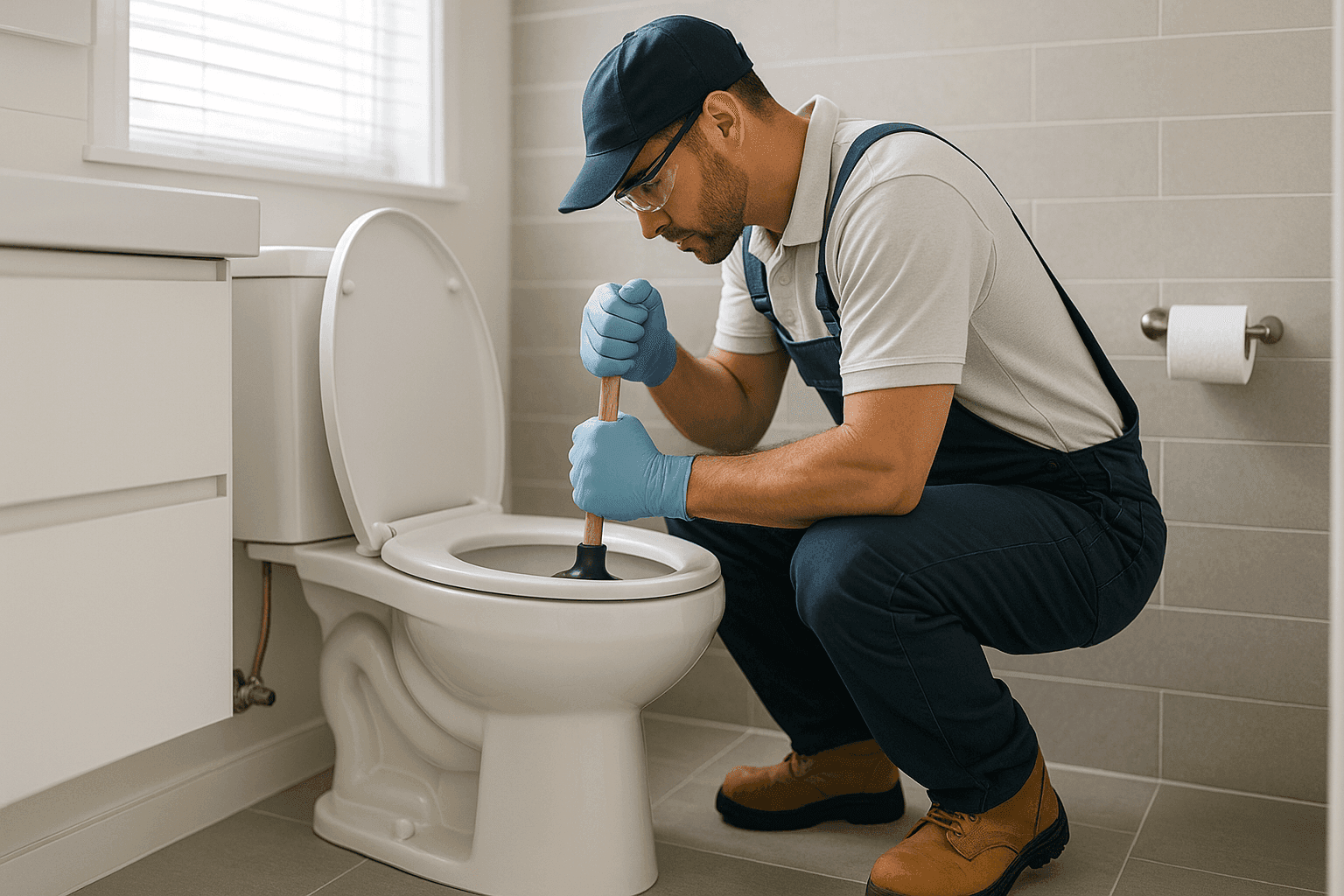
Start simple. Grab a flange plunger—the one with a bell-shaped extension at the bottom. It forms a tight seal, letting you harness water pressure, not just brute force.
How to use it:
- Place the flange snugly over the drain hole.
- Press down slowly, then pull up quickly (without breaking the seal).
- Repeat with steady, rhythmic pumps—10 to 15 times.
- If water starts to drain, give one more flush.
It’s not just about muscle. It’s about rhythm—like coaxing a stubborn cork out of a bottle.
The Plumbing Snake: For When the Plunger Fails
Still clogged? Try a toilet auger (a.k.a. plumbing snake). This flexible tool reaches deeper, breaking up or hooking anything that’s stuck in the trap.
Steps:
- Insert the tip into the drain, crank the handle gently.
- Feed the snake until you meet resistance—then rotate and push.
- Pull it out carefully, in case you snagged the blockage.
Always use a toilet-friendly auger. Never force a metal snake—porcelain cracks easily!
Hot Water & Dish Soap: The Gentle Persuasion
If you suspect a soft clog (like too much toilet paper), try this:
- Pour half a cup of dish soap into the bowl.
- Follow with a gallon of very hot (not boiling) water.
- Wait 15 minutes, then flush.
Sometimes a little patience and lubrication do what brute force can’t.
Wet/Dry Vacuum: The Last Resort
For tricky clogs that won’t budge, a wet/dry vacuum can save the day:
- Vacuum out excess water first (wear gloves and a mask).
- Place the hose deep into the drain, create a tight seal with an old towel.
- Turn on the vacuum for 30 seconds.
Warning: It can get messy, and you’ll need to clean/disinfect your vacuum thoroughly.
Pro tip: Never use wire clothes hangers or sharp objects—one slip can scratch or crack your toilet, turning a $10 fix into a full replacement.
When to Avoid Chemical Cleaners
Chemical drain cleaners promise miracles in minutes. The reality? They’re often more trouble than they’re worth.
- Harsh on pipes: Over time, chemicals eat away at both old and new pipes, risking leaks or bursts—especially in older homes.
- Dangerous fumes: Many release toxic vapors that linger in your bathroom.
- Bad for septic systems: Certain formulas kill the “good” bacteria your septic tank relies on.
- Not for stubborn clogs: If water isn’t moving at all, chemicals just sit there, creating a hazardous puddle.
The International Association of Plumbing and Mechanical Officials (IAPMO) and EPA recommend safer, mechanical options for most household clogs.
Signs of Bigger Problems
Some clogs are just the tip of the iceberg. Watch for these red flags:
- Frequent clogs: If you’re plunging more than once a month, there’s likely a deeper issue.
- Multiple slow drains: If your shower, sink, and toilet all back up together, it points to a mainline or sewer issue.
- Gurgling sounds: Bubbling in other fixtures when you flush means air is trapped—often by a blockage deeper in the pipe.
- Foul odors: Persistent smells can signal a break, leak, or sewer backup.
In these cases, DIY won’t cut it. You need a trained pro with the right tools for leak detection, sewer line inspection, or even emergency plumbing.
How to Prevent Future Clogs 🛡️
An ounce of prevention beats a pound of plunging. Here’s what plumbers wish every homeowner knew:
- Flush only waste and toilet paper. Wipes, cotton balls, paper towels, and feminine products never fully break down.
- Don’t overload: Flushing large wads of TP or “flushable” wipes is like sending a logjam downstream.
- Watch the kids: Toys, toothbrushes, and other foreign objects often show up as mysterious, recurring clogs.
- Check your water pressure: Low pressure can leave solids behind. If the flush seems weak, call for an inspection.
- Routine checkups: Annual preventative maintenance—including leak detection and backflow testing—catches small issues before they grow.
When to Call a Professional Plumber
Not all clogs are created equal. Sometimes, you need more than DIY.
Call for help if:
- Water is overflowing and you can’t stop it.
- You’ve tried a plunger and auger with zero progress.
- You smell sewage or see water backing up in other drains.
- The toilet overflows after every flush.
A licensed plumber can quickly diagnose if you need pipe repair, sewer line inspection, or emergency plumbing services. If you suspect anything to do with gas lines, shut off your main gas and call right away—never attempt repairs yourself.
What Pros Do on Arrival
Curious what happens when you call for emergency plumbing?
- Assessment: We inspect the toilet, pipes, and other fixtures for clues.
- Specialty tools: Plumbers use high-torque augers, video inspection cameras, and (if needed) hydro-jetting equipment to clear or pinpoint the clog.
- Safety checks: Gas safety checks and backflow prevention protect your home from hidden hazards.
- Recommendations: If we find damaged pipes or signs of recurring issues, we’ll discuss options for pipe repair or even full sewer line installation.
We follow local code and safety guidelines from organizations like the International Code Council (ICC) and state plumbing boards.
How to Prevent Future Clogs
It’s easier to keep your pipes clear than to fix a flood. Here are some plumber-approved habits:
- Install childproof toilet locks if you have young kids.
- Use less toilet paper and never flush paper towels or wipes, no matter what the packaging says.
- Schedule preventative maintenance—annual checks catch small leaks or slow drains before they become emergencies.
- Upgrade old plumbing: If you have frequent issues, it might be time for repiping or pipe installation.
Costs & Time Factors
Every clog is a little different, but here’s what you can expect:
- DIY solutions: Plungers and augers are inexpensive and fix most light clogs in 15–30 minutes.
- Professional visit: Most emergency plumbing calls for clogs are resolved in under an hour, unless deeper repairs are needed.
- Complex repairs: If you need sewer line repair, pipe installation, or repiping, it may take several hours or more, depending on access and severity.
Remember, quick action saves money. Waiting can turn a $100 fix into a major overhaul.
When It’s an Emergency 🚨
Some situations can’t wait. Call emergency plumbing services if:
- Water is spilling onto the floor and the shutoff valve isn't working.
- You notice raw sewage or waste backing up into your home.
- There’s a risk of water damage to floors or ceilings.
- You smell gas—leave the house and call for gas safety checks immediately.
It’s always better to err on the side of caution. Gas and sewage leaks are serious health hazards.
FAQ: Common Toilet Clog Questions
Q: Can I use baking soda and vinegar to clear a clog?
A: Sometimes, for small, partial clogs. But it’s rarely strong enough for a full blockage. Use as a gentle maintenance step—not for emergencies.
Q: How do I know if the problem is in my main sewer line?
A: If multiple drains (toilet, tub, sink) back up at once, the main line is likely blocked. Time to call in the pros.
Q: Is it safe to keep flushing to clear a clog?
A: No! Repeated flushing can cause overflow and water damage. Try to clear the clog first with a plunger.
Q: How often should I get my pipes checked?
A: Annual preventative maintenance is recommended, especially in older homes or if you’ve had repeat clogs.
Local and Seasonal Considerations
Clogs don’t take holidays. Heavy rain, freezing temps, or big gatherings (think holidays) can stress your plumbing.
- In winter: Frozen pipes can cause clogs or cracks, especially if your plumbing isn’t insulated.
- After storms: Tree roots may invade pipes, leading to slow drains or backups.
- During big events: More guests mean more flushes—keep an eye out for slow draining or weak flushes.
If you live in an area with older infrastructure, consider periodic sewer line inspection or drain cleaning to stay ahead of trouble. Ask about services like Gas Line Installation near you or water heater repair if you notice any other plumbing quirks.
Ready for peace of mind? If your toilet refuses to budge or you just want it fixed right, fast, and safely, don’t wait.
Call Expert Plumbing now — or reach us anytime at 877-837-7735 .