Holiday Plumbing Disasters: How to Avoid & Handle Them
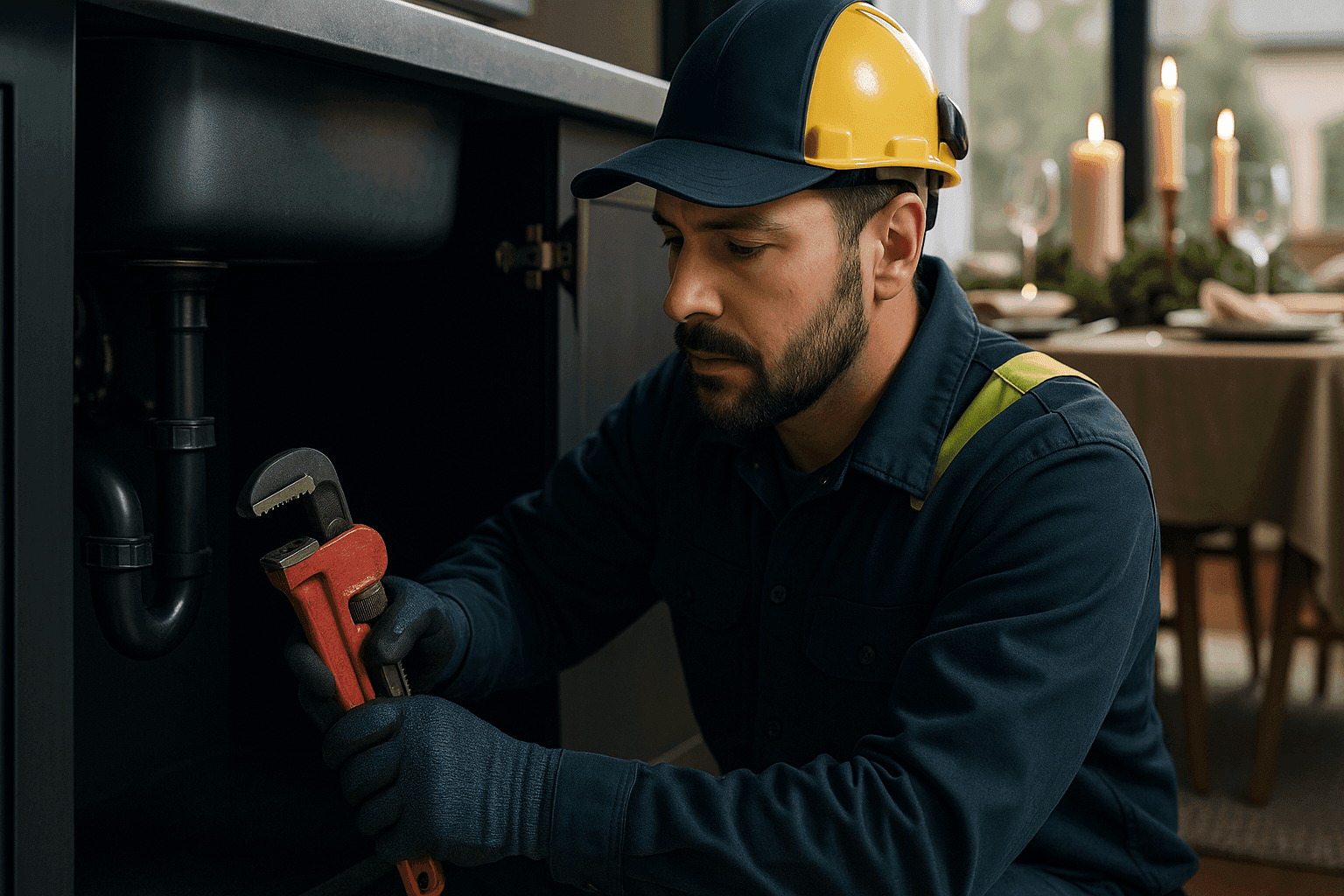
Holiday joy can vanish in a splash. One minute, you’re carving turkey. The next, you’re ankle-deep in water, guests whispering, “What’s that smell?” Sound familiar? You’re not alone. Every year, thousands of homes experience plumbing emergencies during the holidays.
At Expert Plumbing, we’ve seen it all—from overflowing toilets to pipes bursting mid-toast. Our team handles emergencies 24/7, so we know exactly why things go wrong and how you can keep your celebrations on track.
Why Plumbing Issues Spike Over Holidays 🎄
Let’s set the scene: The kitchen is bustling. The bathroom’s a revolving door. Dishes and leftovers pile up. It’s a recipe for trouble.
- More people, more water: Extra guests mean extra flushes, showers, and sink use.
- Heavy kitchen use: Grease, scraps, and stubborn food bits find their way into drains.
- Cold snaps: Pipes are more likely to freeze (and burst) as winter sets in.
- Outdated systems: Older homes can’t always keep up with the demand.
Last year, a family in a cozy ranch house called us two hours before their holiday meal. Their main sewer line had clogged from a combination of wipes and grease. It’s a story we hear coast to coast—big gatherings bring big plumbing stress.
Most Common Holiday Disasters
Plumbing problems don’t take a holiday. Here are the usual suspects:
- Clogged kitchen sinks: Potato peels, gravy, and bones don’t belong down the drain.
- Backed-up toilets: Excess paper, wipes, or “helpful” toddlers.
- Leaking pipes: Rapid temperature changes can crack pipes, especially overnight.
- Broken garbage disposals: Hard scraps and bones wreak havoc.
- Water heater overload: Long showers and back-to-back use can push old units past the breaking point.
- Gas line leaks: Increased cooking sometimes leads to unnoticed leaks—serious and urgent.
A couple in the Midwest once called at midnight—frozen pipes had burst in the garage, flooding their living room. Quick action saved their holiday, but not everyone is so lucky.
Prevention Tips for Parties
A little planning beats a lot of mopping. Here’s how you can guest-proof your home before the doorbell rings:
Kitchen:
- Keep grease and oil out of sinks. Wipe pans with a paper towel before washing.
- Use sink strainers to catch scraps.
- Run cold water while using your garbage disposal and avoid tough items (bones, celery, coffee grounds).
Bathroom:
- Stock up on toilet paper—but avoid thick “ultra” varieties.
- Place a wastebasket near every toilet for wipes and hygiene products.
- Do a quick “flush test” on all toilets and handle minor clogs before guests arrive.
Whole house:
- Insulate exposed pipes if freezing temps are in the forecast.
- Label water shut-off valves and show family members where they are.
- Test your sump pump if you have one—just in case rain or melted snow hits.
These simple steps can keep small issues from snowballing into full-blown disasters.
What to Do in an Emergency
Pipes burst. Toilets overflow. Time is precious. Here’s your action plan:
- Shut off the water: Know where your main shut-off valve is and use it fast.
- Turn off gas (if needed): For smells or leaks, locate the shut-off valve for your stove or heater.
- Move valuables: Remove electronics, rugs, and sentimental items from water’s path.
- Contain the mess: Use towels, buckets, or wet/dry vacs to limit damage.
- Call for emergency plumbing help: Waiting often means more damage.
If you smell gas, evacuate immediately and call emergency services before contacting a plumber.
Real Holiday Case Studies from the Field
- Case 1: The Clogged Saga
A family in the Pacific Northwest tried to grind an entire turkey carcass in their disposal—down went the bird, up came the water. Our team arrived fast, cleared the clog, and shared a laugh (after the cleanup). - Case 2: The Midnight Flood
In New England, pipes froze during a cold snap. With fast shut-off and quick repair, the homeowners saved their hardwood floors. - Case 3: The Overflowing Toilet
A Florida partyground to a halt when a toilet overflowed. The culprit? Flushable wipes. We cleared the line and gave a crash course in better habits.
Quick Safety Checklist ✅
Before guests arrive, run through this list:
- Locate and test your water main shut-off.
- Check for slow drains and fix them.
- Inspect exposed pipes for cracks or frost.
- Make sure all family members know emergency contacts.
- Have towels, buckets, and a wet/dry vacuum ready.
- For gas appliances, know how to shut off supply lines.
A prepared home is a safer home.
DIY or Call a Pro?
It’s tempting to grab a plunger or wrench. Sometimes, that’s enough. Sometimes, it’s not.
DIY:
- Clogged sink or toilet? Try a plunger or drain snake.
- Small leaks? Use plumber’s tape or a bucket to catch drips until help arrives.
- For minor garbage disposal jams, press the reset button underneath (after unplugging).
Call a Pro:
- Water won’t stop flowing, or you can’t find the source.
- Gas smells or suspected leaks.
- Sewage backing up into sinks or tubs.
- Frozen or burst pipes.
- Multiple clogged drains at once—a sign of a bigger issue.
A professional plumber brings tools and know-how you just can’t find at the hardware store.
What Pros Do On Arrival
When you call for emergency plumbing, here’s what happens next:
- Assessment: We inspect problem areas—often using video cameras for hidden pipes.
- Isolation: Shut off water or gas to prevent further damage.
- Quick repair: Temporary or permanent fixes, depending on severity.
- Cleanup: Remove excess water, sanitize if needed.
- Prevention advice: Recommendations to avoid a repeat performance.
All work follows local plumbing codes and national safety guidelines (refer to the International Plumbing Code and your state’s building code for details).
Prevention & Maintenance
Don’t wait for disaster. Regular upkeep saves money, time, and stress.
- Schedule annual plumbing inspections.
- Replace old pipes and fixtures before they fail.
- Install water filtration and backflow prevention systems.
- Insulate pipes in cold areas.
- Test your sump pump twice per year.
- Ask about Gas Line Installation near you if your kitchen appliance setup is aging.
Routine checks catch small problems before they become holiday headlines.
Costs & Time Factors
Emergency plumbing isn’t like ordering pizza. The cost and repair time depend on:
- Issue severity: Burst pipes or sewer backups take longer (and cost more) than minor leaks.
- Repair complexity: Simple clog? Maybe an hour. Pipe replacement? It could be several.
- Parts needed: Some fixes require special-order parts, especially for older homes.
- Timing: Nights, weekends, and holidays may add to the bill (plan ahead if you can).
Remember: Fast action limits water damage and repair costs.
When It’s an Emergency
Not all drips are disasters. But some issues can’t wait:
- Water pouring from ceilings, walls, or under sinks.
- No hot water—especially in winter or for vulnerable guests.
- Gas leaks or strong odors.
- Multiple drains clogged at once.
- Toilet overflowing and won’t stop.
In these cases, call for emergency plumbing. Waiting risks more damage—and bigger repair bills.
FAQ
Q: Can I pour grease down the drain if I run hot water?
A: No. Grease cools and solidifies further down, causing blockages.
Q: Are “flushable” wipes safe for my plumbing?
A: Despite the label, most wipes don’t break down quickly and can clog pipes.
Q: How do I find my water shut-off valve?
A: Usually in the basement, crawl space, or near your water meter. Label it ahead of time.
Q: My garbage disposal stopped—can I fix it myself?
A: Try pressing the reset button underneath. If it’s still jammed, call a pro.
Local/Seasonal Considerations
Plumbing disasters don’t care about your zip code, but knowing your region helps:
- Cold climates: Insulate pipes, disconnect outdoor hoses, and open cabinet doors on freezing nights.
- Warm areas: Watch for root growth in sewer lines and overuse of older water heaters.
- Holiday rush: Book inspections before major gatherings. Emergency plumbing services are in high demand.
No matter where you live, simple habits and quick response can safeguard your home.
Holidays should be about laughter—not leaks. Don’t let plumbing woes steal your celebration. If you have a problem—or want peace of mind—Call Expert Plumbing now — or reach us anytime at 877-837-7735 .