Gas Line Safety: What Every Homeowner Must Know
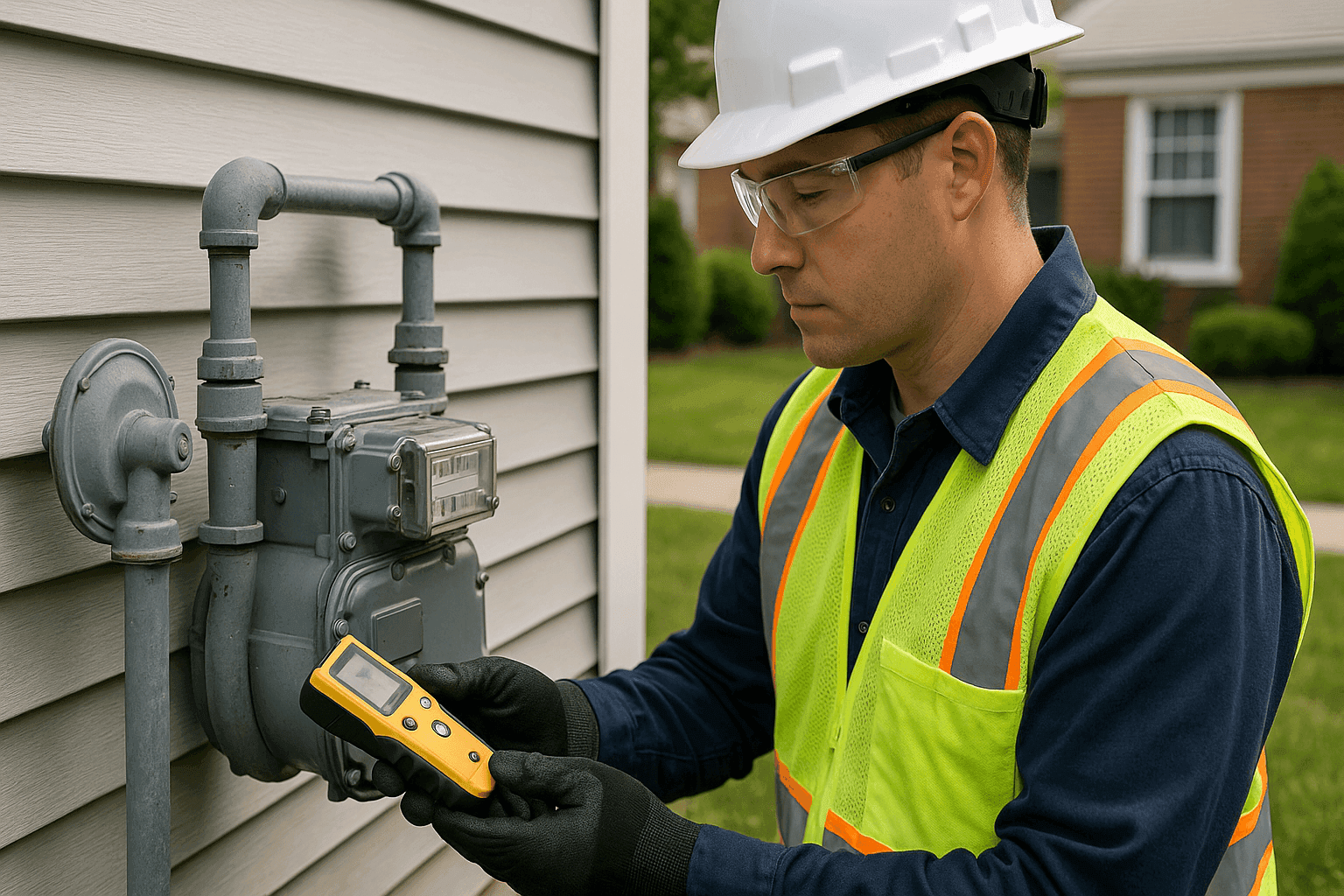
Every home runs on invisible lines of trust. Gas lines power your stove, heat your water, and keep your family comfortable. But with that comfort comes responsibility. When something goes wrong, it can happen suddenly—and the consequences are serious.
At Expert Plumbing, we've seen firsthand how fast a small issue can become a true emergency. Homeowners who understand gas line safety are far better prepared to protect their families and homes. Here’s what every homeowner should know.
Gas Line Basics 🛠️
Gas lines are the silent arteries of many homes. They bring natural gas or propane from the street or a tank, often right to your kitchen, water heater, or boiler. When everything works, you hardly notice. But a single crack, loose fitting, or corroded pipe can spell danger.
Key facts about residential gas lines:
- Most homes use flexible copper or rigid steel pipes for gas.
- Gas lines are regulated by strict safety codes—both national (like the National Fuel Gas Code, NFPA 54) and regional requirements.
- Only licensed professionals should install, modify, or repair gas lines. This isn’t like replacing a faucet!
Neglect, DIY fixes, and even seasonal ground movement can stress pipes. That’s why periodic checks matter.
Warning Signs of a Gas Leak
Natural gas is invisible, but it doesn’t hide well. Utility companies add a chemical called mercaptan, which smells like rotten eggs, so you can spot a leak in seconds.
Common gas leak symptoms:
- Smell: The telltale rotten egg odor.
- Sound: Hissing or whistling near a gas appliance or line.
- Sight: Dead or discolored grass above buried lines; dust blowing from a hole in the ground.
- Physical effects: Headaches, dizziness, nausea, or breathing trouble if exposed indoors.
Even if the signs seem minor, don’t ignore them. Small leaks can get worse over time—sometimes with catastrophic results.
What to Do in an Emergency 🚨
If you suspect a gas leak, every second counts. Think of it like a fire drill: react fast, don’t panic.
Evacuation steps:
- Leave the area immediately. Don’t try to find the source.
- Don’t use switches or phones inside. Electrical sparks can ignite gas.
- Shut off the gas at the main valve if you can do it safely (usually located next to your meter).
- Call your utility company from a safe distance, then dial emergency plumbing services.
Never re-enter your home until a licensed professional or the utility company says it’s safe.
Professional Gas Safety Checks
Just as you trust electricians with wiring, gas lines require certified expertise. Licensed gas fitters know the codes, test for hidden leaks, and check every joint and connection.
What’s included in a professional safety check:
- Visual inspection of exposed lines and fittings.
- Pressure testing for leaks—even ones you can’t smell.
- Ensuring appliances and vents are properly installed and vented.
- Checking compliance with the latest regional and national codes.
According to the U.S. Department of Energy and your local utility, annual inspections are the safest bet for peace of mind.
Quick Safety Checklist
- Know where your main gas shut-off valve is.
- Make sure everyone in your household can recognize the smell of gas.
- Keep the area around your meter and appliances clear.
- Don’t store flammables (paints, solvents) near gas appliances.
- Schedule annual gas safety inspections.
- Never ignore warning signs—trust your nose and instincts.
DIY vs. Call a Pro
There’s a time for DIY, but gas lines aren’t it. Even tightening a fitting without proper tools or training can be dangerous.
Call a professional for:
- Gas Line Installation near you
- Pipe repairs or replacements
- Appliance hookups
- Leak detection or emergency plumbing
As the U.S. Consumer Product Safety Commission warns, unlicensed repairs can void insurance or violate local building codes. Stick with the pros.
What Pros Do On Arrival
When you call for emergency plumbing or gas line help, here’s what to expect:
- Immediate shutoff of gas supply (if not already done)
- Leak detection using calibrated sensors
- Inspection of all joints, fittings, and exposed pipes
- Pressure testing and repairs per code
- Coordination with your utility company if needed
Professionals bring experience, the right tools, and knowledge of regional requirements—so nothing gets missed.
Prevention & Maintenance 🧰
Like changing the batteries in your smoke detector, gas safety is all about prevention.
Tips for homeowners:
- Schedule routine inspections—don’t wait for a problem.
- Replace aging or corroded pipes before they fail.
- Install carbon monoxide detectors near gas appliances.
- Address low water pressure or strange noises—sometimes these signal hidden gas or plumbing issues.
Prevention is cheaper, safer, and easier than dealing with an emergency.
Costs & Time Factors
Gas line repairs and inspections vary based on:
- The complexity of your system
- Pipe material and accessibility
- Local code requirements
A basic inspection might take an hour. Repairs or installations can range from a couple of hours to a full day for complex jobs. Regional codes may require permits or inspections, which can add time but ensure safety.
Remember, emergencies always cost more—both in dollars and peace of mind.
When It’s an Emergency
Any suspected gas leak or unexplained strong odor is an emergency. If you hear a hissing sound, feel dizzy, or see dead plants near a buried line, act fast.
Call emergency plumbing services and your utility’s emergency line. Do not attempt to fix anything yourself. Evacuate and let trained professionals secure the scene.
FAQ
Q: How often should gas lines be inspected?
A: Most experts recommend annual checks, and some local codes require them every few years. New home? Schedule an inspection before moving in.
Q: Can I shut off my own gas in an emergency?
A: Yes—if you know where the main valve is and can reach it safely. Turn the handle so it’s crosswise to the pipe. Never turn it back on yourself.
Q: Is a faint gas smell always an emergency?
A: Any gas odor should be treated seriously. Open windows, leave the house, and call for help.
Q: Are all plumbers qualified to repair gas lines?
A: Only plumbers with specific gas fitting licenses are allowed to work on gas lines. Always ask for credentials.
Local/Seasonal Considerations 🌦️
Gas line safety isn’t just about what’s inside your home. In colder months, ground shifts can stress buried pipes—causing leaks that only show up when the frost thaws. Summer construction and landscaping can accidentally damage lines.
Regional codes—like those from your state’s public utility commission—may set stricter rules for pipe material, depth, or inspection frequency. Always choose a local, licensed pro who knows your area’s regulations.
Ready to Put Safety First?
Gas line issues aren’t just another item on your to-do list. They’re urgent, and they require expertise. Whether you need an emergency plumbing response or a trusted gas line installation near you, don’t wait for a warning sign.
Call Expert Plumbing now — or reach us anytime at 877-837-7735 .