Gas Line Installation & Safety: What Every Homeowner Should Know
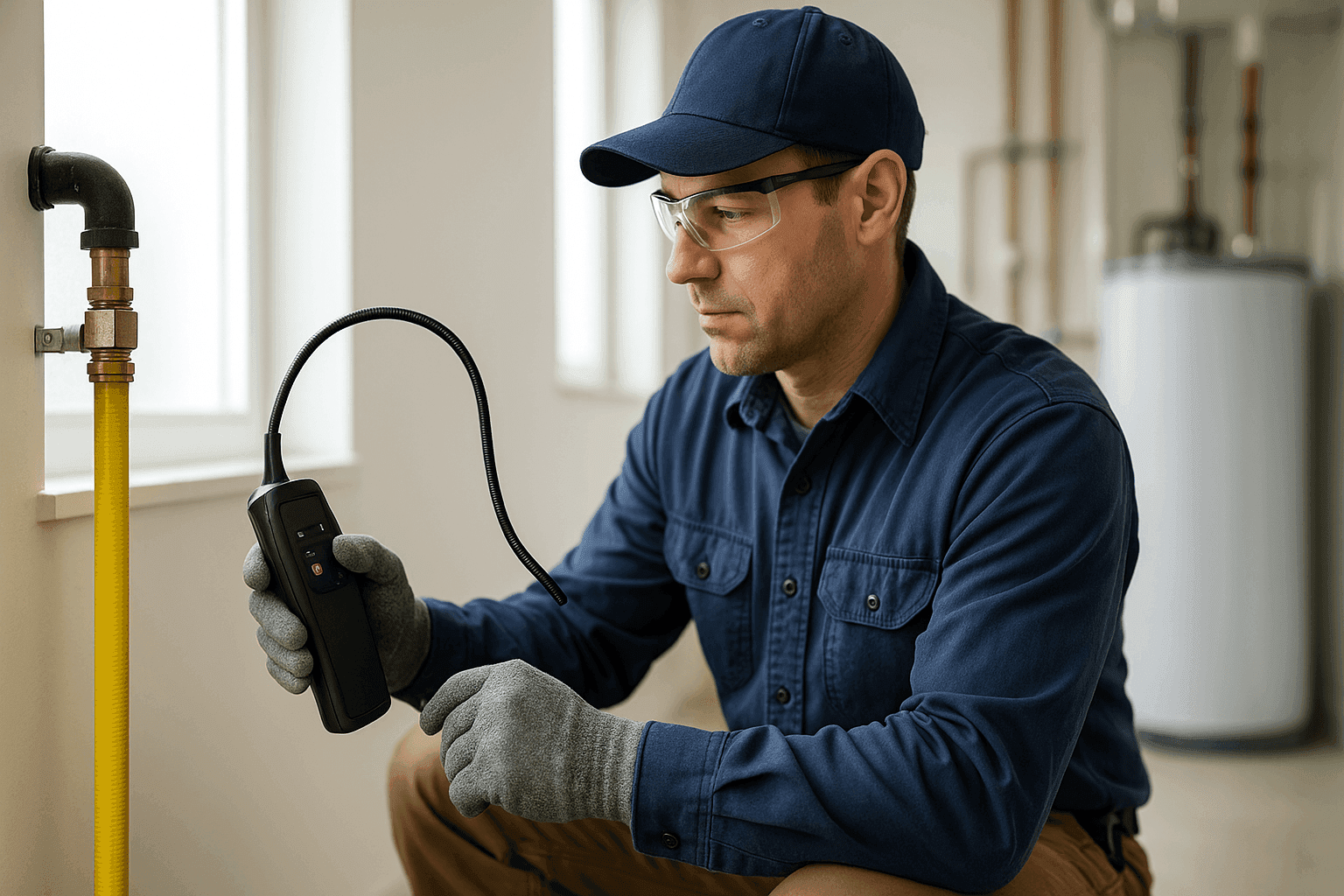
Is your home’s gas line something you rarely think about—until there’s a problem? You’re not alone. Gas piping hides in the walls, but it’s the silent lifeline for heat, hot water, and cooking. One leak or misstep, though, and things can go sideways quickly.
At Expert Plumbing, we know how fast a routine call can turn into an emergency plumbing situation. That’s why it’s vital for every homeowner to understand gas line installation, safety checks, and what to do if something smells off—literally.
Gas Line Basics 🏠
A home’s gas system is a lot like your body’s circulatory system. Pipes act as arteries, carrying energy to appliances: furnaces, water heaters, ovens, and more. But unlike blood, gas is invisible and flammable. Small leaks can build up silently.
Here’s what every homeowner should know:
- Materials count: Modern gas lines are often made of corrugated stainless steel tubing (CSST) or black iron pipe. Each has unique installation needs.
- Appliance connections: Flexible connectors must meet strict safety codes.
- Valves matter: Every major appliance should have a shut-off valve within easy reach.
Why does this matter? Poor installation or aging lines put homes at risk. That’s why only licensed, certified technicians should handle gas line installation near you.
Safe Installation Process
Gas line installation isn’t just about connecting pipes. Think of it as assembling a jigsaw puzzle where every piece must fit perfectly—or risk trouble.
Steps professionals follow:
- Planning: Assess appliance needs. Calculate the correct pipe size and routing.
- Permitting: Local codes often require permits. These protect homeowners and ensure compliance.
- Installation: Securely fit pipes, connectors, and shut-off valves. No shortcuts.
- Pressure testing: Before turning on the gas, technicians test all joints for leaks using industry-standard methods (like soapy water or electronic detectors).
- Inspection: Many areas require a municipal inspection before use.
Pro tip: Local building codes vary. For example, some regions demand earthquake shut-off valves or prohibit certain flexible pipes. Always work with a crew familiar with regional codes.
Routine Safety Checks
Gas lines don’t need daily attention, but regular checkups are essential. Like checking smoke alarms, routine inspections prevent disaster.
Quick safety checklist:
- Can you smell rotten eggs (the telltale odorant in natural gas)?
- Are appliance flames blue (not yellow or orange)?
- Is the area around gas appliances dry and free of corrosion?
- Do you hear hissing or whistling near lines or valves?
- Is your carbon monoxide detector working?
If anything feels off, don’t wait. The nose knows—trust your senses, then call for emergency plumbing help.
How to Spot a Leak
A gas leak is nothing to ignore. It can sneak up quietly, but the signs are clear if you know what to look for.
Warning signs:
- Odor: Natural gas smells like sulfur or rotten eggs.
- Sound: Hissing near pipes or valves.
- Dead plants: Grass or shrubs dying above buried lines.
- Bubbles: In standing water near exterior gas lines.
If you notice any of these, treat it like a fire alarm. Act fast, and don’t try to fix it yourself.
DIY vs. Call a Pro
Gas line work isn’t a DIY project. Even swapping an appliance can go wrong if you disturb a fitting or valve.
Here’s when to call a professional:
- Installing a new appliance (stove, dryer, heater)
- Moving or extending gas lines
- Smelling gas, even faintly
- Noticing old, rusted, or damaged pipes
Certified technicians have specialized tools, pressure gauges, and code knowledge. This isn’t a job for duct tape or wrenches from the kitchen drawer.
What Pros Do On Arrival
When you call for emergency plumbing help, here’s what you can expect:
- Immediate shut-off: If needed, the incoming technician will shut off the main gas valve.
- Leak detection: Using detectors (and sometimes soap solution), they’ll pinpoint the exact source.
- Code compliance check: They’ll assess if your system meets current safety codes (which may have changed since your home was built).
- Repairs or replacement: Damaged pipes, connectors, or valves are repaired or swapped out.
- Pressure testing: Before leaving, they’ll test the system again to ensure it’s airtight.
Prevention & Maintenance
A little attention goes a long way. Regular care keeps your family safe and your home running smoothly.
Simple prevention tips:
- Schedule annual inspections with a licensed plumber.
- Install carbon monoxide detectors in key areas.
- Keep areas around gas appliances dry and clutter-free.
- Never store flammable materials near gas lines.
- If you’re digging outside, always call 811 (“Call Before You Dig”) to locate buried lines.
The U.S. National Fire Protection Association (NFPA) and your local building department are good resources for up-to-date safety guidelines.
Costs & Time Factors
Gas line projects vary. Installing a new line for a backyard grill is very different from replacing a main supply line.
Here’s what affects cost and timing:
- Project complexity: More appliances or longer runs mean more work.
- Material type: Black iron, copper, and CSST each have different price points.
- Access: Hidden or buried lines take longer to reach.
- Permitting & inspection: Some areas have longer approval times.
Most small repairs take a few hours. Full installations or replacements can take a day or more, depending on complexity. Safety, not speed, takes priority.
What To Do in a Gas Emergency 🚨
If you suspect a leak:
- Evacuate immediately: Get everyone outside. Don’t use electrical switches or phones inside.
- Don’t try to find the leak: Leave it to professionals.
- Shut off the gas at the main valve if you know how and can do so safely.
- Call emergency plumbing services and your gas utility from a safe location.
- Wait for the all-clear before going back inside.
Never take chances. Gas leaks can escalate quickly.
Local/Seasonal Considerations
Gas line safety isn’t the same everywhere. Here’s what varies by region:
- Codes: Some cities require seismic shut-off valves due to earthquake risk. Others have strict rules for buried lines in cold climates.
- Weather: Freezing temps can strain older pipes or buried lines.
- Soil type: Heavy clay or shifting ground (common in some areas) can put extra pressure on pipes.
Always work with a professional who understands your local code and environment. What’s safe in one region may not be allowed in another.
FAQ
How often should gas lines be inspected?
Most experts recommend a professional inspection every year, especially for older homes or if you’ve added new gas appliances.
Can plumbers install gas lines?
Yes, but only if they’re licensed and certified for gas work in your area. Always verify credentials.
Is a gas smell always an emergency?
Yes. Even a faint odor can mean a serious leak. Treat it as an emergency and act fast.
Do I need a permit for a gas line project?
Almost always. Local building departments require permits and inspections to ensure safety and code compliance.
Gas line safety is everyone’s responsibility, but handling repairs and installations calls for licensed, experienced professionals. If you’re worried about your gas system—or just want peace of mind—help is only a call away.
Call Expert Plumbing now — or reach us anytime at 877-837-7735 .