Garbage Disposal Not Working? DIY Fixes & When to Call a Pro
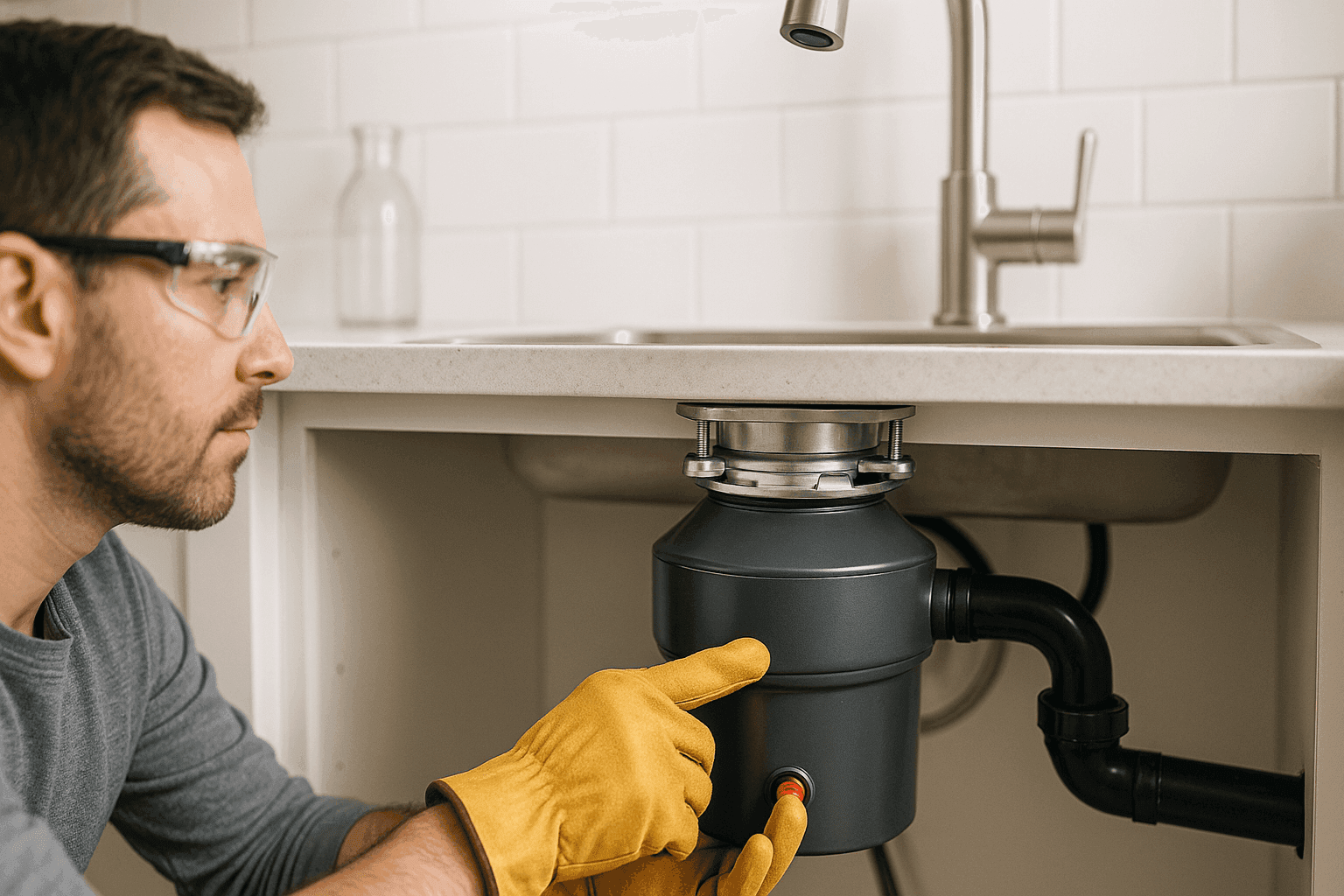
Is your garbage disposal silent when you flip the switch? Maybe it hums, grinds, or just sits there like a stubborn mule. Every homeowner has been there—right when you need it most, it clogs, jams, or worse, leaks all over your kitchen.
At Expert Plumbing, we know a broken disposal can quickly turn a cozy night or family gathering into a plumbing emergency. Whether it’s after a holiday dinner or during heavy weekend clean-ups, knowing what to do—and what not to do—can save your nerves, your pipes, and your fingers.
Common Garbage Disposal Issues
Garbage disposals are the unsung heroes of the kitchen. When they work, they make cleanup a breeze. When they don’t, the mess piles up fast. Here are some of the most common problems homeowners face:
- The disposal won’t turn on. No sound, no movement. It’s like a car with a dead battery.
- A humming noise but no grinding. The motor wants to work, but something’s stuck inside.
- Slow draining or standing water. Could be a clog in the disposal or the pipes below.
- Leaks under the sink. Dripping water is a warning sign—especially near seals or connections.
- Awful odors. Leftover scraps can rot, making your kitchen smell like last week’s trash.
Many of these issues have simple causes. But sometimes, the problem is hidden deeper in the system and needs a plumber’s expertise—especially if you have guests over or it’s the middle of the night.
Safe DIY Troubleshooting Steps 🛠️
Safety comes first. Always. Garbage disposals are powerful machines with sharp blades and strong motors. Never put your hand or any non-food object inside the disposal—even if it’s not moving.
Here’s how to safely tackle the most common issues before you call for emergency plumbing help:
1. Check for Power
- Make sure the disposal is plugged in.
- Test your kitchen’s circuit breaker. Sometimes, it’s just a tripped switch.
2. Press the Reset Button
- Look for a small red or black button under the disposal unit.
- If it’s popped out, press it in. Wait a minute, then try the switch again.
3. Clear a Jam (No Fingers!)
- Turn off the disposal at the wall switch and unplug it for added safety.
- Use a wooden spoon or a hex key (usually 1/4") in the bottom slot to gently rotate the grinding plate.
- Remove visible debris with tongs or pliers—never your hand.
4. Clean the Unit
- Toss in a handful of ice cubes and a few lemon peels.
- Run cold water and turn the unit on for 30 seconds. This helps clean the blades and freshen up the smell.
5. Flush with Water
- Run cold water for a full minute after using the disposal.
- This helps move waste all the way down the pipes, preventing future clogs.
Important: If you hear a loud buzzing, smell burning, or see smoke, stop immediately. These are signs it’s time to call a professional.
What Not to Put Down the Disposal 🚫
Some kitchen scraps go down easy. Others can ruin a disposal or clog your pipes faster than you think. Here’s what you should never send down the chute:
- Grease, oil, or fat: They harden and cause blockages.
- Fibrous foods: Celery, corn husks, onion skins, and artichokes can tangle the blades.
- Hard items: Bones, fruit pits, shells, or glass—these damage the motor.
- Pasta, rice, or coffee grounds: They expand and clog the drain.
- Non-food objects: No utensils, sponges, or plastic.
When in doubt, toss it in the trash or compost. Your pipes (and your future self) will thank you.
When to Call a Plumber
DIY fixes can solve simple hiccups. But some problems need a pro’s touch—especially if you want to avoid major water damage or a midnight kitchen flood. Call for emergency plumbing help if:
- The disposal still won’t turn on after resetting.
- You hear grinding, humming, or buzzing that won’t stop.
- There’s a leak from the unit or pipes below.
- Water backs up into the sink or comes out of the dishwasher.
- You tried the safe steps above and nothing changed.
A licensed plumber can quickly diagnose the problem, check for deeper issues (like a jammed impeller or a faulty switch), and repair or replace the unit safely.
Quick Safety Checklist
Before you touch the disposal, run through this list:
- Power off at the switch and unplug the unit.
- Keep fingers, hands, and metal tools out of the disposal.
- Use only approved tools (like a hex key or wooden spoon) to clear jams.
- Never use chemical drain cleaners—they can damage pipes and harm your skin.
- If you smell gas or see sparks, step away and call for emergency plumbing assistance.
For more details, see the U.S. Consumer Product Safety Commission guidelines on home appliances.
How the Pros Fix It
When you call in a licensed plumber for a garbage disposal problem, here’s what typically happens:
- Safety inspection: They check power supplies, electrical connections, and leaks.
- Manual clearing: Using special wrenches and tools, they safely dislodge jams or blockages.
- Thorough cleaning: The unit, pipes, and trap are flushed and sanitized.
- Parts check: They inspect blades, gaskets, and the motor for wear or damage.
- Replacement: If the disposal is beyond repair, they can install a new unit quickly—often in the same visit.
- Testing: The plumber runs water, checks for leaks, and ensures everything is working before leaving.
Licensed plumbers are trained to spot early warning signs of bigger issues—including problems with your home’s wiring, pipe repair needs, or even the need for repiping if blockages keep returning.
Prevention & Maintenance Tips 🧽
Most garbage disposal disasters are preventable. Here’s how to keep things running smoothly all year:
- Always run cold water before and after using the disposal.
- Cut large scraps into small pieces before tossing them in.
- Clean with ice and citrus peels monthly to reduce odors and buildup.
- Schedule annual plumbing maintenance—especially before big holidays or heavy kitchen use.
- If you notice slow draining or frequent jams, ask about professional drain cleaning or pipe inspection.
Costs & Time Factors
Garbage disposal repairs can range from a quick reset (free and fast) to a full replacement (which takes more time and expertise). Here’s what to expect:
- DIY fixes: 10–30 minutes if you know what to do.
- Professional repairs: Most visits take under an hour. More complex jobs, like replacing pipes or units, can take a little longer.
- Costs: These vary by region, time of day (emergency plumbing visits after hours cost more), and the complexity of the job. Always ask for an estimate before work begins.
Remember: Trying to force or fix something yourself can sometimes make things worse—leading to higher repair costs down the road.
When It’s an Emergency
Some disposal problems need urgent attention. Don’t wait if:
- There’s standing water under your sink or flooding in the kitchen.
- The disposal is making loud, alarming noises or won’t shut off.
- You smell burning, see sparks, or suspect an electrical problem.
- You notice water backing up from other drains or fixtures.
In these cases, turn off the power at your breaker box and contact an emergency plumbing service right away. Quick action can prevent water damage, mold, and even electrical hazards.
FAQ
Q: Can I use chemical drain cleaners in my garbage disposal?
A: No. Most chemical cleaners are too harsh and can damage both the disposal and your pipes. Stick to safe mechanical methods or call a plumber.
Q: Why does my disposal smell bad even after cleaning?
A: Food particles can get stuck in crevices. Try running ice and citrus peels, or schedule a professional cleaning if odors persist.
Q: How long should a garbage disposal last?
A: With proper care, most units work for about 8–15 years. Frequent clogs, leaks, or loud noises are signs it may be time for a replacement.
Q: Can I install a new disposal myself?
A: Basic replacements are possible for handy homeowners, but anything involving wiring, gas lines, or complex plumbing should be handled by a licensed plumber.
Local & Seasonal Considerations 🌦️
Garbage disposals get their biggest workout during holidays and family gatherings—think Thanksgiving, Christmas, or any time you’re entertaining. Heavy use means more food scraps (and more risk of jams or clogs).
- Before hosting, run a maintenance cycle and check for leaks.
- Remind guests what not to put in the disposal.
- If you’re planning kitchen renovations, ask about “Gas Line Installation near you” or upgrades to water filtration systems for safer, cleaner kitchen plumbing.
If disaster strikes, don’t panic. Emergency plumbing services are available 24/7—even on weekends or holidays.
If your garbage disposal is still giving you trouble, don’t risk injury or water damage.
Call Expert Plumbing now — or reach us anytime at 877-837-7735 .