Emergency Plumbing Guide: What to Do Before Help Arrives
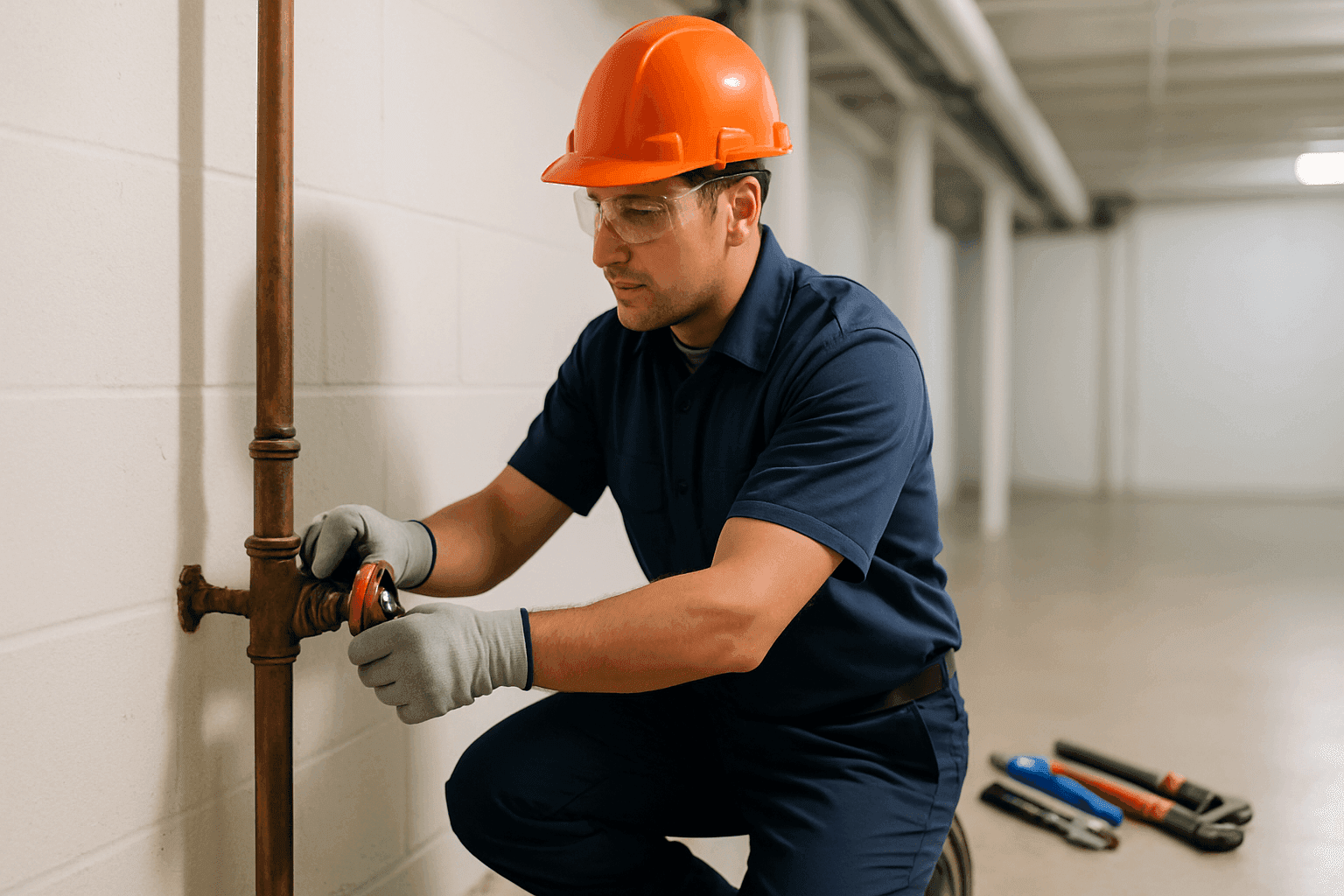
When water’s gushing or a gas smell fills your home, panic can set in fast. You’re not alone. Plumbing emergencies hit thousands of households each year—sometimes in the dead of night, sometimes right as guests arrive for the holidays.
At Expert Plumbing, we’ve seen it all: frozen pipes bursting during winter cold-snaps, kitchens flooding from leaking dishwashers, mystery puddles in the basement after a wild summer storm. Our licensed plumbers help families just like yours, 24/7. Here’s how to keep your cool and your home safe until we arrive.
Assessing the Situation 🛑
The first moments after you spot a plumbing problem matter most. Think of your home as a small ship. When a leak springs, your job is to slow the flood and steer clear of danger until the coast guard arrives.
Ask yourself:
- Is water pouring out uncontrollably?
- Do you smell gas (like rotten eggs)?
- Is there sewage backing up in sinks or tubs?
- Are electrical outlets or appliances near the water?
If you answer "yes" to any, this is a true emergency.
Recognizing True Emergencies:
- Burst pipes or water flooding living spaces
- Gas leaks—never ignore a sulfur-like smell
- Toilets overflowing with sewage that won’t stop
- Major leaks near electrical panels or appliances
In these cases, acting fast can prevent thousands in damage—and even save lives.
Shutting Off Water Safely
If water is escaping rapidly, your first job is to stop the flow. Most homes have a main shutoff valve—usually found where the main water line enters the house (often in basements, garages, or near outdoor spigots).
Step-by-step for shutting off water:
- Find the main valve. It may look like a round wheel or a straight lever.
- Turn it clockwise (righty-tighty) until it stops.
- Open a faucet on the lowest floor to drain remaining water and relieve pressure.
If only a specific fixture is leaking (like a toilet or sink), look for a small valve underneath and turn it off.
Gas Emergency? If you smell gas—or suspect a gas line leak:
- Do not use electrical switches, lighters, or phones inside.
- Open windows and doors.
- Get everyone outside immediately.
- Shut off the main gas valve (usually a rectangular handle on the pipe by the gas meter; turn it a quarter turn so it’s perpendicular to the pipe).
- Once safe, call your utility company or local fire department.
Reference: The National Fire Protection Association (NFPA) and your local utility provider offer more details on gas safety protocols.
Containing Leaks and Spills
You can’t plug a flood with your finger, but quick thinking makes a huge difference. Imagine you’re bailing out a sinking canoe—every towel, bucket, or pan can help.
DIY Containment Tips:
- Place towels, rags, or old shirts around the leak to soak up water.
- Use buckets or pots to catch drips from ceilings or under pipes.
- Move valuables, electronics, and rugs away from wet areas.
- For slow leaks, duct tape can help seal a small crack temporarily, but don’t rely on it for long.
Slip Hazards: Wet floors get slick—especially tile, wood, and laminate. Walk carefully or wear shoes with good grip.
Power Safety: If water is flowing near outlets or appliances, shut off power at your breaker box before touching anything.
Minimizing Water Damage
Every minute counts. Water moves like a river, seeping under floors, into walls, and behind cabinets. The sooner you contain and remove it, the less damage there will be.
What You Can Do:
- Mop up standing water with towels or a wet/dry shop vacuum.
- Open windows or use fans to help dry out the area.
- Move furniture and electronics to dry ground.
- If weather permits, place wet rugs or cushions outside to air dry.
Remember: Mold can begin growing in as little as 24–48 hours, so quick action matters.
When to Call a Pro (and What Info Helps)
Some issues just aren’t safe or possible to fix without the right tools and training. When in doubt, call for emergency plumbing help—especially if you’ve shut off main valves and water is still coming.
Call a professional immediately if:
- You can’t stop the leak with shutoff valves.
- You suspect a gas leak or smell gas.
- Sewage is backing up into sinks or tubs.
- Pipes have burst or you hear rushing water inside walls.
- There’s water near electrical panels.
What to Tell Your Plumber:
- Where’s the leak? (Kitchen, bathroom, basement?)
- What have you done so far? (Shut off water, contained leaks, etc.)
- Any signs of gas or sewage?
- Age of your plumbing, if known.
- Seasonal conditions (was it a recent freeze, heavy rain, or holiday traffic?)
The more info you share, the faster we can help.
What NOT to Do 🚫
In an emergency, instincts can sometimes lead us astray. Here’s what to avoid:
- Don’t use electrical appliances or outlets near water.
- Don’t light matches or use lighters if you smell gas.
- Don’t pour harsh chemicals down a clogged or overflowing drain—this can make things worse, damage your pipes, and create hazardous fumes.
- Don’t try to repair gas lines or major plumbing yourself.
- Don’t ignore the problem hoping it will go away.
Safety Tips from Licensed Plumbers
At Expert Plumbing, all our team members are licensed and trained according to state and local codes. Here’s what the pros recommend:
- Know the locations of your main water and gas shutoff valves.
- Keep emergency supplies (towels, buckets, rubber gloves) handy.
- Install leak detectors under sinks and near water heaters.
- Check hoses and pipes before the first freeze or big storm.
- Schedule regular inspections, especially before holidays or travel.
For more, see guidelines from the American Red Cross and the International Plumbing Code.
Local and Seasonal Surges: What to Watch For 🌧️
Some emergencies are more likely at certain times of year. In our region, we see:
- Winter: Frozen pipes bursting during cold snaps.
- Spring: Flooded basements after heavy rains and melting snow.
- Summer: Storm-driven sewer backups and sump pump failures.
- Holidays: Clogged drains and overworked water heaters with guests.
Before a big freeze or major storm, check your pipes for insulation, clear outdoor drains, and know where your shutoff valves are.
Gather These Before Help Arrives
While you wait for a plumber:
- Clear pathways to the problem area.
- Secure pets in another room.
- Write down what happened, when, and what you’ve done.
- Snap a few photos for insurance, if safe to do so.
What to Expect When the Plumber Arrives
Our licensed professionals will:
- Inspect the situation and confirm the source of the problem.
- Use leak detection tools, moisture meters, or sewer cameras as needed.
- Repair or isolate the leak, replace damaged pipes, or clear blockages.
- Advise on next steps for cleanup or restoration.
We’ll walk you through every step—no technical jargon, just plain language and clear options.
Frequently Asked Questions
How do I know if it’s a plumbing emergency?
If water or sewage is flowing uncontrolled, if there’s a risk of electric shock, or you smell gas, it’s an emergency.
Can I turn the water back on myself after the repair?
Yes, if the plumber says it’s safe and the problem is fixed. Otherwise, wait for professional advice.
Will my insurance cover water damage?
Most policies cover sudden, accidental leaks but not slow, ongoing issues. Check with your provider.
How long does emergency plumbing usually take?
It depends. Small leaks might be fixed in under an hour; major pipe repairs or sewer blockages can take several hours or more.
Final Thoughts: Stay Calm, Stay Safe
Emergencies are stressful. But a little know-how and a quick call for help can keep your home (and family) safe. Remember: when in doubt, don’t risk it—get the right help from a licensed pro.
Call Expert Plumbing now — or reach us anytime at 877-837-7735 .