Drain Cleaning 101: Keep Your Pipes Flowing Smoothly
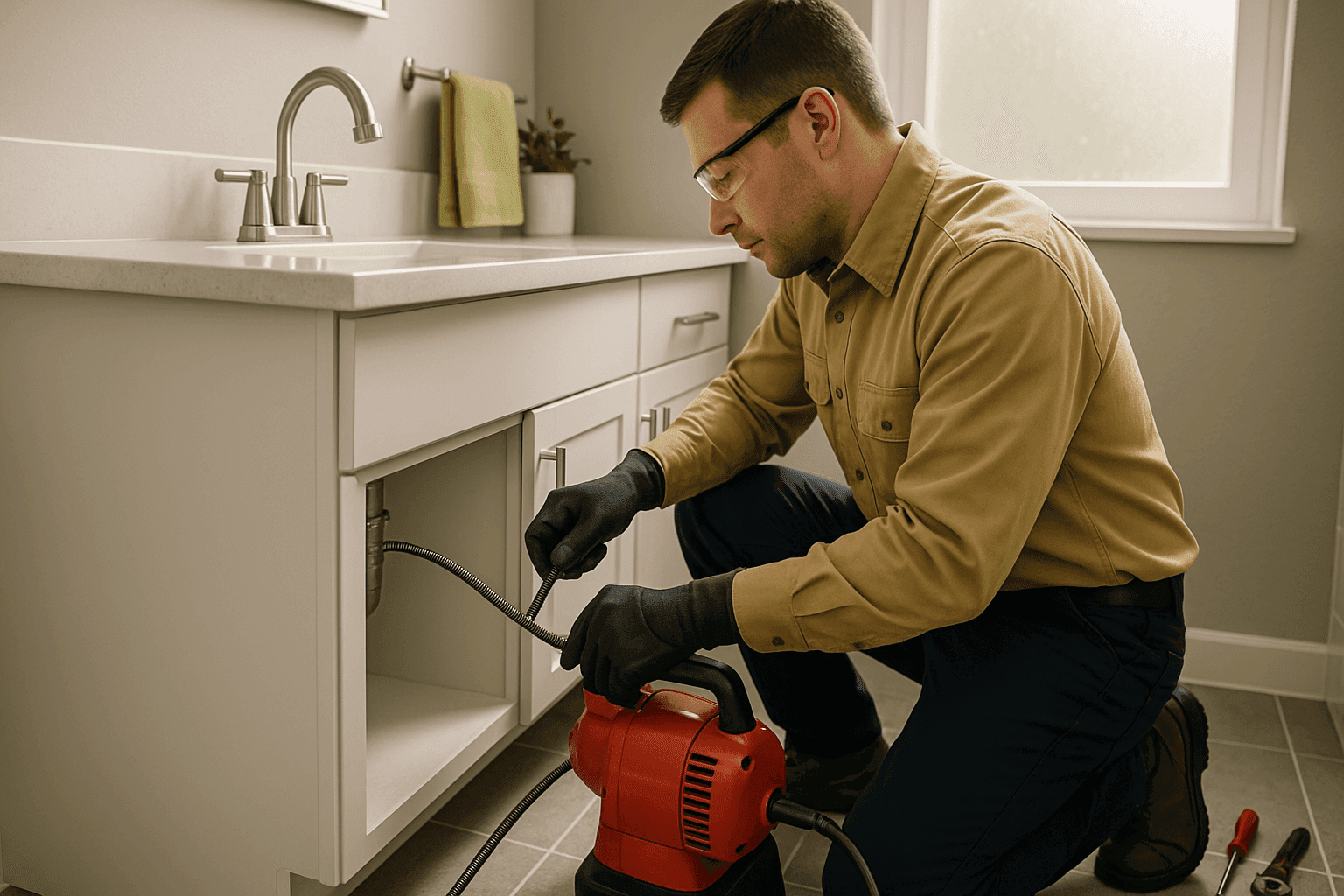
When your sink gurgles or the shower drains slow, it’s easy to shrug it off. But that little annoyance can quickly turn into a flood, a harsh smell, or a midnight emergency plumbing call. At Expert Plumbing, we’ve seen how a simple clog can disrupt a whole household—and we’re here to help you keep things flowing.
You don’t need to be a plumber to keep your drains clear. With a little know-how, attention, and the right tools, you can avoid most blockages and know when it’s time to call in a professional for help.
Causes of Clogged Drains 🚿
Clogged drains happen for many reasons. Most begin with everyday habits. Imagine your pipes as city streets: the more junk and debris, the bigger the traffic jam.
Common culprits:
- Hair: Like a spider web, hair tangles and traps soap and grime—especially in bathroom drains.
- Grease and oil: Pouring bacon grease or cooking oil down the kitchen sink is like pouring glue on the road.
- Food scraps: Coffee grounds, eggshells, and fibrous veggies pile up and stick together.
- Soap scum: Over time, soap builds up and narrows the pipe, especially if you have hard water.
- Toiletries and “flushable” wipes: Many items labeled “flushable” don’t break down and can snag on rough pipes.
- Foreign objects: Kids’ toys, dental floss, and cotton swabs can block the narrowest bends.
Clogs don’t happen overnight. They build up slowly, layer by layer, until water has nowhere else to go.
DIY Cleaning Methods
Sometimes, a little effort can save the day. But before you reach for harsh chemicals, consider safer, eco-friendly approaches. They’re better for your pipes, your health, and the environment.
Safe DIY Steps
- Boiling water: Pour a kettle of hot (not boiling) water down the drain to dissolve grease and loosen debris.
- Baking soda and vinegar: Dump half a cup of baking soda, then half a cup of white vinegar. Cover the drain. Wait 10–15 minutes, then flush with hot water.
- Plunger: A plunger isn’t just for toilets. Use it to create suction and dislodge hair or gunk from sinks and tubs.
- Drain snakes: Hardware stores sell simple, flexible snakes that can pull out hair and small blockages. Use gently to avoid damaging pipes.
- Wet/dry vac: For tough clogs near the top, a wet/dry vacuum can sometimes suck out the blockage.
When to Avoid Chemical Cleaners
Chemical cleaners seem fast and easy—but they can do more harm than good. They’re like using a flamethrower to get rid of a spider: overkill, dangerous, and likely to damage what you’re trying to protect.
- Corrosive: Many cleaners eat away at pipes, especially older or PVC plumbing.
- Toxic fumes: They can release harsh fumes, risking your health.
- Not always effective: If the clog is deep or solid, chemicals might sit in the pipe and cause more problems.
Professional Cleaning Options
There are times when DIY just won’t cut it. If you’ve tried the basics and water still won’t flow, it’s time to call a pro.
What plumbers bring to the table:
- Professional-grade drain snakes: Much longer and sturdier than anything at the hardware store.
- Hydro jetting: High-pressure water blasts through years of buildup, clearing pipes without chemicals.
- Video inspection: Mini-cameras snake down the pipe, showing exactly where and what the problem is.
- Specialized tools: For tough cases, like tree roots or collapsed pipes.
A professional assessment is especially important if you suspect a bigger issue—like recurring clogs, slow drains throughout the house, or foul odors from multiple fixtures.
Preventive Tips 🧰
The best way to avoid clogged drains is to stop blockages before they start. Think of it as brushing your teeth—regular care keeps the problems away.
Simple habits for clear pipes:
- Use drain strainers: Catch hair, food, and debris before they go into the pipes.
- Scrape plates: Wipe food scraps into the trash or compost, not the sink.
- Dispose of grease carefully: Pour used oil into a can or container, not down the drain.
- Flush with hot water: After heavy use, pour hot water down kitchen and bath drains.
- Regular maintenance: Schedule annual inspections, especially if your home is older or you’ve had issues in the past.
Following these steps keeps your pipes in good shape and helps prevent emergencies.
When to Call a Pro
It’s tempting to keep trying DIY fixes, but some situations need a trained hand. Don’t wait until your bathroom is underwater.
Call for help if:
- Multiple drains are slow or clogged at once
- Water backs up into sinks, tubs, or toilets
- There’s a foul odor you can’t clear
- You hear gurgling or bubbling sounds
- You’ve tried DIY methods, and nothing works
Professional plumbers have tools and training to fix the problem safely and quickly. Sometimes, what looks like a minor clog is a symptom of a deeper issue—like a broken pipe, tree root, or sewer blockage.
What Plumbers Do On Arrival
When a plumber shows up, they don’t just guess. They diagnose, assess, and get right to work.
Typical steps:
- Assessment: Ask questions and check fixtures to pinpoint the problem.
- Inspection: Use cameras or inspection tools to see inside the pipes.
- Clearing the clog: Choose the safest, most effective method based on the type and location of the blockage.
- Testing: Run water to confirm the drain is clear and check for leaks.
- Advice: Share tips on how to prevent future clogs and recommend further repairs if needed.
Plumbers are trained to follow local plumbing codes and safety guidelines (see: International Association of Plumbing and Mechanical Officials, Uniform Plumbing Code).
Prevention & Maintenance
Regular checks and small habits make a big difference. You don’t need a monthly appointment—just a little vigilance.
- Address slow drains early: Don’t wait for a total blockage.
- Inspect for leaks: Look under sinks and around toilets for damp spots or puddles.
- Check for corrosion: Rusty or green stains on pipes signal trouble.
- Test water pressure: Sudden drops can indicate a clog or pipe problem.
- Schedule annual maintenance: Especially for older homes or after renovations.
Costs & Time Factors
Every clog is different. Some take minutes, others take hours.
- DIY fixes: Usually cost only your time and basic supplies.
- Professional drain cleaning: Varies by severity, length of pipe, and equipment needed. Simple jobs can take 30–60 minutes; complex ones may take several hours.
- Severe clogs: If a camera inspection or hydro jetting is needed, expect more time and higher costs.
- Emergency plumbing: After-hours or weekend calls can increase costs, but sometimes waiting isn’t an option.
A good rule: If the problem lasts more than a day or keeps coming back, it’s time to call for help.
When It’s an Emergency 🚨
Some drain problems can’t wait. Call for emergency plumbing immediately if:
- Water is overflowing and won’t stop, risking property damage
- Sewage backs up anywhere in your home
- You smell gas near a drain or in the basement—this is a safety hazard, not just a plumbing issue
- You hear water running inside walls or under floors
In these cases, shut off your main water supply if you can, then call for professional help right away.
FAQ
How often should I clean my drains?
For most homes, monthly maintenance with hot water or baking soda and vinegar keeps things clear. If you have a large family or frequent clogs, consider weekly checks.
Are “flushable” wipes really safe for my pipes?
Despite the name, most wipes don’t break down quickly and can cause big blockages. Toss them in the trash instead.
Is it safe to use store-bought chemical cleaners?
Short answer: No. They can damage pipes, harm the environment, and put your health at risk. Stick to mechanical or natural methods, or call a pro.
What if my home has old pipes?
Older pipes—especially galvanized steel, cast iron, or clay—can clog more easily and may need repiping or extra care. Schedule regular inspections to catch issues early.
Local & Seasonal Considerations
Every home faces unique challenges. In colder months, pipes can freeze and burst, leading to sudden clogs and water damage. If you’re in an area with lots of trees, roots can invade sewer lines, causing slow drains and backups.
Heavy rains or flooding can also overwhelm sewer systems, pushing dirty water back into your home. If you notice slow drains after a storm, call for an inspection.
Ready for Clear Drains?
If your drains are sluggish or you’re facing an emergency plumbing situation, don’t wait for the problem to get worse. Whether it’s a simple clog or a sign of something deeper, help is just a call away.
Call Expert Plumbing now — or reach us anytime at 877-837-7735 .