How to Detect Hidden Plumbing Leaks in Your Home
Life’s busy enough without soggy surprises. But hidden plumbing leaks? They’re silent troublemakers—quiet as a mouse, yet as damaging as a flood in slow motion. For homeowners, the first clue often isn’t a burst pipe. It’s a mystery puddle, a musty smell, or a water bill climbing like weeds after rain.
At Expert Plumbing, we see it all—from puddles under kitchen sinks to foundation cracks made worse by unnoticed leaks. Our certified team handles everything from emergency plumbing to Gas Line Installation near you. If you’re worried about leaks hiding in your walls or floors, you’re not alone. Here's what you should know.
Signs You Have a Hidden Leak 🕵️♂️
Think of a hidden leak like termites: by the time you see visible damage, the real problem has been growing for a while. Here’s what to watch for:
- Unexplained water bills: If your usage hasn’t changed but your bill looks like a ski slope, something’s off.
- Musty odors: Damp, moldy smells—especially in basements, bathrooms, or crawl spaces—are red flags.
- Stains or bubbling paint: Water leaves tracks. Look for brown patches, soft spots, or peeling wallpaper.
- Low water pressure: If your shower feels more like a drizzle, a hidden leak might be stealing your pressure.
- Sounds of running water: When taps are off but you hear water moving, listen up—your pipes may be whispering trouble.
- Warm spots on floors: Noticed a toasty tile underfoot? That could be a leaking hot water pipe.
These clues are easy to overlook. But paying attention now can save you a mountain of repair work later.
Quick Safety Checklist
Before you poke around, keep these safety basics in mind:
- Turn off power near wet areas: Water and electricity don’t mix. If you see damp walls or floors, play it safe.
- Never ignore gas odors: Smell rotten eggs or sulfur? Leave immediately and call your gas utility. Gas line leaks are dangerous and need emergency plumbing help.
- Wear gloves and a mask: Some leaks grow mold, which isn’t friendly to your lungs or skin.
- Don’t cut into walls blindly: Pipes, wires, and gas lines can hide inside. Call a professional if you’re unsure.
DIY Leak Detection Tips
Not every leak needs a pro right away. Some can be spotted with a sharp eye and a few household tools.
- The water meter test: Turn off all taps and appliances. Check your water meter. Wait two hours (without using water). If the reading changes, you’ve got a leak.
- Check under sinks and behind appliances: Look for puddles, corrosion, or warped cabinets.
- Toilet dye test: Drop food coloring in your tank. If color seeps into the bowl, your flapper needs fixing.
- Inspect ceilings and floors: Especially below bathrooms, kitchens, or laundry rooms.
- Feel for dampness: Slide your hand along suspect walls or floors. Cool, damp spots can reveal trouble.
Sometimes, you can spot the source. Sometimes, it’s like searching for a needle in a haystack.
Using Technology: Moisture Meters & Infrared Cameras
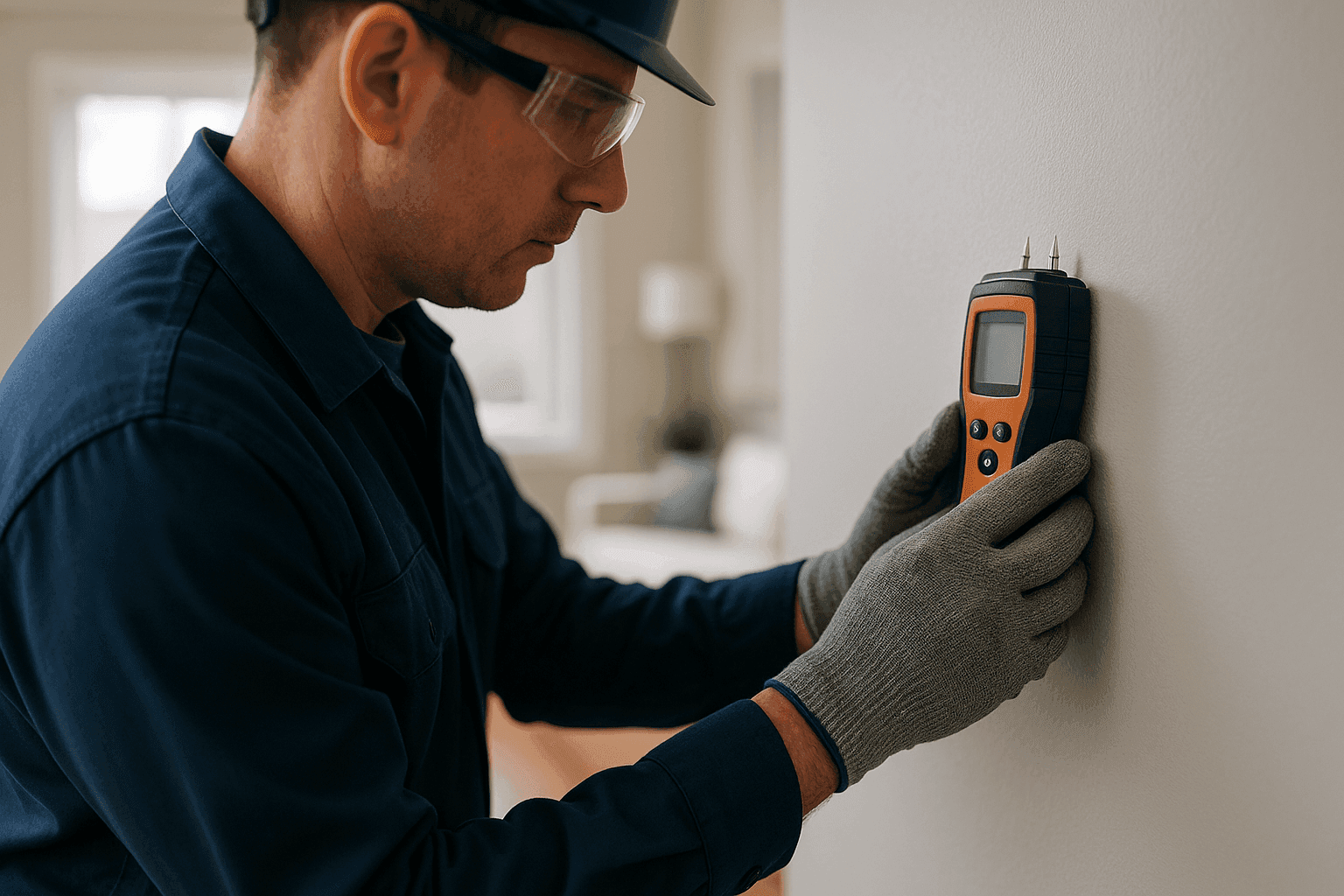
For stubborn leaks, technology is your friend. Moisture meters measure dampness in walls, ceilings, and floors—like a stud finder for water. Infrared cameras show temperature changes, revealing hidden damp spots without opening up walls.
Plumbers use these tools to find leaks fast, with less mess. According to the International Association of Certified Home Inspectors (InterNACHI), early leak detection with these devices can prevent thousands in water damage and mold remediation.
When to Call a Pro
DIY is great for small drips. But there’s a line. Here’s when you should reach out for professional help:
- You can’t find the leak, but signs are clear: Mystery stains or rising bills with no visible source.
- Multiple leaks, or damage near electrical/gas lines: Leave these to licensed plumbers.
- Foundation cracks or shifting floors: In climates with freeze-thaw cycles or expansive soils, leaking pipes can worsen cracks or cause settling.
- Persistent mold: Mold can be a symptom of ongoing moisture—and a health risk.
- Bubbling paint, warped wood, or sagging drywall: These are signs the leak has gone too far for DIY.
Our certified leak detection specialists use advanced tools and years of experience to track down even the sneakiest leaks.
What Pros Do On Arrival
Expect a thorough assessment. Here’s what happens:
- Visual inspection: Looking for stains, puddles, or corrosion.
- Pressure testing: Checking if your system holds steady or loses pressure, indicating a leak.
- Moisture mapping: Using meters and thermal cameras to pinpoint moisture behind walls or under floors.
- Targeted investigation: If needed, using small access holes or cameras to confirm the leak location.
- Clear recommendations: You’ll get practical repair options, from pipe repair to repiping or fixture installation.
Every step follows local codes and safety guidelines, with a focus on minimizing disruption to your home.
Prevention & Maintenance
An ounce of prevention is worth a pound of pipe repair. Here’s how to stay ahead:
- Schedule annual plumbing checkups: A pro can spot small issues before they become big headaches.
- Insulate pipes in cold climates: Freezing pipes are a top cause of hidden leaks.
- Install water alarms: These handy gadgets alert you to leaks as soon as they start.
- Fix small drips fast: Even a slow leak can waste thousands of gallons a year.
- Check water pressure: High pressure can stress pipes and cause leaks—aim for 40–60 psi.
A little maintenance goes a long way toward avoiding emergency plumbing calls at 2 a.m.
Costs & Time Factors
Leak detection and repair don’t happen overnight. Here’s what impacts the process:
- Type and location of the leak: Under-slab leaks take longer (and cost more) than a leaky faucet.
- Accessibility: Hidden leaks in finished walls or floors require careful work to minimize damage.
- Tools and tech needed: Advanced detection equipment can speed things up, but adds to cost.
- Repair method: A patch-up is quicker than full pipe replacement.
Most leak detection can be done in a few hours. Repairs range from same-day fixes to multi-day jobs for complex issues. Water damage restoration, if needed, adds time and expense.
When It’s an Emergency
Some leaks can’t wait.
- Major water flow you can’t stop: Shut off your main valve and call emergency plumbing immediately.
- Gas line leaks: If you smell gas, evacuate and call emergency services. Expert Plumbing handles Gas Line Installation near you safely.
- Leaks near electrical panels: Water and electricity are a dangerous combination.
- Sewage backups: Raw sewage is a serious health hazard. Don’t wait—call for help.
Your safety—and your home—comes first.
FAQ
How do I know if a leak is behind a wall?
Look for discoloration, bubbling paint, or musty odors. Moisture meters and thermal cameras can confirm hidden leaks.
Is a small leak really a big deal?
Yes. Even a tiny drip can cause mold, rot, and costly repairs over time. The EPA estimates a household leak can waste nearly 10,000 gallons a year.
What if I hear water running but can’t find a leak?
Check your water meter. If it still moves when all fixtures are off, call for professional leak detection.
Can foundation cracks be caused by leaks?
Absolutely. In regions with clay soil or heavy freeze cycles, leaking pipes can worsen cracks and lead to structural issues.
Local & Seasonal Considerations
Climate shapes plumbing problems. In cold areas, winter can freeze pipes—causing bursts and hidden leaks when they thaw. In the South or humid regions, slab leaks can go unnoticed until mold or foundation cracks appear. Heavy rains can stress sewer lines, making leak detection even trickier.
If you live in an older home or an area with shifting soils, pay extra attention to warning signs. Preventative maintenance and backflow testing can head off major issues before they start.
Leaks are sneaky, but you don’t have to face them alone. Whether it’s a stubborn drip, a soaked ceiling, or a mystery puddle, our licensed team is ready—day or night. For emergency plumbing, leak detection, or Gas Line Installation near you, we’re only a call away.
Call Expert Plumbing now — or reach us anytime at 877-837-7735 .