Choosing the Right Water Filtration System for Your Home
Is your tap water tasting odd? Maybe you’ve noticed stains on your sink or a lingering chlorine smell in your shower. These are signs your water might need help. With so many filtration systems out there, picking the right one can feel like trying to drink from a fire hose.
At Expert Plumbing, we’ve helped countless families find safer, cleaner water—whether it’s a sudden emergency plumbing issue or just a long-overdue upgrade. Let’s walk through what you need to know to choose the best water filter for your home.
Why Water Quality Matters 🚰
Water is more than what you drink. It’s what you cook with, bathe in, and use every day. If your water isn’t clean, it’s not just an inconvenience—it can affect your health, your appliances, and even your peace of mind.
Many areas across the country face challenges like:
- Hard water (mineral buildup)
- Chlorine or chemical tastes and smells
- Lead from aging pipes or infrastructure
- Bacteria or organic contaminants after storms or main breaks
The U.S. Environmental Protection Agency (EPA) and local water authorities set standards, but your home’s pipes, city mains, and even seasonal changes can influence what comes out of your tap. That’s why understanding your water quality is the first step.
Filtration System Types
Not all water filters are created equal. Here are the most common systems for homes, each with its own strengths and best uses.
Pitcher Filters
Think of these as the “grab-and-go” of water filtration. Pitchers use replaceable cartridges to remove basic contaminants—mostly chlorine, some sediment, and a handful of metals. Great for renters or those wanting a quick fix. But they only filter a small amount at a time.
Good for:
- Improving taste and odor
- Small households
- Low-budget or portable solutions
Limitations:
They don’t handle heavy metals, bacteria, or high sediment. Cartridges need frequent changing.
Under-Sink Filters
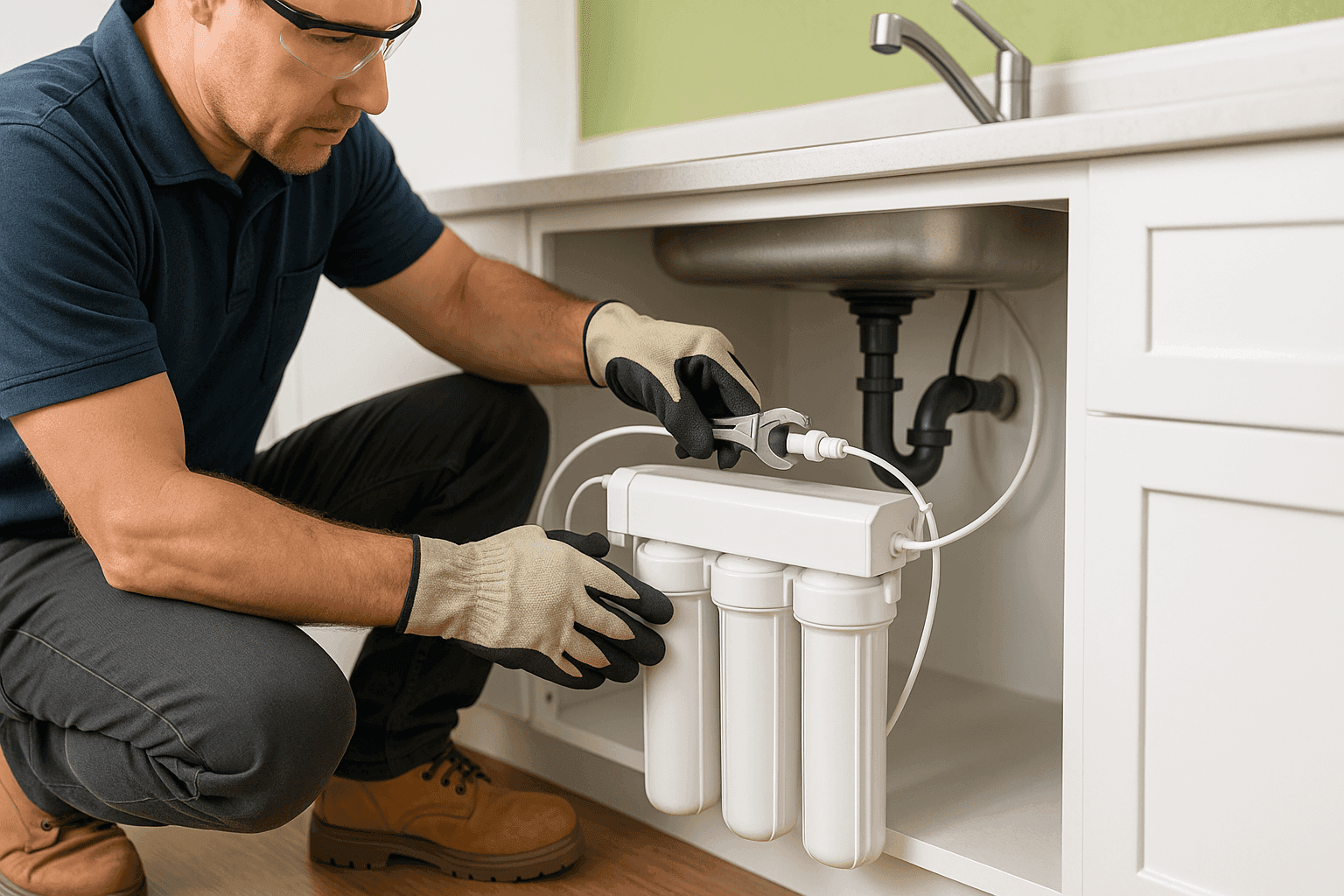
These sit quietly under your kitchen sink, filtering water before it reaches your faucet. Some use carbon blocks; others use reverse osmosis (RO) membranes. RO systems are powerhouses—they remove lead, arsenic, nitrates, and even some bacteria.
Good for:
- Drinking and cooking water
- Families concerned about lead or chemical contaminants
Limitations:
Installation is more involved. Some systems waste water during filtration (especially RO). Regular filter changes needed.
Whole-House Systems
These systems connect to your main line, treating water before it reaches any faucet or appliance. They can tackle sediment, chlorine, and even scale buildup. Some models combine filters with UV light for bacteria and virus removal.
Good for:
- Homes with well water or heavy sediment
- Protecting all appliances from scale and corrosion
- Those with allergies or sensitive skin
Limitations:
Upfront cost is higher. Maintenance and filter changes are essential. Not all systems remove every contaminant, so make sure to match to your needs.
Evaluating Your Water
Before you pick a filter, you need to know what’s in your water. Guessing is like swatting at shadows. Here’s how to get a clear picture:
Step 1: Request Your Local Water Quality Report
Most municipal suppliers publish annual Consumer Confidence Reports (CCR). These show detected contaminant levels and how your water stacks up against EPA safety standards.
Step 2: Home Water Testing
If you’re on a private well—or suspect issues not covered in the CCR—a home water test is smart. You can buy kits at hardware stores or ask us about professional testing. Look for:
- Lead
- Chlorine and chloramine
- Nitrates/nitrites (common near farms)
- Hardness (calcium, magnesium)
- Bacteria (especially after flooding or main breaks)
Step 3: Match Filter to Contaminant
Different filters tackle different problems. Here’s a quick cheat sheet:
- Carbon filters: Remove chlorine, some pesticides, and unpleasant tastes.
- Reverse osmosis: Removes lead, arsenic, nitrates, some bacteria.
- Water softeners: Target hard water minerals (not chemicals or bacteria).
- UV systems: Neutralize bacteria and viruses—good for well water.
Check certifications from NSF International or the Water Quality Association to ensure your system removes what it says it does.
Installation and Maintenance 🛠️
A water filter isn’t set-and-forget. Like a car, it needs regular care to keep running smoothly.
Installation Tips
- Pitcher filters: Just fill and go—no plumbing required.
- Under-sink: Some DIYers can handle these, but tricky plumbing connections or cramped cabinets often need a pro, especially if you want a system that pairs with Gas Line Installation near you.
- Whole-house: These almost always need professional installation. Proper placement and correct sizing matter for maximum protection.
Maintenance Musts
- Replace filters on schedule. Old filters can harbor bacteria or get clogged, reducing effectiveness.
- Clean pitcher and faucet aerators regularly to prevent slime or buildup.
- For RO and UV systems, annual checks by a licensed plumber are smart—especially if you rely on emergency plumbing services.
Check your user manual for filter life, or mark dates on your calendar. Some systems have lights or alarms to remind you.
Local Water Quality Considerations
Water issues vary by region, season, and even neighborhood. In older areas, pipe corrosion can lead to lead or copper leaching—especially after heavy rain or roadwork. In rural zones, runoff can introduce pesticides or nitrates.
If you’ve had recent plumbing work, pipe repair, or Gas Line Installation near you, always test your water afterward. Plumbing codes require backflow prevention and regular backflow testing to keep contaminants out of your clean supply.
Certifications to Look For
Don’t just take a manufacturer’s word for it. Look for these independent seals:
- NSF/ANSI Standards: Ensure filters remove what they claim.
- Water Quality Association Gold Seal
- EPA WaterSense (for some products)
Certified filters are tested by labs—not just the companies selling them.
Tips for Choosing the Right System
- Start with a test. Don’t buy blind—match filter to your water report.
- Consider usage. Are you filtering just drinking water, or the whole house?
- Budget for maintenance. Filters need regular replacement.
- Check flow rate. Some systems slow water down—make sure it matches your household needs.
- Account for emergencies. If you’re worried about sudden contamination (like after a water main break or during emergency plumbing repairs), keep extra filters on hand.
Maintaining Your Water Filtration System
A neglected filter is like a clogged artery—flow slows, and quality drops.
- Set reminders for filter changes.
- Inspect for leaks at every change. A slow drip can quickly become a bigger issue, requiring leak repair or even pipe repair.
- Flush systems after vacations. Stagnant water can let bacteria grow.
- Schedule annual inspections for complex systems, especially if you have a water softener, RO, or UV setup.
When to Call a Professional
DIY is great for pitcher filters. Under-sink and whole-house systems? Not always. Call a plumber if:
- You’re not comfortable with pipe cutting or valve shutoffs
- Your home has old or unusual plumbing layouts
- You need to pair filtration with emergency plumbing or Gas Line Installation near you
- You notice leaks, water pressure drops, or strange noises after installation
Plumbers also check for code compliance, backflow prevention, and can spot hidden issues before they become emergencies.
Frequently Asked Questions
How often should I change my water filter?
It depends on the system and your water quality. Pitcher filters: every 1–2 months. Under-sink: every 6–12 months. Whole-house: 3–6 months. Always check your manual.
Can water filters remove bacteria and viruses?
Most carbon filters do not. For bacteria/virus removal, choose reverse osmosis with UV light or a certified UV system.
Is filtered water safe for pets and plants?
Yes! In fact, removing chlorine and heavy metals can help sensitive pets and keep plants healthier.
Do I need a filter if I already have city water?
Municipal water meets safety standards, but pipes and local issues can still cause taste, odor, or occasional contamination. A filter adds an extra layer of protection.
Seasonal and Local Considerations 🌦️
Spring rains, summer droughts, or winter pipe breaks can all affect your water. If you notice changes in taste, odor, or color—especially after storms or roadwork—test your water and check your filters. Always follow local boil-water advisories.
If you’re in an area with freezing winters, protect outdoor pipes and filtration equipment from frost. Insulation and regular maintenance help prevent emergencies.
Ready for Cleaner, Safer Water?
Choosing the right water filtration system is like picking the perfect lock for your front door—you want the right fit, proven security, and peace of mind. If you’re not sure which filter is best, or need help with installation, leak detection, or emergency plumbing, our licensed team is always here to help.
Call Expert Plumbing now — or reach us anytime at 877-837-7735 .