How to Choose the Right Plumber: Credentials, Questions & Red Flags
When water’s gushing from a burst pipe or your kitchen drain is suddenly a swamp, there’s no time for guessing games. Choosing the right plumber isn’t just about fixing the immediate mess—it’s about protecting your home, family, and wallet from bigger problems down the road.
At Expert Plumbing, we know how stressful emergency plumbing can be. You want fast, honest help. But you also need someone you can trust, especially when it comes to gas line installation, leak repair, or sewer line inspection. Here’s how to confidently choose the right plumber for any job, big or small.
Credentials to Look For 🪪
Would you hand your house keys to a stranger? Probably not. The same goes for plumbing. Proper credentials are your first line of defense.
Key Credentials:
- License: Every reputable plumber carries a valid license. This isn’t just a piece of paper—it means they’ve passed exams on safety codes and best practices. State and local requirements vary, so check with your city’s building department or the National Association of Plumbing-Heating-Cooling Contractors (PHCC).
- Insurance: Accidents happen, even to the best. A professional carries both liability insurance and worker’s comp. This protects you if someone’s hurt or your property is damaged.
- Bonded: A bonded plumber has set aside funds to cover any claims if something goes wrong. Think of it as a safety net.
- Certifications: For specialized work like gas line installation near you or backflow prevention, look for extra training or certifications.
- References & Reviews: Check the Better Business Bureau (BBB), Google, or trusted review sites. Patterns of reliable service (or the opposite) stand out.
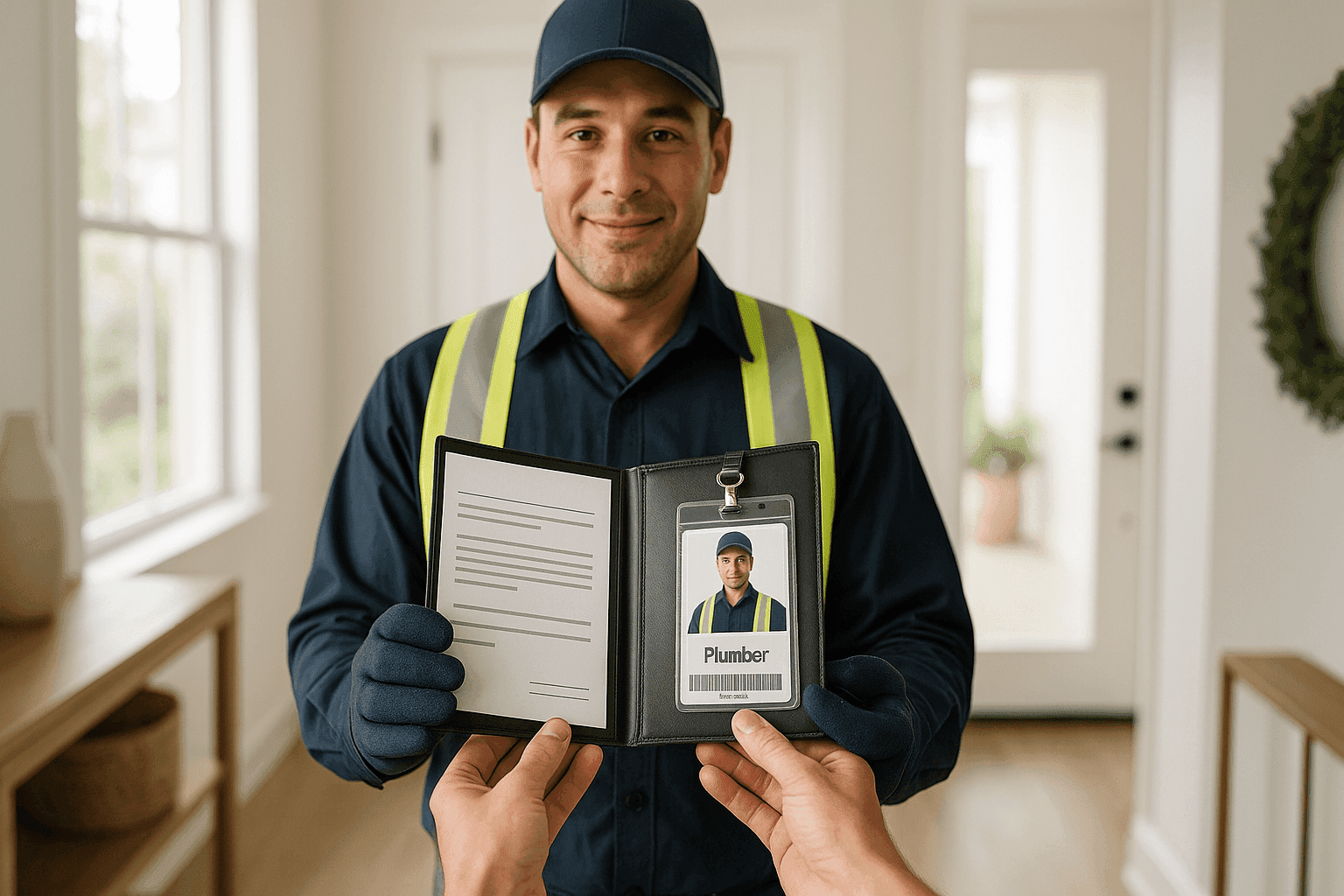
Pro Tip: Always ask to see a plumber’s license and proof of insurance. A true pro will show these without hesitation.
Essential Questions to Ask 🤔
Don’t be shy. Treat your phone call or first meeting like a job interview. Here’s what to ask before hiring:
- Are you licensed and insured in my city/town?
- Do you have experience with my specific issue (e.g., sump pump repair, gas safety checks, water heater installation)?
- Will you provide a written estimate before starting any work?
- What is your response time for emergency plumbing calls?
- Do you offer warranties on parts and labor? If so, for how long?
- Who will actually do the work—are they employees or subcontractors?
- Can you provide recent references from local homeowners?
- What steps do you take to ensure work meets local plumbing codes?
- How do you handle unexpected problems or costs?
Jot these down. A trustworthy plumber welcomes questions and answers clearly—no dodging, no jargon, just straight talk.
Red Flags to Avoid 🚩
Not all plumbers play by the rules. Watch for warning signs that something’s off:
- No License or Insurance: If they dodge the question or “forgot it at home,” move on.
- Vague or Verbal Estimates: Always insist on a written estimate. Verbal promises can vanish faster than water down a drain.
- Unusually Low Prices: If it sounds too good to be true, it probably is. Cut-rate bids often mean shortcuts or surprise fees later.
- Pressure Tactics: High-pressure sales or scare tactics (“This has to be fixed NOW or your house will flood!”) are red flags.
- Poor Communication: Not returning calls, dodging questions, or showing up late signals future headaches.
- No References: A plumber who can’t provide a few recent, satisfied customers probably doesn’t have them.
- No Physical Address: Reliable companies have an office or shop—not just a cell phone and a van.
- No Upfront Pricing: Watch out for “open-ended” pricing or requests for full payment before work begins.
Protect your home by trusting your gut. If something feels off, it probably is.
Local vs. National Pros 🏠
When your basement floods at 2 a.m., do you want a call center or a neighbor who knows the area? Here’s the scoop:
Local Plumbers:
- Know city and county plumbing codes inside out.
- Build long-term relationships in the community.
- Offer faster response times—especially for emergency plumbing.
- Understand local water issues, from mineral buildup to seasonal pipe bursts.
National Chains:
- May have more marketing and bigger teams, but you might get a rotating cast of techs.
- Sometimes subcontract work to local plumbers anyway.
- Less likely to know the quirks of your neighborhood’s plumbing, old pipes, or water heater setups.
For peace of mind, especially with jobs like sewer line repair or gas line installation near you, a local, licensed plumber is often your best bet.
Why Licensing Matters 💡
Plumbing isn’t just about wrenches and pipes. It’s about your health and safety.
- Legal Compliance: Licensed plumbers follow state and local codes—these are there for a reason. For example, improper gas line installation isn’t just a code violation; it’s a serious fire and safety risk. The International Association of Plumbing and Mechanical Officials (IAPMO) sets standards that protect homeowners.
- Up-to-Date Knowledge: Codes change. Requirements for backflow prevention, water heater venting, and even toilet flush volumes are updated regularly. Licensed plumbers are required to keep learning.
- Insurance Issues: Some home insurance policies won’t cover damage caused by unlicensed work.
- Accountability: If something goes wrong, you have recourse with licensing boards.
Bottom line: Licensing isn’t red tape—it’s your shield against unsafe shortcuts.
Practical Tips for Homeowners
- Check the License: Visit your local municipality’s website to verify the plumber’s license number.
- Compare Written Estimates: Look for clear breakdowns (labor, parts, permits, etc.).
- Ask About Permits: For big jobs (like repiping or sewer line installation), permits are required. A pro will handle this for you.
- Clarify Payment Terms: Never pay 100% up front. A deposit is normal, but the balance should come after work is done and inspected.
- Document Everything: Save quotes, invoices, permit records, and warranty info. It helps if problems pop up later.
Common Questions from Homeowners
Q: How fast should a plumber respond to emergency plumbing calls?
A: Many offer 24/7 service, but “emergency” can mean different things. Ask for specifics on average response times—especially if your issue can’t wait till morning.
Q: Are there risks if I hire an unlicensed handyman for plumbing?
A: Yes. Unlicensed work can void insurance, fail to meet code, and create safety hazards—especially with gas lines or sewer repairs.
Q: Can I check a plumber’s reviews and BBB standing?
A: Absolutely. Look up their business name on the BBB website, Google, and trusted platforms. Consistent positive feedback is a good sign.
Q: What about guarantees or warranties?
A: Ask what’s covered, for how long, and what could void the warranty. Get it in writing.
Local & Seasonal Considerations
Every area has unique plumbing quirks. In some regions, mineral-heavy water can clog pipes and water heaters; elsewhere, freezing temperatures bring burst pipes each winter. Local plumbers know these patterns and can recommend preventative maintenance tailored to your climate.
If you’re planning a big job—like water heater installation, repiping, or sewer line inspection—make sure your plumber understands local permitting requirements and seasonal risks. For example, some cities restrict certain repairs during winter, or require backflow testing after heavy rains.
In Closing
Choosing the right plumber saves you time, money, and stress. Look for licenses, insurance, and clear communication. Ask the tough questions, trust your instincts, and never settle for vague answers. For everything from gas line installation near you to late-night leak repairs, the right pro makes all the difference.
Call Expert Plumbing now — or reach us anytime at 877-837-7735 .