How to Choose the Best Water Filtration System for Your Home
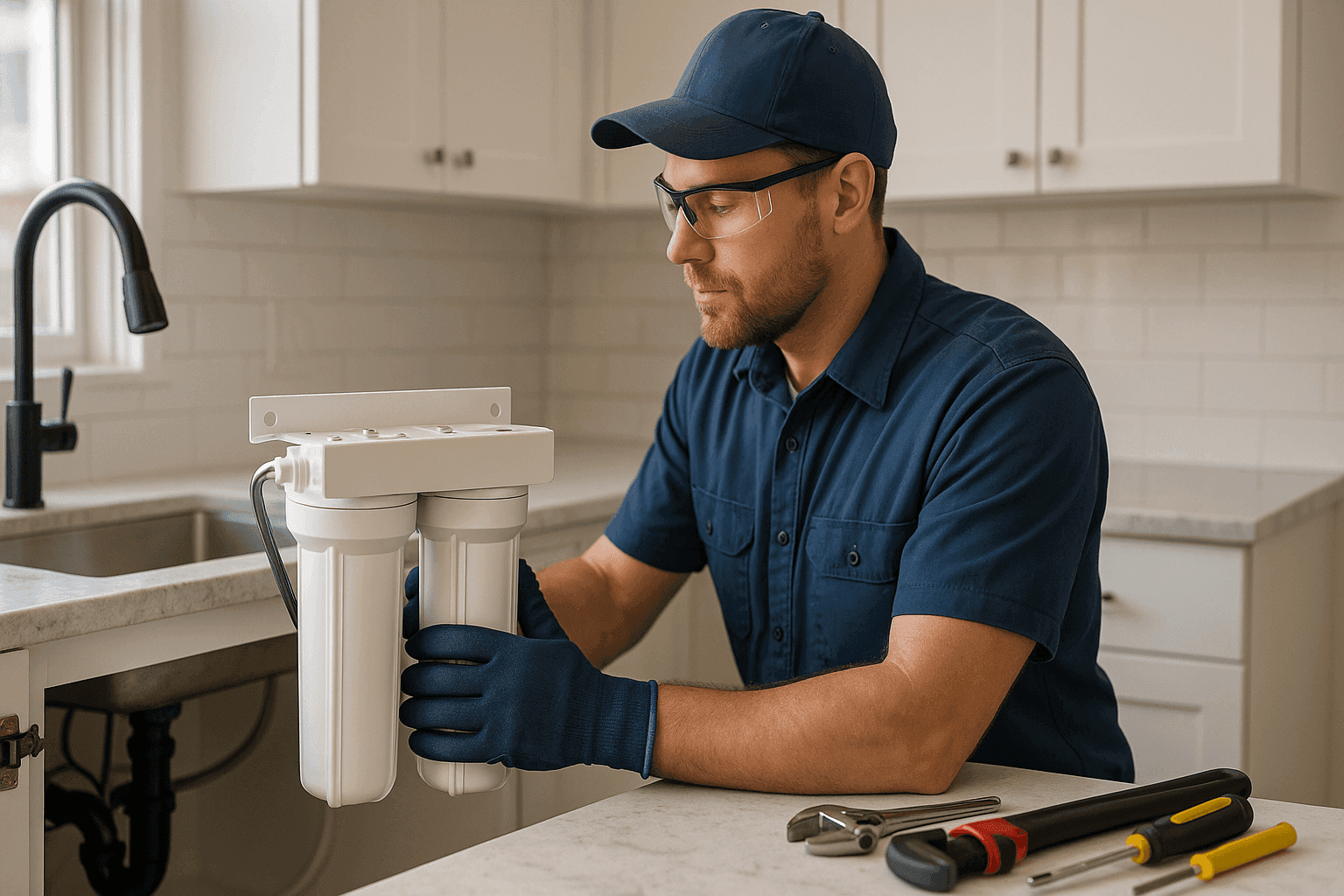
Feeling uneasy about the water from your tap? You’re not alone. Safe, clean water is something every family deserves, but picking the right filtration system can seem as tricky as untangling a knotted hose.
Whether you’re worried about odd tastes, health risks, or just want to know what’s flowing into your glass, Expert Plumbing is here to help. With decades of emergency plumbing experience and up-to-date industry knowledge, we’ll guide you step-by-step—no fluff, just clear answers.
Why Water Filtration Matters 🛑
Imagine your water is like a river running through a city. Along the way, it picks up everything—good and bad. Some of these “souvenirs” can be harmless minerals. Others, like lead, chlorine, or bacteria, can cause problems for your health or plumbing.
- EPA and CDC research shows that contaminants in drinking water can lead to both short-term and long-term health issues. Even if your water looks and smells fine, invisible threats may still be present.
- Local emergencies—like pipe breaks or sewer line damage—can suddenly change your water quality. Emergency plumbing services, including Gas Line Installation near you, often reveal hidden contamination.
Filtering isn’t just about the taste. It’s about safety, peace of mind, and sometimes protecting your pipes or appliances from damage.
Types of Filtration Systems
Let’s break down the main options, from single-faucet filters to whole-house systems. Each one solves a different problem—kind of like picking the right wrench for a stubborn bolt.
Reverse Osmosis (RO) Systems
Pros:
- Removes a broad range of contaminants, including heavy metals, nitrates, and some bacteria.
- Produces crisp, clear-tasting water.
- Good for households with serious water quality concerns.
Cons:
- Wastes some water during the process.
- Slower output; not ideal for high-demand spots.
- Strips out some healthy minerals.
Activated Carbon Filters
Pros:
- Great at improving taste and smell by removing chlorine and some chemicals.
- Quick and simple to swap out.
- Affordable for most families.
Cons:
- Doesn’t remove dissolved minerals or many microorganisms.
- Filter lifespan can be short—watch for replacements.
Ultraviolet (UV) Purification
Pros:
- Kills bacteria and viruses without chemicals.
- No added taste or odor.
Cons:
- Only works if water is already clear—sediment can block UV rays.
- Doesn’t remove chemicals or metals.
Whole-House vs. Under-Sink
- Whole-house systems treat every drop—showers, laundry, kitchen. Perfect for homes with widespread water worries (like old pipes or well water).
- Under-sink units focus on one faucet. Great for drinking and cooking, but won’t protect bathrooms or appliances.
Matching Filter to Water Source
Your home’s needs depend on what’s in your water. Testing is the first step—think of it like checking vital signs before any plumbing repair.
- City water: Usually treated for bacteria, but may have chlorine, lead, or byproducts.
- Well water: Risks include bacteria, nitrates, sediment, and sometimes sulfur odors.
Contact your local health department or use an EPA-certified lab for testing. Some emergency plumbing calls (pipe repairs, leak detection) reveal water quality issues, so regular checks matter.
Installation Tips
Choosing a filter is a big step. Installing it right is just as important.
- Always read the manufacturer’s instructions—some filters have specific code requirements.
- If your home has unique plumbing (like old copper pipes or recent Gas Line Installation near you), installation can be tricky. Don’t force fittings; leaks can be costly.
- For complex units (whole-house, RO, or UV), hiring a licensed plumber saves you headaches and ensures code compliance.
Maintenance Requirements 🧰
No filter lasts forever. Forgetting to change them is like using a dirty sponge to wash dishes—it just moves the mess around.
- Filter lifespan varies: Carbon cartridges may last 2–6 months; RO membranes about 1–2 years; UV lamps usually 12 months.
- Mark your calendar or set a reminder for replacements.
- Always check for leaks or pressure drops after service. These can signal clogged filters or installation issues.
Routine plumbing inspections can catch problems early. Preventative maintenance, like seasonal drain cleaning or leak detection, helps keep your system running smoothly.
Practical Tips from Licensed Installers
- Check your home’s water pressure before installing a new system. High pressure can damage filters; low pressure might mean leaks or pipe issues.
- After any water heater installation or major plumbing work, flush lines before using your filter system.
- If you notice a sudden change in water taste or smell, act fast. Unusual odors can signal emergency plumbing issues or filter failure.
Choosing With Confidence: Final Thoughts
No single filter fits every home. Think about your water source, health priorities, and household size. Don’t be afraid to ask for help—licensed plumbers have seen it all, from tiny leaks to major backflow problems.
For more details on safe installation and maintenance, check out resources from the CDC and EPA. They offer guidance on testing, contaminant limits, and best practices for home water safety.
Still Have Questions? FAQ
How do I know which contaminants are in my water?
Start with a certified water test. Your city may provide reports, but private labs give the clearest picture. Plumbing issues—like frequent leak repairs or pipe corrosion—can also hint at hidden problems.
Is a whole-house filter worth it?
If you want protection at every tap, especially in older homes or homes with well water, yes. For drinking and cooking only, under-sink systems might be enough.
Can I install a filter myself?
Simple faucet or under-sink units are DIY-friendly with basic tools. For complex systems (whole-house, UV, or anything tied to emergency plumbing repairs), call a licensed professional.
How often should I change my filter?
Follow the manufacturer's guidelines. As a rule, carbon filters last 2–6 months, RO membranes 1–2 years, and UV bulbs about a year. Always check for visible buildup or pressure changes.
Local and Seasonal Considerations 🌦️
- In areas with hard water, sediment filters or softeners may be needed before your main system.
- After heavy rains or local flooding, test your water—even if it’s city-supplied. Contaminants can sneak in.
- If your home had recent plumbing repairs (like repiping or emergency Gas Line Installation near you), flush your lines and check all filters.
Your water is as personal as your home. Choosing the right filtration system gives you control, clarity, and comfort.
Call Expert Plumbing now — or reach us anytime at 877-837-7735 .