Bathroom Plumbing Problems: Troubleshooting & Quick Fixes
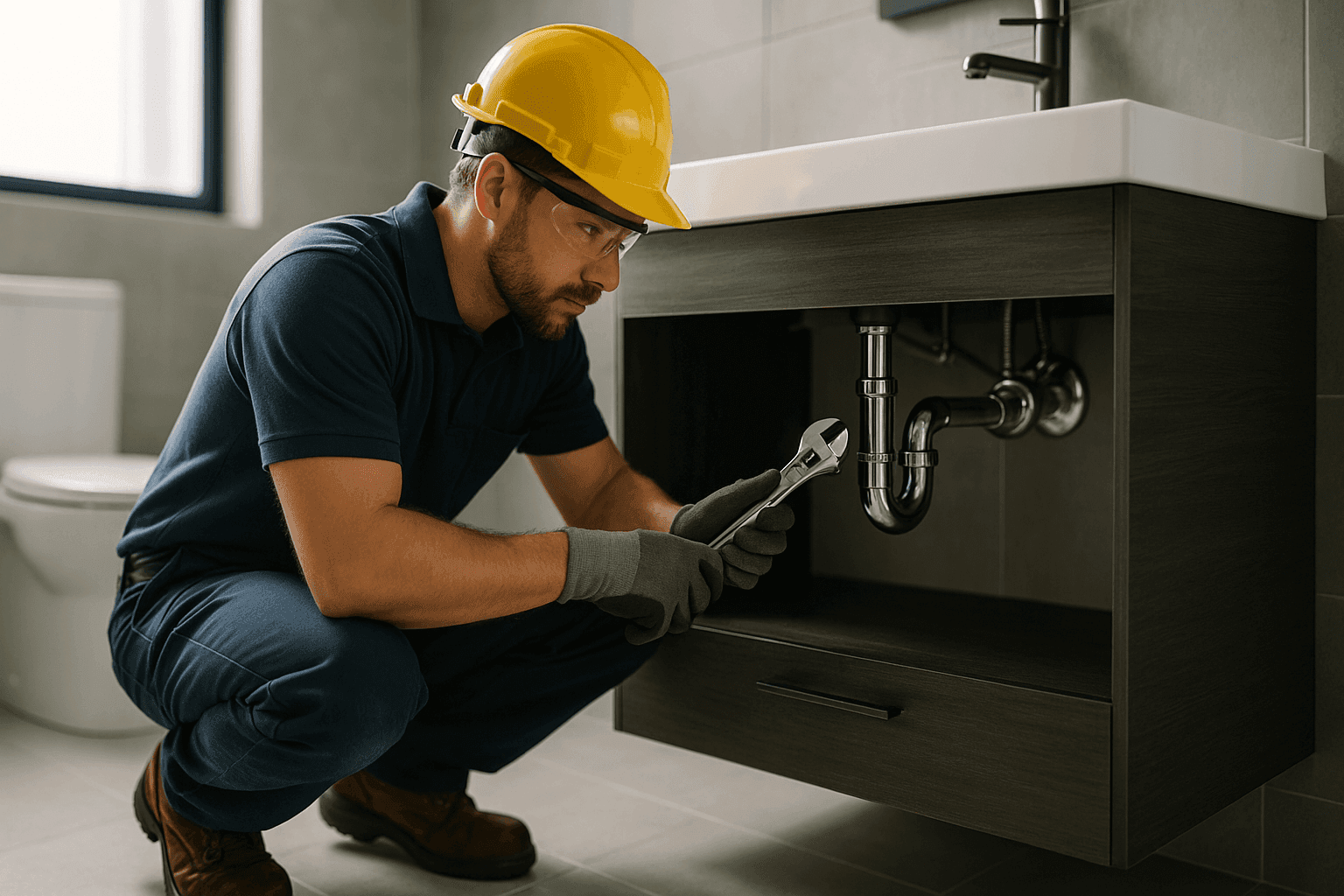
Is your bathroom starting to sound like a haunted house? Dripping, gurgling, or that endless trickle in the toilet tank? You’re not alone. Plumbing issues have a knack for showing up at the worst times—late at night, before work, or when guests are due any minute.
At Expert Plumbing, our certified technicians have seen it all—burst pipes, ghostly leaks, stubborn clogs. We know what matters: quick, safe solutions that keep your home dry and your routines running. Before you panic or reach for the plunger, let’s walk through some common bathroom plumbing problems and what you can do right now.
Identifying Bathroom Plumbing Issues 🛁
Some bathroom problems shout for attention; others whisper. Here’s how to tell what’s happening:
Toilet Troubles
- Running toilet: If your toilet keeps refilling, it’s often a flapper or fill valve issue.
- Clogged toilet: Slow draining, bubbling, or water rising toward the rim signals a blockage.
- Leaks around the base: Water pooling can mean a bad wax ring or loose bolts.
Sink Snafus
- Slow drains: Hair, soap, and toothpaste can gum up the works beneath your sink.
- Dripping faucet: Even a slow drip can waste gallons a day (EPA estimates a leaky faucet wastes over 3,000 gallons per year).
- Water under the cabinet: Check for loose supply lines or corroded trap pipes.
Shower & Tub Setbacks
- Standing water: Drains should empty quickly. If not, it’s likely a clog.
- Low water pressure: Mineral buildup, especially in hard water areas, can choke off flow.
- Leaky showerhead: Dripping after shutoff? Often a worn washer or faulty valve.
Quick DIY Fixes
Tackling some issues yourself can save time and stress. Here’s how to handle the most common:
- Plunge gently: For clogs, a cup plunger works wonders. Avoid harsh chemicals—they can damage pipes and violate local codes.
- Tighten connections: Hand-tighten supply lines; don’t overdo it or you’ll crack fittings.
- Replace washers: A simple screwdriver swap for faulty washers or flappers can stop leaks.
- Clear hair clogs: Use a plastic drain snake or bent wire to fish out hair from tub or sink drains.
Safety tip: Always turn off the water supply before unscrewing any fittings or opening pipes.
When to Call a Plumber
Some warning signs mean it’s best to pick up the phone for emergency plumbing help:
- Persistent leaks that return after tightening or resealing.
- Sewage smells or water backing up into the tub or toilet.
- Water stains on ceilings or walls below your bathroom. Hidden leaks can rot floors and breed mold.
- No water flow or pipes making banging noises—possible signs of airlocks, blockages, or even burst pipes.
If you’re facing gas-related plumbing (like “Gas Line Installation near you” or gas safety checks), always call a licensed professional. Gas leaks are serious—call emergency services right away if you smell rotten eggs or suspect a leak.
Tips from Certified Technicians
Our plumbers recommend:
- Check your shut-off valves twice a year. Make sure you and your family know where they are.
- Don’t ignore drips. Even a small leak can become a major repair.
- Watch for slow drains. It’s easier to clear a partial clog than a full blockage.
Special Considerations for Hard Water Areas
If you live in a region with hard water, mineral scale is your sneaky enemy. Faucets, showerheads, and even pipes can clog with calcium buildup. Installing a water filtration system can extend the life of your plumbing.
Bathroom Plumbing Red Flags
Call for help if you notice:
- Repeated clogs in the same drain.
- Unusual sounds like gurgling or banging.
- Sudden drop in water pressure throughout the bathroom.
- Wet spots on floors, near fixtures, or walls.
These can signal deeper problems such as broken sewer lines, collapsed pipes, or failing water heaters.
Quick Safety Checklist ✅
Before you try any repair:
- Turn off the fixture’s water supply (knob under sink or behind toilet).
- Have a towel and bucket handy for spills.
- Wear gloves—plumbing can get messy.
- Never mix chemical drain cleaners.
- For gas plumbing, never attempt repairs yourself.
DIY vs. Call a Pro
Here’s a good rule of thumb:
- DIY Friendly: Replacing toilet flappers, plunging clogs, tightening loose faucets, clearing visible hair.
- Call a Pro: Leaks inside walls, sewer odors, gas plumbing, water heater issues, repeated or multiple clogs, backflow problems.
Remember, local building codes (like those from the International Association of Plumbing and Mechanical Officials) often require permits and licensed professionals for major work.
What Pros Do On Arrival
When our technicians arrive, they:
- Inspect the issue and ask about recent changes or symptoms.
- Use leak detection tools and, if needed, video cameras for sewer line inspection.
- Test water pressure and check for backflow.
- Make repairs using code-compliant materials, minimizing disruption to your home.
Prevention & Maintenance
A stitch in time saves nine—especially with plumbing.
- Clean drain stoppers weekly.
- Avoid flushing wipes, cotton balls, or hygiene products.
- Inspect under sinks for drips or corrosion.
- Schedule annual plumbing checkups, especially if you’ve had previous leaks or live in an older home.
Costs & Time Factors
Every plumbing problem is different. Simple fixes (like a flapper or washer) can take minutes and cost little. More complex repairs—like pipe replacement, sewer line repair, or water heater installation—may take hours or require permits.
Emergency plumbing rates can be higher for after-hours calls. If you’re in doubt, call for a quick assessment.
When It’s an Emergency
It’s an emergency if:
- Water is flooding.
- You have no water at all.
- Raw sewage is backing up.
- A gas line is leaking or hissing.
Don’t wait. Shut off the water or gas at the main valve if it’s safe, then call for emergency plumbing help right away.
FAQ
How do I stop a running toilet?
Lift the tank lid and check if the flapper is sealing the flush valve. If it’s warped or loose, replace it. Sometimes, adjusting the chain or float fixes the issue.
Why does my bathroom smell musty?
Musty odors often mean hidden leaks. Check under sinks and around the toilet for moisture or mold. Persistent smells may require leak detection.
Can I pour boiling water down the drain to clear clogs?
Sometimes, but it’s risky for older pipes or PVC. Better to use a plunger or drain snake. Avoid harsh chemicals, which can damage pipes and are discouraged by local plumbing codes.
How often should I schedule plumbing maintenance?
Annual checkups are a good idea, especially in older homes or if you have hard water.
Local & Seasonal Considerations 🌦️
In colder months, pipes near exterior walls can freeze. Let faucets drip on freezing nights and insulate exposed pipes. In spring and summer, watch for root intrusion in sewer lines—tree roots seek out tiny cracks and can cause blockages. Hard water is another regional challenge; consider a filtration system to prevent scale.
No matter what’s happening in your bathroom, you don’t have to face it alone. If a problem is more than you can handle—or you just want it fixed fast and right—the team at Expert Plumbing is ready.
Call Expert Plumbing now — or reach us anytime at 877-837-7735 .