Backflow Prevention: Protecting Your Home’s Water Supply
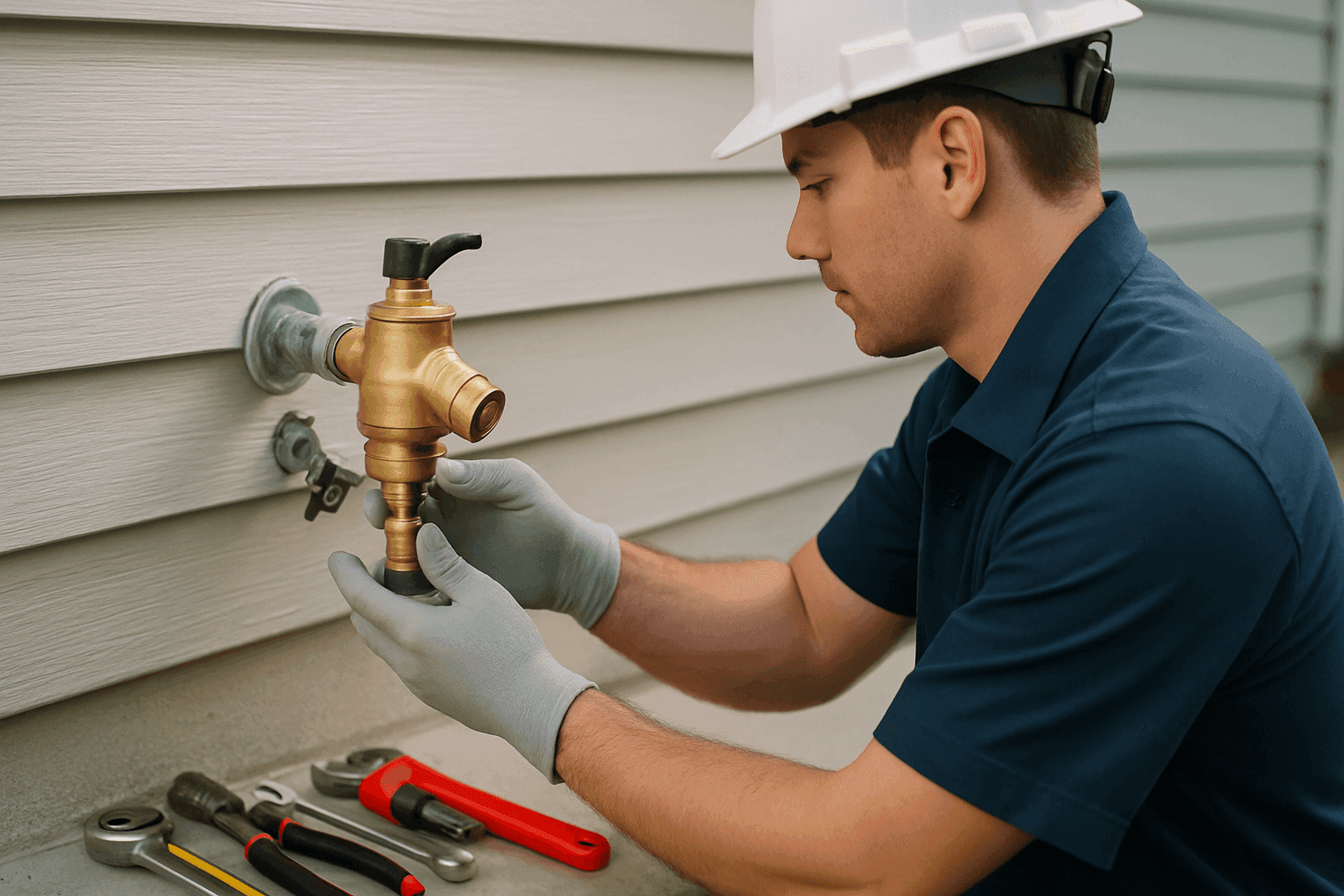
Water comes into your home every day. You drink it, cook with it, and trust it to be clean. But what if something unseen started moving the wrong way in your pipes? That’s when backflow can turn a simple glass of water into a risk for your family’s health.
At Expert Plumbing, we understand how fast a plumbing emergency—like backflow—can threaten your peace of mind. You want to do the right thing for your loved ones, and protecting your water should never feel complicated or out of reach.
What Is Backflow? 🚰
Imagine your plumbing as a network of one-way streets. Water is supposed to flow in just one direction—from the city supply into your home. Backflow is when water suddenly moves the wrong way. It can carry dirt, chemicals, or even sewage into your drinking water.
Why does this happen? Sometimes, a sudden change in water pressure—like a water main break or a fire hydrant in use—can create a vacuum. That vacuum sucks water backward through pipes, mixing clean water with contaminated sources.
This isn’t just a plumbing headache. It’s a matter of health. According to the Environmental Protection Agency (EPA), backflow can lead to serious illnesses if it brings bacteria or chemicals into your home’s supply.
Common Causes in Homes
Backflow can sneak up on almost any homeowner. Here are the most common triggers:
- Broken water mains: A sudden drop in pressure opens the door for backflow.
- Garden hoses left in puddles: The classic “hose in a bucket” scenario creates a direct path for dirty water to re-enter your pipes.
- Faulty toilet fill valves: If these aren’t properly installed, wastewater can get sucked into the clean water supply.
- Cross-connections: This is when your drinking water and non-potable water lines are physically connected, often by mistake.
Cross-connections are especially risky. Imagine filling a pool, watering the lawn, or washing your car with a hose submerged in soapy water. If pressure reverses, that water could end up in your kitchen tap.
Backflow Devices Explained 🛠
Backflow prevention devices are like sturdy gates on those one-way plumbing streets. Their job: stop water from going backward, no matter what happens outside.
Types of Devices
- Atmospheric Vacuum Breakers (AVB): Simple, reliable, and usually installed on outdoor faucets or irrigation lines.
- Pressure Vacuum Breakers (PVB): Common in sprinkler systems, they protect against backflow caused by back-siphonage.
- Double Check Valve Assemblies (DCVA): Used where the risk is a bit higher—like in commercial kitchens or some home irrigation setups.
- Reduced Pressure Zone (RPZ) Assemblies: The gold standard for high-risk areas. These are required by code for certain plumbing systems.
Each device is chosen based on local plumbing codes and the specific risks in your home. The installation process involves shutting off your water, cutting into the pipe, and securing the device—best left to a licensed plumber with emergency plumbing experience.
Maintenance & Testing Requirements
Backflow prevention isn’t a “set it and forget it” fix. Most local codes require annual testing by a certified technician. This isn’t just red tape—it’s about your family’s safety.
What’s involved in testing?
- Shutting off water and depressurizing the line
- Inspecting for leaks, corrosion, or damage
- Using calibrated gauges to verify the device works as intended
- Filling out a report for your local water authority
If a device fails, it must be repaired or replaced right away.
Health Risks: Why Backflow Protection Matters
A single backflow event can contaminate your entire home’s water supply. The risks range from mild stomach upset to severe illness if pathogens or chemicals enter the system.
The Centers for Disease Control and Prevention (CDC) notes that backflow incidents, though rare, have caused outbreaks of waterborne disease. Children, seniors, and those with weakened immune systems are especially vulnerable.
Code Compliance & Licensed Technicians
Every region has its own plumbing codes. Some require specific devices, installation methods, or even color-coding of pipes. Failure to follow these rules isn’t just a safety issue—it can land you in hot water with your local building authority.
At Expert Plumbing, our licensed technicians stay up-to-date on all regional regulations. We use approved devices and test them according to local standards, so you know your family’s water supply is in good hands.
Installation Process: What to Expect
Here’s how a typical installation unfolds:
- Assessment: We inspect your plumbing for cross-connections and risk factors.
- Device Selection: We choose the right device based on your system and local code.
- Installation: Water is safely shut off, the pipe is cut, and the device is installed with precision.
- Testing & Paperwork: After installation, the device is tested and results are submitted to the proper authorities.
This process is usually quick—often just a few hours—depending on your home’s setup.
Annual Testing: Your Safety Net 📝
Think of annual backflow testing like a yearly checkup for your plumbing. It’s not just about passing an inspection—it’s about preventing surprises that could put your family’s health at risk.
Most water authorities require proof of testing. If you miss your deadline, you could face fines—or even have your water shut off until testing is complete.
Signs You Need Backflow Prevention
Not sure if your home is protected? Watch for these warning signs:
- Water tastes or smells strange
- Discolored water at the tap
- Changes in water pressure after city work in your neighborhood
- Recurring issues with toilets, sinks, or drains
If in doubt, call for an inspection—especially if you have an older home or recent plumbing work.
Quick Safety Checklist
- Never leave hoses submerged in buckets, pools, or ponds
- Inspect outdoor faucets for leaks or missing vacuum breakers
- Know where your main shutoff valve is located
- Schedule annual backflow testing with a licensed plumber
- Replace faulty fill valves in toilets right away
DIY vs. Call a Pro
Some plumbing fixes are great for handy homeowners. Backflow prevention isn’t one of them. Devices must be installed and tested by certified professionals—no exceptions.
Why? Incorrect installation can create more problems than it solves. Local code violations, leaks, or device failure put your family and neighbors at risk.
What Pros Do On Arrival
When a plumber arrives for a backflow job, here’s what you can expect:
- A thorough inspection of your plumbing system
- Identification of any cross-connections or code issues
- Expert advice on the right device for your needs
- Clean, professional installation with minimal disruption
- Official testing, plus completion of paperwork for your water provider
We bring the right tools and knowledge to get it right the first time.
Prevention & Maintenance Tips
- Test your backflow device every year—mark it on your calendar
- Replace devices older than 10 years, or sooner if recommended
- Keep landscaping and debris away from outdoor devices
- If doing renovations or adding irrigation, notify your plumber to check for new cross-connections
Costs & Time Factors
Backflow device installation and testing is a worthwhile investment in your home’s safety. Costs depend on the type of device, your plumbing setup, and local permit fees.
- Installation time: 1–3 hours, depending on access and complexity
- Testing: Usually less than an hour
- Annual cost: Varies, but expect a modest fee for professional testing
Remember, fines for skipping testing—or for contamination—can be much higher than the cost of prevention.
When It’s an Emergency
Backflow isn’t always obvious. But if you notice sudden changes in water color, taste, or smell—especially after city work or a main break—turn off your main water supply and call for emergency plumbing help.
Never use water you suspect is contaminated. Your health is worth the caution.
FAQ
What exactly is a cross-connection?
A cross-connection is any point where your drinking water pipe connects with a source of non-potable water. This can be as simple as a hose left in a pool or as complex as a faulty irrigation system.
How often do I really need backflow testing?
Most local codes require annual testing. Some may require more frequent checks if you have high-risk plumbing, like irrigation or fire suppression systems.
Can I install a backflow device myself?
No. Local law typically requires installation by a licensed, certified plumber. This protects you and your neighbors.
What should I do if I suspect backflow contamination?
Turn off your main water supply. Do not drink, cook with, or bathe in the water until a professional has inspected and cleared your system.
Local & Seasonal Considerations 🏡
Backflow risks can change with the seasons. In spring and summer, outdoor irrigation and pool filling increase the chance of cross-connections. After heavy rains or flooding, water pressure fluctuations are more common.
Some regions have stricter requirements due to water quality concerns. Always check with your local water authority, or ask a licensed plumber who knows the local code.
Protect Your Family—Start Today
Your home’s water should be safe, clean, and reliable. Backflow prevention is a simple step that keeps your family’s health protected, all year long. If you need testing, installation, or just have questions, our licensed team is ready 24/7 for emergency plumbing, leak repair, or Gas Line Installation near you.
Call Expert Plumbing now — or reach us anytime at 877-837-7735 .